If you've ever wondered how to make a wig look better, you're in the right place. This comprehensive guide collects practical, salon-level approaches you can apply at home to boost realism, comfort, and style. Whether you wear lace fronts, full lace, monofilament, or machine-made caps, the strategies below will help create natural volume, a flawless fit, and long-lasting shape without relying on heavy products or professional-only tools. Read on for step-by-step instructions, troubleshooting tips, and pro-level finishing touches that make a real difference.
Small adjustments produce the biggest visual wins. Prioritize these when thinking about how to make a wig look better:
Not every improvement requires a trip to the salon. Keep these items on hand to implement most of the tips below: wide-tooth comb, paddle brush, wig stand or mannequin head, heat protectant spray (for heat-friendly synthetic or human hair), small shears or thinning scissors, wig tape or adhesive, wig grip band, mousse or root-lifting spray, dry shampoo, boar bristle brush (for smoothing), concealer or foundation to tint the lace base, and bobby pins.
Fit is foundational. If the cap is loose or misaligned the wig will never look natural. Measure your head circumference and compare to the cap. Most wigs have adjustable straps — use them first. For extra security and to create a natural scalp position, add a wig grip band or sew in elastic at the nape. If the cap rides forward, adjust ear tabs and use discreet bobby pins through the wefts into the grip band or your natural hair. Proper fit reduces unnatural gaps at the part and hairline.
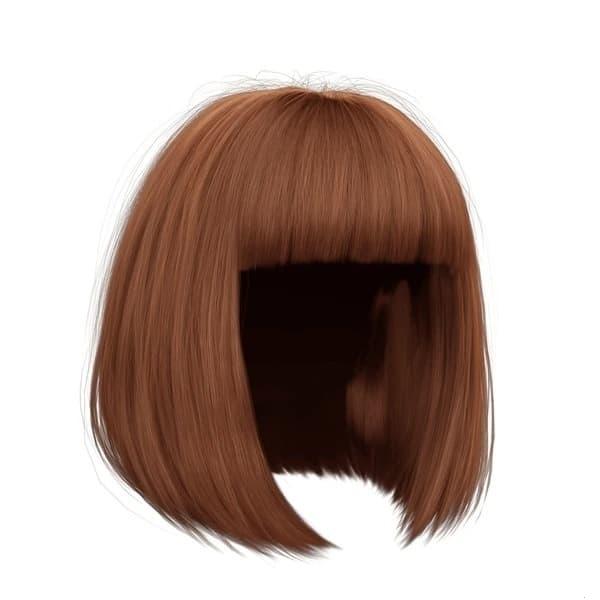
A clean, yet slightly irregular hairline reads as real. For lace front wigs, tint the lace with a light layer of foundation or lace tint to better match your skin. Create tiny baby hairs by clipping small sections at the front and using thinning scissors to soften the edge — never cut straight across. For the part, pluck a few hairs from the parting line with fine tweezers to create depth. Work slowly: small changes are safer and more believable than aggressive plucking.
Natural hair isn’t flat at the root, and neither should your wig. Use a root-lifting spray or volumizing mousse applied sparingly at the roots and then blow-dry with your head upside-down (for heat-friendly wigs or human hair). For synthetic wigs that are heat-safe, use a low heat setting and a paddle brush to shape the root lift. Alternatively, insert small, soft foam inserts near the crown under the cap to add long-lasting lift without damage.
Wigs often carry uniform length which creates a helmet-like look. Introduce subtle layers and point-cut ends with professional shears. If you’re not confident cutting, a stylist can texture the wig; if you do it at home, watch tutorials on point-cutting and thinning. Focus on the mid-lengths and ends to create movement and reduce bulk around the face. Layering helps the wig swing and respond to motion the way natural hair does.
Choose a style that complements your features. For round faces, longer layers and side parts create length. For long faces, chin-length layers or full bangs add horizontal balance. Use how to make a wig look better principles to sculpt the silhouette—trim strategically, add a side sweep, or add volume where needed. You don’t need an entirely new wig; often a few targeted cuts transform the overall effect.
To avoid visible lace, color-match the lace to your skin with foundation or lace tint. Apply a thin layer, let it dry, then place the wig and melt the lace using a bit of heat or alcohol-based glue remover—be cautious and test first. For non-adhesive methods, place a thin layer of concealer along the part to simulate scalp depth. Use a toothbrush and a small amount of styling gel to lay down baby hairs and blend the lace edge into your forehead.
Human hair wigs handle heat the best but still benefit from protection. Apply a heat protectant and use medium-temperature tools. For synthetic heat-friendly wigs, follow temperature limits. To create natural waves, try wrapping small sections around a wand or using flexi-rods and setting spray. Avoid excessive straightening as it reduces body. Always finish with a lightweight shine spray or serum to remove flyaways and add a healthy sheen—less is more.
After styling, ensure the wig remains secure throughout the day. Use wig tape or a thin line of skin-safe adhesive along the perimeter. Try a silicone wig grip for gentler hold. Place pins through wefts into your natural hair rather than directly through the lace to prevent damage. If you sweat or live in humid conditions, choose breathable caps and refresh with a dry shampoo designed for wigs.
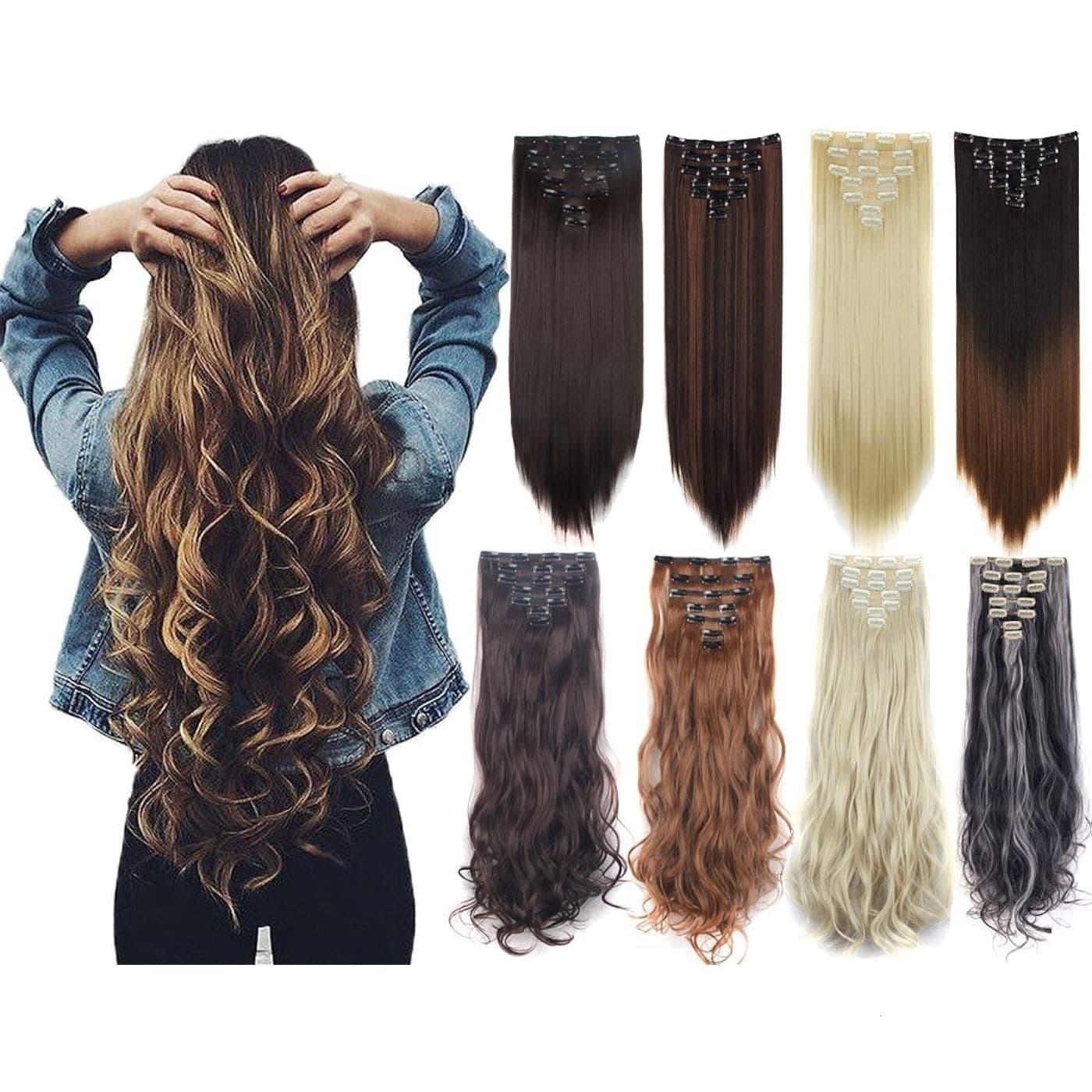
Proper care prevents synthetic fuzziness and human hair split ends. Wash less frequently and with wig-specific shampoo & conditioner. For synthetic wigs, use cold water; for human hair, lukewarm. After washing, let the wig air dry on a stand to preserve shape. Store on a mannequin head or in a silk bag, avoiding sun damage. Use a clarifying rinse occasionally to remove product buildup that flattens the cap and reduces volume.
Pro stylists use subtle techniques that you can replicate: backcomb the roots lightly then smooth the top layer to trap volume, apply a tiny amount of concealer along the part to mimic scalp depth, and seal lace edges with a thin, tinted adhesive to avoid shine. For color blending, add semi-permanent lowlights around the face to create dimension—coloring wigs requires skill, so test on a small area first or seek a pro to avoid irreversible damage.
Match lace tint to your skin undertone (cool, warm, neutral). Use a dab of concealer at the part and blend outwards with a small brush to recreate the illusion of skin. For very dark or very light tones, a two-step approach—tint lace then apply a slight powder—helps avoid over-darkening. If your natural hair is visible at the nape, braid or tuck it neatly into the cap and secure with pins to eliminate bumps. For added authenticity, leave short pieces at the temple to peek out and create depth.
When asking how to make a wig look better, think of the wig as a customizable accessory rather than a fixed product. Small, regular tweaks yield consistent naturalism and comfort.
Choose sulfate-free shampoos for human hair; synthetic wigs benefit from formulas designed to restore fibers. Lightweight mousses and root-lifters are better than heavy creams. Use heat protectants rated for the wattage you plan to use. Keep a travel-size detangling spray and a soft-bristled brush in your bag for midday refreshes.

Visit a wig stylist if you need major reshaping, coloring, or lace re-knots. Professionals can ventilate hairlines, recondition fibers, and customize cap construction for a near-invisible fit. If you wear wigs daily, periodic salon maintenance is worth the investment to prolong the life and appearance of your pieces.
Final summaryMastering how to make a wig look better is about fit, subtle customization, and smart maintenance. Prioritize cap fit and hairline blending, add controlled layering and root volume, use heat and products sparingly and correctly, and routinely care for the fibers. These combined steps create a convincing, comfortable, and long-lasting look. Implement one or two hacks at a time and you’ll notice immediate improvement — then layer additional techniques to refine the result.