If you've ever wondered what's the best density for a wig for a realistic silhouette, you're not alone. Density refers to how much hair is attached to the wig cap and directly affects volume, movement, and the overall aesthetic. Determining the ideal density depends on factors such as face shape, personal style, the type of wig cap, hair texture, and how often you plan to maintain the unit. This guide breaks down practical advice to help you choose the perfect density and achieve a natural look while keeping search-friendly terms like what's the best density for a wig visible and relevant throughout the content.
Wig density is usually expressed in percentages: 80% (light), 100% (standard/light-medium), 130% (medium-natural), 150% (full), 180% (very full) and 200%+ (extra full). These numbers indicate the relative amount of hair used compared to a reference "standard" fullness. Knowing these benchmarks helps you match the wig's volume with your desired result.
Consider three primary factors: your natural hair density, the look you want to achieve, and your lifestyle. For those who love a subtle enhancement and a highly natural appearance, 100% to 130% often mimics natural hair volume. If you prefer glamorous, photograph-ready styles or thick curls, 150% to 180% will provide visible density and body. Celeb-inspired, dramatic styles may call for 200%+ density—great for photo shoots but heavier and harder to manage daily. Ask yourself: do you want a barely-there enhancement or a statement mane?
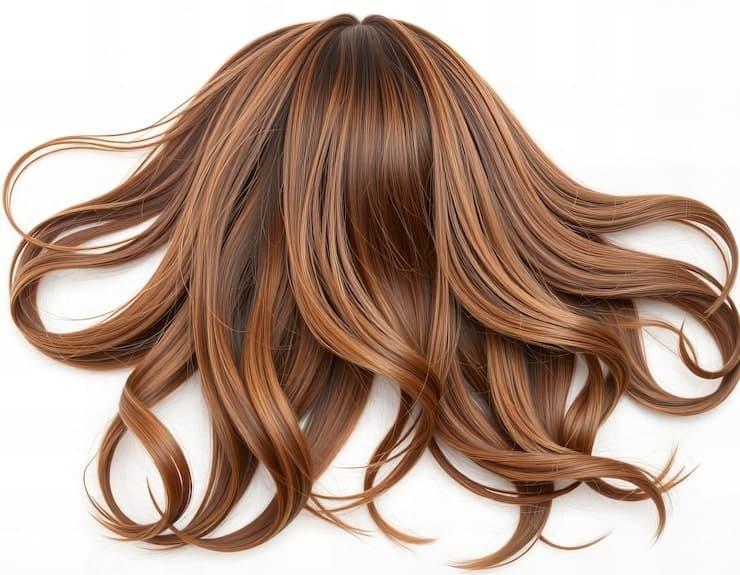 Most densities suit an oval face. 100%–150% offers flexibility.
Different textures appear denser. Curly and coily hair looks fuller at lower density because curls create volume naturally; a 100% curly wig might appear like a straight 150% piece. Conversely, straight hair lies flat and often needs higher density to look full. Cap construction matters too: lace front and monofilament tops show less bulk at the hairline and part, so a slightly lower density can still read as natural. Wefts and full caps can hold more hair, therefore a lower percentage may still feel heavy.
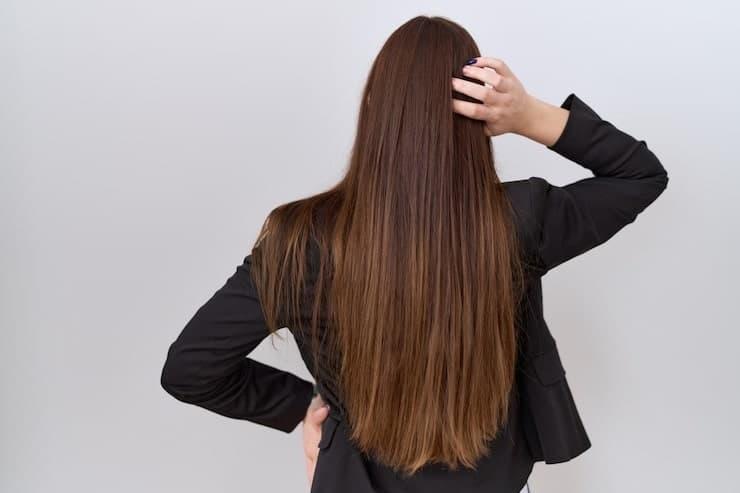 . This is often marketed as "natural" or "standard" density.
When shopping, ask for photos of the same wig in different densities. Compare side-by-side images and consider the parting area, hairline, and crown. If trying on in person, look from multiple angles and under varied light. Photographs can be deceptive: studio lighting often makes hair appear shinier and fuller.
Another trick: pin back small sections and evaluate how much scalp shows through. If a unit looks too "see-through" at the part or crown, you may want a higher density. But remember that too much hair near the hairline can look fake; many stylists recommend thinning the hairline slightly or opting for a lace front to mimic baby hairs and provide a more realistic transition.
Professional stylists can thin dense wigs to reduce bulk and create movement. Conversely, you can add density by injecting hair, sewing additional wefts, or using volumizing toppers and inserts. For a seamless blend with your own hair, choose a density that complements your natural thickness at the perimeter and reduces a stark line of demarcation. For lace front wigs, a moderate density at the front with increased density toward the mid-shaft and ends often reads as most natural.
Higher density wigs require more upkeep. Dense wigs tangle faster—especially in curly textures—and need more product and careful detangling. They also cost more and can stress cap construction. If you prefer low-maintenance daily wear, a 100%–130% density with high-quality fiber will stay manageable and look natural longer.
Density affects price: more hair means higher cost, whether human or synthetic. If budget is a factor, prioritize density where it matters most—mid-length and ends for fullness, and a realistic, lower-density hairline for a natural appearance. Partial upgrades like 150% density at the crown paired with a 100% perimeter can be a cost-effective compromise.
Use clear terms: specify percentages, desired volume words (light, natural, full, ultra), and show reference images. Ask if the wig’s listed density is measured by weight or visual appearance. Mention what's the best density for a wig in your inquiries if you want targeted guidance: experienced vendors will suggest densities based on cap style, hair type, and intended use.
Use layering and texturizing to create perceived volume without adding actual density. Dry shampoos, volumizing powders, and root-lifting sprays help low-density wigs appear fuller without heavy maintenance. Backcombing and loose curls are effective; heat tools can enhance certain fibers if the wig is heat-friendly. For lace front wigs, create baby hairs and soften the hairline to avoid a bulky look even if the overall density is 150% or higher.
Gentle detangling, conditioning masks for human hair, and using a wide-tooth comb for synthetic fibers will extend life. Store wigs on proper stands to maintain shape and reduce matting. For curly dense wigs, detangle from tips to roots and consider protective styling for storage.
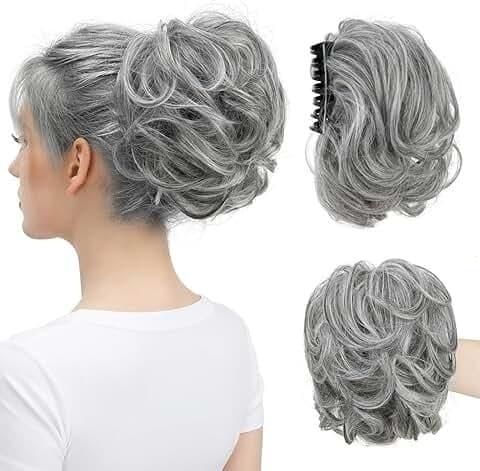
For hair loss, density should mimic nearby hair. Lower densities (80%–130%) often work best to prevent added stress on sensitive scalp areas. Toppers and partial pieces can boost volume without a full-coverage wig; blending density across the top and sides is key.
Events often demand a fuller look. Choose 150%–200% densities if you want dramatic, camera-ready results, but plan for professional styling and maintenance before the event. Consider transportation and weather: high humidity can alter curls and perceived density.
Active wearers typically prefer lighter densities (100%–130%) for breathability and comfort. Secure caps and adjustable straps paired with a lower density reduce slippage and overheating.
If you're asking what's the best density for a wig, the answer is rarely one-size-fits-all. It's about matching the piece to your lifestyle, aesthetic goals, and the practical realities of maintenance and cap construction.
Imagine three example users: a professional who needs a natural daily look chooses 100%–130%; a social influencer seeking glossy, voluminous styles selects 150%–180%; a photographer doing avant-garde shoots opts for 200% or custom densities. These scenarios help translate percentages into real-world expectations.
Can a low-density wig look full? Yes—through curls, layering, and styling. Should I always pick higher density for long hair? Not necessarily; long straight hair at high density can weigh down the cap and look unnatural. Is denser hair always better for heat styling? It depends on the fiber and cap; denser human hair can handle heat better but may need more product.
By thinking through texture, cap style, face shape, maintenance capacity, and intended use, you'll find the sweet spot between comfort and style. Whether you want an undetectable natural look or a red-carpet mane, informed choices about density make all the difference.
Additional Resources: Look for demonstration videos on density comparisons, read vendor density charts, and ask for before-and-after edits to see how a specific density behaves on real heads rather than mannequins.
High-density human hair wigs typically need washing every 7–10 wears depending on product buildup; synthetic can go longer if you avoid heavy oils and sprays. Use gentle sulfate-free shampoos for human hair and mild wig-specific cleansers for synthetics.
You can perform light thinning with thinning shears if experienced, but heavy modifications are best left to a professional to avoid creating uneven spots or damaging lace.
Yes, lower density wigs are lighter and more breathable—100%–130% are commonly recommended for warm climates and active lifestyles.
