If you're exploring quick, versatile, and comfortable hair solutions, a headband wig stands out as a leading option for busy lifestyles, fashion-forward looks, and protective styling routines. This long-form guide explains how a headband wig works, what to consider when choosing one, step-by-step styling techniques, practical care instructions, and pro tips for making the most of your purchase whether you're new to wig wear or a seasoned user. The focus on headband wig throughout ensures you get actionable, search-optimized content that answers the most common questions shoppers and style-seekers have.
Headband wigs combine comfort and convenience. Unlike lace-front wigs or full lace units that require glue or complex application, the headband wig uses an attached fabric band that secures the unit at the hairline. This makes it ideal for those who want a fast change of look without adhesives, and it's excellent for scalp sensitivity, chemo patients, postpartum hair loss, or anyone seeking low-commitment styling. Additional benefits include easy installation, instant natural hairline appearance when styled properly, and compatibility with various head shapes.
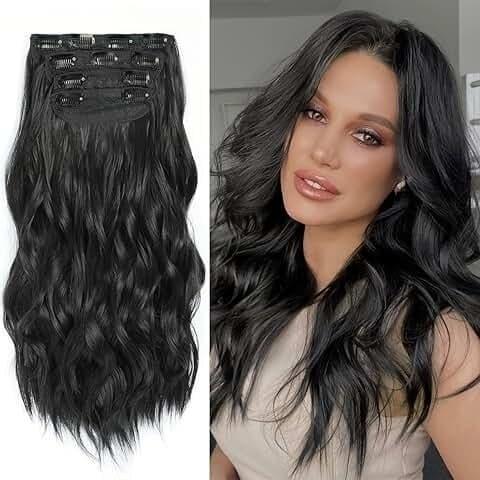
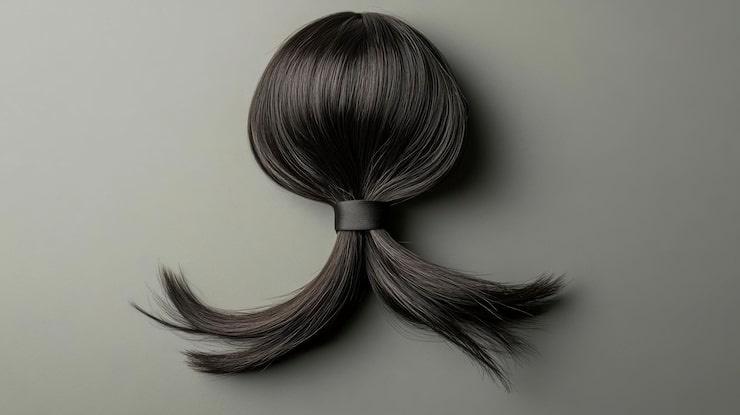
The typical headband wig features a cap with sewn-in hair strands, an elastic or stretchable band sewn along the front edge, and an adjustable strap at the back to fine-tune fit. Some premium units use breathable caps or memory foam edges to improve comfort. If you want a more realistic part, look for headband wigs with a lace or silk base that allows limited parting and a more natural scalp impression when paired with a contouring headband.
Selecting the right headband wig requires attention to material, cap size, band type, and desired look. Consider the following:
Human hair headband wigs offer the most natural movement, heat-styling flexibility, and longevity when maintained properly. They are more expensive but repay the investment through styling options like curling, smoothing, and dyeing. Synthetic headband wigs are budget-friendly, often pre-styled, and require less daily maintenance, but they can't always tolerate high heat and may have a shorter lifespan.
Caps come in small, medium, and large sizes. Many brands provide adjustable straps or elastic panels for a close fit. Wig caps with breathable mesh or lace fronts enhance comfort and a realistic hairline. If you have a sensitive scalp, search for caps lined with satin or silk to reduce friction.
The headband itself can be satin, cotton, velvet, or elastic. Cotton and velvet provide grip and comfort, while satin helps reduce hair breakage under the band. Patterned bands serve a fashion statement; plain neutral colors focus on blending. Some users swap out the factory band for a decorative headband or turban for personalized looks—this interchangeability is a key advantage of the headband wig format.
Preparation ensures the wig sits smoothly and lasts longer. For longer natural hair, braid or twist hair into flat cornrows or a low ponytail to create an even base. For short hair or thin hair, use a wig cap to protect your scalp and secure the wig. You can also gently wrap a silk scarf around the perimeter to protect delicate edges from friction with the band.
Headband wigs are among the most versatile units for trend-driven styling. Try these approaches:
Heat tools are safe to use on human hair headband wigs but should be used with protective products and moderate temperatures. Synthetic headband wigs labeled heat-resistant can tolerate some heat, but always verify manufacturer instructions. To extend longevity, avoid excessive high-heat sessions, and use heat protectant sprays before styling.
Proper care preserves the look and durability of a headband wig. For human hair units, wash every 7-14 wears depending on product buildup and environmental exposure. Use sulfate-free shampoos and a moisturizing conditioner. For synthetic wigs, use specially formulated wig shampoo and cold water washes to maintain shape. Gently detangle with a wide-tooth comb or wig brush starting from ends to roots.
Store your headband wig on a wig stand or mannequin head to keep shape and prevent tangling or deformation. For travel, fold the cap gently and place the wig in a breathable bag or original packaging. Consider carrying a small styling kit with a compact brush, edge control, and spare headbands for quick touch-ups on the go.
One of the best aspects of a headband wig is ease of personalization. Swap out factory bands for decorative options—pearls, beaded headbands, turbans, or patterned fabric—to instantly transform the look. You can also trim and shape the wig to suit your face, create layers, or add bangs for a signature silhouette. If you want a more seamless hairline, have a stylist slightly pluck the front or add baby hair for realism.
When shopping for a headband wig online or in-store, examine product descriptions closely. Look for clear details on hair type (human or synthetic), cap size, band material, return policy, and whether the hair has been pre-styled or processed. High-quality photos, model videos, and customer reviews help gauge real-world performance. Search tags like remy, virgin, heat-resistant, and accurate length/color charts are useful signals of reputable listings.
Price ranges vary: synthetic headband wigs are the most economical, mid-range synthetic blends offer an improved sheen and texture, and full human hair units represent the high-end market. Consider total value: longevity, styling flexibility, and brand reputation matter more than the lowest price. A higher-quality headband wig often saves money long-term due to wear life and styling versatility.
If you experience slipping, check the band material—velvet or silicone-lined bands hold better. For odors, a mild vinegar rinse followed by a gentle shampoo can help neutralize residual smells—always follow with conditioner. If tangling occurs at the nape, store the unit brushed and consider a light anti-frizz product designed for wigs.
Stylists recommend investing in a quality headband and swapping it seasonally to match clothing and events. A sewn-in light lace edge can be gently blended with a tiny dab of concealer for a near-invisible hairline.
Experienced stylists also advise patch-testing adhesives if you pair a headband wig with additional glue for extreme activities, and always protect natural edges with silk barriers during sleep or prolonged wear.
More brands now offer ethically sourced human hair and recyclable packaging. If sustainability matters to you, look for manufacturers that disclose sourcing practices and offer repair or recycle programs for worn units. Synthetic alternatives made from recycled fibers are also emerging on the market.
Match colors to your skin tone and wardrobe for cohesive looks, or pick bold shades for statement styles. Curly or textured headband wigs provide volume and bounce with minimal styling, while straight units can be texturized with light layering. When choosing length, remember longer wigs require more maintenance and may be heavier on the head.
Casual: A medium-length synthetic headband wig with a patterned band makes for an easy weekday look that requires little styling. Professional: A polished human hair unit with a neutral satin band and a sleek low bun creates a refined office-appropriate appearance. Special event: Swap the standard band for an embellished accessory, add styled waves, and finish with shine serum for photos and gatherings.
Light daily care: gentle brushing and spot cleaning as needed.
Weekly: check for tangles, refresh headband and clean edges.
Every 7-14 wears: full wash for human hair units (or as recommended for synthetics).
Seasonal: deep conditioning treatments and cap inspections for wear and tear.
Recommended items include a satin-lined headband for comfort, wig stand, wide-tooth comb, wig-safe shampoo and conditioner, heat-protectant spray for human hair, and storage bag for travel. A small sewing kit can help with quick repairs like tightening a loose band or re-stitching an edge.
For medical hair loss, prioritize soft fabrics, full coverage caps, and hypoallergenic materials. Consult with medical professionals and wig specialists who work with patients to ensure breathable caps and minimal tension on the scalp. Many providers offer specialized units designed for maximum comfort during recovery.
Swap the headband for a vintage scarf, add removable clips for better hold, or sew elastic strips to balance weight distribution. If you prefer a more seamless look, cut the band slightly and fold it inward, then secure with needle and thread so the fabric sits thinner against the skin.
Compared to lace-front wigs, the headband wig trades extensive hairline customization for speed and comfort. Compared to clip-in extensions, headband wigs provide full coverage and instant change of overall length and volume. Each type has situational advantages; the headband wig occupies a unique niche for convenience-focused users.
Invest in quality, prepare your natural hair for a flat base, and experiment with headband swaps to expand your looks without buying new units. With proper care, a good headband wig becomes a reliable staple in a modern beauty routine—offering flexibility, comfort, and creative freedom whether for daily wear or special occasions.
A: Yes, many people wear headband wigs daily. To maintain longevity, follow a care routine and alternate styles to reduce friction and product buildup. Use a satin cap at night if needed.
A: Most headband wigs are not designed for swimming; water can alter the cap fit and fiber quality. For high-activity situations, secure the wig with non-permanent grips and consider a snug velvet band to minimize slipping.
A: Blend edges by creating subtle baby hairs, using a neutral-toned concealer along the hairline if necessary, and choosing a thin headband or trimming excess fabric for less bulk.
