Keeping a wig looking fresh, shiny and natural takes more than occasional rinses. Whether you wear a synthetic wig or a human-hair piece, knowing how wash wig correctly will protect the fibers, extend wear time, and maintain the style you love. This in-depth guide explains step-by-step methods, pro tips, product choices, and common mistakes to avoid so you can confidently care for your wigs at home.
Many people underestimate how delicate a wig's construction is — caps, lace fronts, glued wefts, and hand-tied knots all require gentle handling. Understanding how wash wig properly prevents tangling, matting, premature shedding, and color fade. Using the right techniques preserves both appearance and structural integrity, which is cost-effective and keeps your investment in top shape.
Before you ask how wash wig, know your wig type: synthetic, heat-friendly synthetic, or human hair. Each has different tolerances for water temperature, products, and styling tools.
Gather these items before you begin: a wide-tooth comb, wig stand or mannequin head, sulfate-free shampoo, conditioner or deep treatment (formulated for either synthetic or human hair), microfiber towel or cotton T-shirt, cool-to-lukewarm water, basin, optional leave-in detangler, and clips for sectioning. Having the right tools simplifies the process and reduces stress on the fibers.
Start by gently brushing from ends to roots using a wide-tooth comb or wig brush. For lace-front wigs, hold the cap at the nape while working through tangles to avoid stressing the lace. Detangling dry fibers first reduces breakage and prevents knots from tightening during washing.
Use cool to lukewarm water: hot water can loosen wefts, shrink caps, and melt synthetic fibers. For human-hair wigs, slightly warmer water is okay but still avoid anything hot to protect adhesives and cap materials.
Fill a basin with water and add a small amount of sulfate-free shampoo. For the best results, dilute the shampoo so it doesn’t strip natural oils or synthetic finishes. Submerge the wig and let it soak for 3-5 minutes, then gently swish — avoid rubbing, twisting or wringing. Focus on the underside and hairline where oils and buildup collect. This approach answers the core SEO question of how wash wig properly by emphasizing soaking and gentle motion.
Rinse under flowing cool water until water runs clear. If heavy styling products were used, a second gentle shampoo may be necessary. Always follow with a conditioner suitable for your wig type.
Apply conditioner from mid-length to ends; avoid the cap or roots to prevent slippage and build-up. For human-hair wigs, leave the conditioner on 2-5 minutes, detangle gently with fingers, then rinse thoroughly. For synthetics, use a synthetic-specific conditioner or a fabric softener diluted recipe recommended by the manufacturer, applied sparingly.
Pat the wig with a microfiber towel or cotton T-shirt to remove excess water. Never wring. Place the wig on a stand to air-dry away from direct sunlight and heat sources. If you need to speed the process, use a cool-air setting on a blow dryer for human-hair wigs only — synthetic fibers may melt under heat.
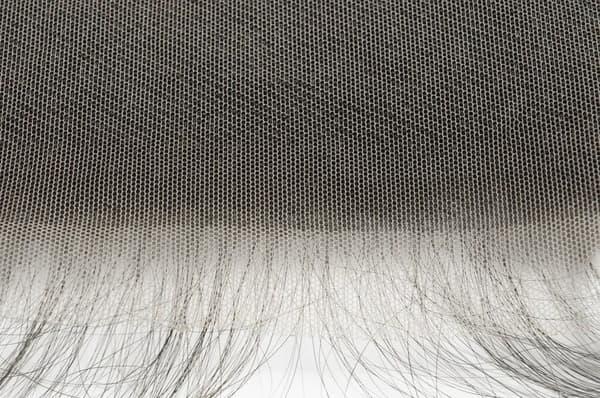
When learning how wash wig for lace-front or glue-attached options, take extra caution around lace and adhesive areas. Use a gentle brush and avoid placing conditioner on the lace. Remove adhesive residue with a recommended adhesive remover before washing if possible, and reapply fresh tape or glue only when the base is completely dry.

Every few wears, perform a deep cleanse: use clarifying shampoo for human-hair wigs, or a vendor-approved deep-clean solution for synthetic. Follow with a rich mask or oil-free protein treatment to restore bonds and shine, answering frequent queries about how to refresh wigs that feel dull.
If you need a fast refresh, spritz a premixed leave-in detangler and water solution, comb gently, and air dry on a stand. This is not a substitute for full washing but helps maintain style between washes.
Only style after the wig is nearly or fully dry. Use a wide-tooth comb or specialized wig brush and style with low heat for human hair. For synthetic or heat-friendly fibers, check the manufacturer's max temperature. When using styling products, choose lightweight, non-greasy formulas to avoid buildup that complicates future washes.
To restore shine, finish with a small amount of silicone-based serum for human-hair pieces, or a synthetic-safe shine spray for artificial fibers. Always test products on a small hidden section first to ensure compatibility and avoid discoloration.
Proper storage prevents tangles and misshaping. Place wigs on a stand or fill the crown with soft tissue and store in breathable bags. Avoid plastic for long-term storage as it traps moisture. Regular light brushing and occasional misting with a leave-in conditioning spray maintain pliability and extend the time between full washes.
Frequency depends on wear: daily users may wash every 7-14 days; occasional wearers can wash every 3-6 weeks. Always base your schedule on visible buildup, odor, or stiffness rather than calendar days alone. This practical advice directly supports readers seeking guidance on how wash wig responsibly for longevity.
Matting or tangling at the nape: Apply a detangling spray, work with your fingers, then comb from ends up. For severe mats, consider professional steam or rewefting service.
Dull, lackluster hair: Use a clarifying wash followed by a nourishing mask for human hair; for synthetics, a specialized conditioning rinse and silicone-based shine spray can revive the finish.
Loose knots or shedding: Avoid rough handling; consult a wig technician if shedding increases after a wash as it could indicate cap or weft damage.
Invest in shampoos and conditioners labeled for either synthetic or human hair. Avoid products with high alcohol content, strong sulfates, or heavy oils that attract dirt. For lace-front care, use non-oily adhesive removers and alcohol-free cleansers to protect the delicate lace edge.
If you prefer natural solutions, use a mild baby shampoo diluted for washing and a diluted apple-cider-vinegar rinse (human-hair only) to close the cuticle and boost shine. For synthetic wigs, avoid vinegar and opt for a gentle commercial conditioner designed for man-made fibers.
While you can master most washing and conditioning steps at home, professional services are helpful for re-coloring, reshaping, reconditioning severely damaged hair, or repairing lace and wefts. Budget for an annual professional check if your wig is a major part of your style or livelihood.
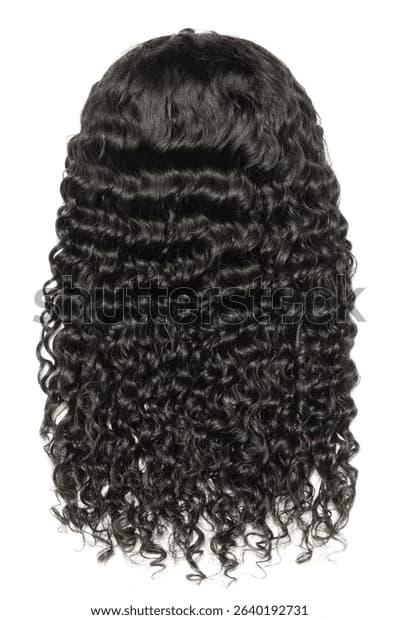
1) Rotate wigs to reduce daily wear. 2) Use silk or satin pillowcases under wigs or wig caps to reduce friction. 3) Keep styling product use light and targeted to the roots only when possible. 4) Store on form stands to maintain shape. 5) Always detangle before washing to minimize stress on the fibers and knots.
Small wear like thinning ends or a loosening weft can often be repaired; heavy shedding, persistent matting, or permanent color loss usually signals time for replacement. Regular, proper washing extends usable life and delays replacement.
Key takeaway: Mastering how wash wig is about gentle technique, correct products, and consistent maintenance — not frequent harsh cleansing. A well-cared-for wig retains natural movement, shine and vibrancy far longer.
If you're new to wig care, practice with an inexpensive piece to build confidence. Record the products and steps you used so you can repeat the routine that works best for your specific wig type.
A1: For daily wear, aim to wash every 7-14 days depending on sweat, product buildup, and odor. Light refreshes like misting and detangling between washes will extend the period.
A2: Use sulfate-free formulas for human-hair wigs and vendor-recommended or synthetic-specific products for man-made fibers. Regular shampoos with strong sulfates can strip and dry both natural and synthetic fibers.
A3: Never machine-dry a wig. High heat damages both synthetic and human-hair caps and fibers. Air-dry on a stand or use cool airflow only.
By following the comprehensive steps above and incorporating the nuances for different wig materials, you will confidently manage how wash wig tasks at home while protecting investment, maintaining shine, and ensuring long-lasting, natural-looking results. Regular care, the right products, and mindful storage are the pillars of excellent wig maintenance — and now you have a complete roadmap to follow.
