If you've searched for how to put on lace front wig in the past, you know there's a handful of reliable techniques that transform a wig from obvious to indistinguishable. This guide walks through a clear, step-by-step approach tailored for novices and includes adhesive tips that help achieve a seamless, natural hairline.
Understanding how to put on lace front wig properly is about more than placement: it's about preparation, adhesive selection, lace handling, and blending for a natural look. A few small mistakes — uneven glue, an untrimmed lace, or poor hairline alignment — can be very visible, so this guide focuses on repeatable steps and practical pointers for consistent results.
Start with clean, dry hair. If your hair is long, braid it into flat cornrows or wrap it smoothly. Secure with bobby pins and keep the surface smooth to eliminate bumps under the lace. Wearing a breathable wig cap that matches your skin tone gives the most natural base and protects your hair.
Using an alcohol wipe or oil-free cleanser, remove oils and residue around your hairline where the adhesive will make contact. This step is essential for adhesion longevity. If you have sensitive skin, patch-test a small area with the chosen adhesive before full application.
Place the wig on your head and align the front lace with your natural hairline. Look carefully in a mirror, adjusting the ear tabs and ensuring symmetry. Avoid pulling the wig too far forward or too far back — the wrong alignment is hard to correct once adhesive sets. At this stage, you should already be thinking about where to trim the lace.
Turn the wig off and use small, sharp scissors to cut excess lace. Cut in small snips and follow the curve of a natural hairline instead of a straight line; this prevents a blunt, artificial edge. Leave a tiny margin (just enough for glue to adhere) and never cut too close to the hair knots to avoid shedding.
Reposition the wig and, using a makeup pencil or a washable marker, mark the area where the lace will contact the skin. This helps you apply adhesive only where needed and avoids excess glue that can be seen through the lace.
There are three main categories: lace tape, liquid adhesive (glue), and water-based gel adhesives. For beginners, lace tape offers control and is relatively mess-free. Liquid adhesives provide the strongest hold for active lifestyles but require practice for a clean application. Water-based gel adhesives are skin-friendly and easier to remove. No matter which you choose, read the product instructions and perform a patch test if you have sensitive skin.
With the adhesive tacky, carefully lay the lace hairline over the adhesive. Starting from the center, press the lace gently but firmly into the adhesive; then move to the sides. Use a fine-tooth comb or an edge brush to press the lace down into place, ensuring no gaps or bubbles remain. Keep tension even to avoid distortion.
After setting the lace, secure it by applying a light pressure with a satin scarf or wrap for 5–10 minutes. Use a blow dryer on cool to speed curing if required by the adhesive instructions. Avoid heat unless the product allows it. Ensure the lace edge is fully adhered before styling the frontal hair.
To make the hairline look natural, use a small amount of concealer or foundation that matches your scalp and apply it under the parting or along the hairline on the lace. Dust a bit of translucent powder to set the product and reduce shine. If baby hairs exist on the wig or your natural edges, style them softly with edge gel or a tiny brush to mimic real growth.
Once the lace is secure, style the wig as desired: curling, flat-ironing (if the wig is heat-resistant), or trimming for layers. If you need to pluck the hairline for a softer look, do so sparingly and use a magnifying mirror for precision. Over-plucking can cause unnatural gaps.
Adhesive technique is key to realism. Here are several tried-and-tested tips:
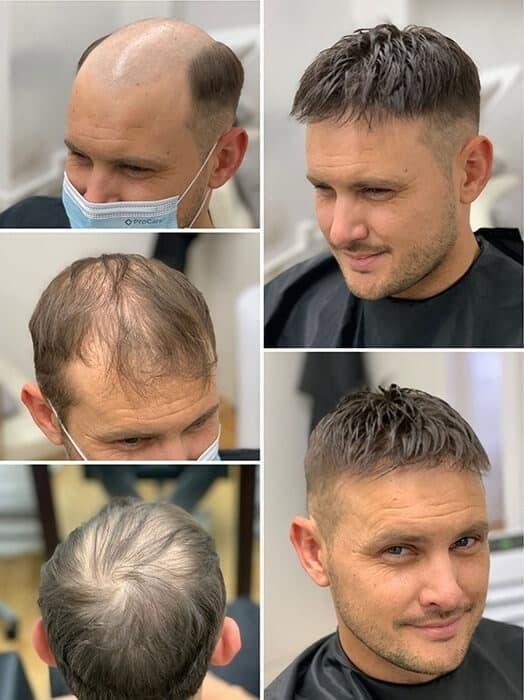
Here are pitfalls that beginners frequently encounter and how to avoid them:
To extend the life of both the lace and the adhesive bond, follow these practices: wash the wig gently using sulfate-free shampoos, avoid sleeping with wet adhesive, and keep adhesives and removers away from eyes. When it's time to remove the wig, apply an adhesive remover along the hairline, allow it to penetrate, and remove the lace slowly to avoid pulling hair out. Clean residual glue from the lace with a gentle solvent designed for wig use, and never tug to avoid lace tears.
 Clean the area, apply a thin adhesive bead, and press firmly while it cures.
Always prioritize skin safety. If you notice itching, redness, or discomfort, remove the lace and consult a dermatologist if symptoms persist. Rotate wear days and give your scalp time to breathe between extended adhesive wear sessions.
Pro tip: Practice makes perfect. The more often you install and remove your lace front, the more confident you'll get about fit, trimming, and adhesive control.
Mastering how to put on lace front wig hinges on preparation and patience. Whether you're learning to use tape for convenience or liquid glue for longevity, the same principles apply: clean skin, correct placement, precise trimming, and subtle blending techniques. With consistent practice, your installations will become faster and more natural-looking.
Quality lace and adhesives vary in price. While budget options can work, investing in mid-range lace and reputable adhesives reduces the risk of premature lifting, skin irritation, and damage. Read reviews, look for water-resistant properties if needed, and consider specialized removers to protect your lace and scalp.

To maximize wear time: avoid excessive oils near the hairline, reapply small adhesive strips if lifting appears, and sleep on a satin pillowcase or wear a satin bonnet to minimize friction.
In summary, learning how to put on lace front wig is an achievable skill when approached methodically. Start slow, follow the adhesive guidelines, and gradually experiment with plucking and parting for a personalized finish. Remember: the most natural results come from small, controlled changes rather than drastic alterations.
A: Most liquid adhesives take 30–60 seconds to become tacky; gel adhesives often dry faster. Always follow manufacturer instructions and test a small strip before full application.
A: Water-resistant adhesives can handle light moisture, but prolonged swimming, especially in salt or chlorinated water, will weaken the bond. For swimming events, consider a more secure adhesive, and always dry and reapply as needed afterward.
A: Aim to remove the wig at least once every 1–2 weeks if wearing adhesive for extended periods. This allows the scalp to breathe, reduces buildup, and prevents irritation.
