A common question people search when preparing identification documents is framed around are you allowed to wear wig for state id, and the short, practical answer is: usually yes, as long as the wig does not obscure your face or violate specific agency rules. This detailed guide explains what most state motor vehicle agencies expect, how to prepare a wig for a photo session, what documentation or exceptions might apply, and how to avoid a rejected application or retake. The aim is to give clear, actionable advice while emphasizing that specific requirements vary by state, territory, and the type of ID (driver's license, nondriver ID, or REAL ID).
Most photo ID centers are focused on identity verification rather than style: they need to capture a clear, unobstructed image of your facial features so that staff and automated systems can match your face to you. That means the core rules are consistent across many agencies:
When people ask are you allowed to wear wig for state id, they are usually concerned about whether wearing a wig will cause their photo to be rejected. In practical terms, wearing a wig—whether for fashion, medical necessity, or cultural reasons—is permitted in most states provided the wig does not change or hide crucial facial landmarks. If your wig covers your hairline, eyebrows, forehead, or ears in a way that obscures identification, staff may ask you to adjust or temporarily remove it for the photograph.
Religious head coverings and medical wigs often receive clear allowances. Most state agencies have language that says head coverings are allowed for religious observance or medical reasons, but the face must be uncovered. If your wig is worn as part of a religious practice or due to medical hair loss, you should be aware of two practical tips: first, be prepared to explain the reason politely if asked; second, carrying supporting documentation (a doctor's note or a brief religious statement) can smooth the process in rare cases where a supervisor is needed.
Keeping a printed or digital image of how you usually wear the wig can help staff confirm the likeness, especially if your natural hair differs significantly from the wig.
When you arrive, the clerk will usually ask you to remove sunglasses and hats. If your wig leaves your face unobstructed, you will often simply be asked to sit for the photo. If staff feel the wig could obscure identification markers, they may politely request a temporary adjustment. Use a calm, cooperative tone and explain if the wig is worn for religious or medical reasons. If a supervisor is required, that process can take a few minutes but is typically resolved quickly.
If you are specifically searching for are you allowed to wear wig for state id guidance online, prioritize official state DMV or Department of Motor Vehicles pages. Those pages contain the most reliable, up-to-date instructions and frequently include sample photos showing acceptable and unacceptable headwear and wig styles.
For children, parents should ensure the wig does not make the child uncomfortable; a natural, comfortable style is best so the child appears as they normally look. For older adults whose appearance changes over time, it's often better to take the photo reflecting the most common present look to minimize future mismatches. If you are applying for an ID after a legal name change or a gender transition, bring all supporting documents; photos need to reasonably represent your current appearance.
Note that passport rules are standardized at the federal level and can be stricter. For passports: nothing should obscure the face, and head coverings are allowed only for religious purposes and require the full face to be visible with no shadows. For state IDs, each state sets policy, so while many mirror passport principles, variations exist. If your travel plans include international trips, you may prefer passport-style neutral appearance to avoid complications.
The SEO-oriented search phrase are you allowed to wear wig for state id often brings up both DMV guidance and travel forum comments; use the official sample images on government sites as the authoritative standard rather than anecdotal posts.
One useful trick is to take a test photo at home using a neutral background and use your phone camera to check whether the wig casts shadows or hides facial landmarks. If the at-home photo shows your full face clearly, the DMV photo should too.
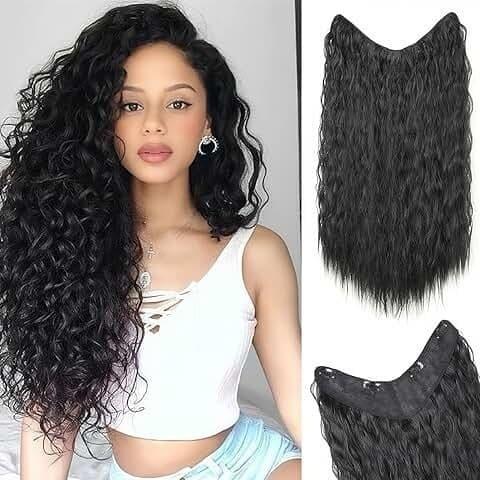
There are a few circumstances where wearing a wig will require more attention: if the wig transforms your appearance dramatically compared to other ID documents, if it hides the hairline and ears completely in a way that prevents matching, or if the photo office has localized policies about face visibility. In these cases staff might ask you to remove the wig briefly so they can take a second photo showing your bare hairline. If this request makes you uncomfortable for religious or medical reasons, explain the reason and provide supporting paperwork. The majority of offices will accommodate and find an acceptable compromise.
Try a short, polite script: "I wear a wig for [religious/medical/style] reasons. I understand you need a clear photo for ID. Would you like me to adjust it slightly for the picture?" This kind of collaborative phrasing tends to avoid unnecessary conflict and keeps the process smooth.
For most routine wig wearers, documentation is unnecessary. However, if you anticipate resistance or you have a medical condition that makes wig removal impossible, consider bringing:
Remember that staff balance two goals: respecting your personal circumstances and ensuring the image will match you reliably. Good documentation can help reconcile those goals.
If your photo is rejected because of the wig, request a clear explanation and ask what adjustment would make the photo acceptable. Common solutions include pinning back bangs, shifting the wig slightly to reveal the hairline, or taking a second photo with a different wig or hair style that still reflects your typical appearance. If you believe a rejection violated a religious accommodation, ask politely to speak to a supervisor and, if needed, follow up through the agency's official complaint or appeal channels. Keep records of names, dates, and any correspondence.
Because policies differ, a refusal in one office does not necessarily reflect statewide policy; escalate through formal channels if necessary.
Practical styling can make a big difference. Choose a wig that sits naturally on the crown, avoid extreme volume at the sides or top because it can cast unusual shadows, and trim any heavy bangs. If your wig uses a lace front, ensure the lace is blended smoothly so there isn't an obvious line that confuses automated systems. Use matte products to reduce shine, and if your wig has adjustable straps, set them to replicate your typical hairline position.
When searching for answers about are you allowed to wear wig for state id, prioritize photos that demonstrate acceptable variations: small head coverings, scarves, and wigs that show the face clearly are usually fine.
Because official language varies, here are the types of state-level instructions you may encounter:
If you need absolute certainty, call your local office or check the agency's official website before your appointment. This is the fastest way to settle questions about are you allowed to wear wig for state id for your jurisdiction.
When undergoing a legal name or gender change, many applicants want their photo to match their gender presentation. Wearing a wig that aligns with your current presentation is widely accepted, but ensure the appearance is consistent across your documents and that you bring supporting legal documentation for the change. Agencies focus on identity consistency, so present-day likeness is the priority.
To summarize: yes, you can generally wear a wig for a state ID, and to reduce the chance of problems follow these practical steps:

If you repeat the query are you allowed to wear wig for state id on search engines, prioritize authoritative DMV or state pages and sample images; those will give the definitive word for your situation rather than anecdotal forum posts.
Before the appointment: clean wig, natural positioning, no heavy bangs; At the appointment: explain briefly if needed, follow staff guidance; If refused: ask for supervisor, present documentation, escalate if necessary.
Wig wearers should approach the process with preparation and polite communication; most issues are easily resolved when both parties focus on creating a clear, verifiable image for the ID.
If you encounter repeated refusals, especially in cases involving religious freedom or medical necessity, consider contacting a legal aid organization, a local civil rights group, or the state agency's customer service to request clarification and remedies. Document every interaction and keep copies of supporting letters or prior IDs that show you wearing the wig; these can be persuasive evidence of consistent identity.
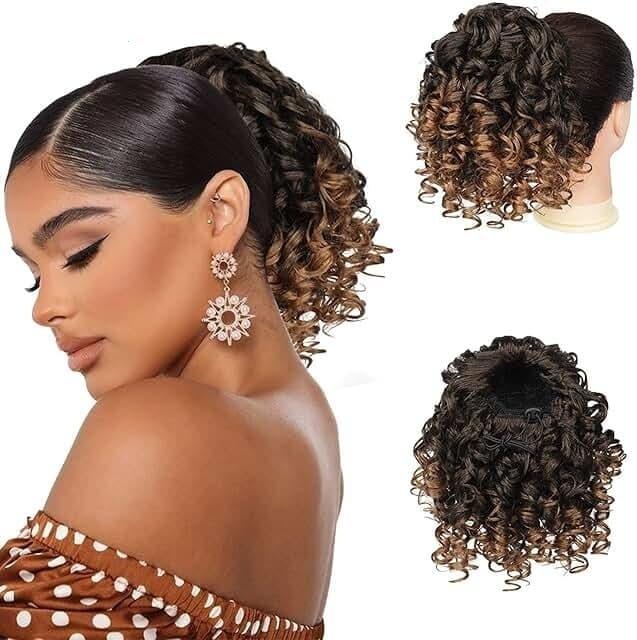
While the exact phrasing of policies varies, the practical rule is consistent: the photo must clearly show your facial features for identification purposes. By preparing your wig to reveal the face, bringing support documentation when needed, and communicating politely with staff, you can usually secure a compliant state ID without compromising your appearance or religious and medical needs. The next time you search are you allowed to wear wig for state id, use official state resources as your primary reference and apply the photo-prep tips listed here.
If you want the most reliable answer for your situation, call or visit your state's DMV website before your appointment and show them how you typically wear your wig so their guidance matches your practical needs.
