
can you straighten wigs — practical, safe methods for at-home smoothing
If you've ever asked yourself "can you straighten wigs at home?" the short answer is yes — but the longer, useful answer depends on what kind of wig you own, the tools you use, and the technique you follow. This comprehensive guide breaks down safe, step-by-step strategies to straighten and smooth both human hair and synthetic hairpieces while minimizing damage and maximizing longevity. Whether you want a sleek look for a night out or a daily style update, these instructions will help you achieve professional-looking results at home.
Overview: why type and care matter
Not all hair fibers behave the same. Human hair wigs respond to heat similarly to natural hair and are generally more tolerant of thermal styling. Synthetic wigs, however, are made from heat-sensitive fibers unless labeled as heat-resistant. Before attempting to smooth or flat-iron any wig, you should check the manufacturer's label and perform a small patch test on an inner weft to confirm heat tolerance. Understanding the fiber will inform your tool choices, temperature settings, and protective steps.
Essential tools and supplies
- Adjustable flat iron with temperature control (preferably ceramic or titanium plates).
- Blow dryer with a concentrator nozzle and low-heat settings.
- Heat protectant spray formulated for wigs or hair.
- Wide-tooth comb, paddle brush, and detangling brush.
- Styling clips to section the wig.
- Mannequin head or wig stand to secure the piece during styling.
- Silk or satin scarf for resting and setting the shape after styling.
- Fine mist spray bottle with water (for human hair) or specialized wig conditioning spray for synthetic fibers.
Pre-straightening checklist
Before using any heat, make sure the wig is clean and detangled. Washing and deep-conditioning human hair wigs periodically will improve results, but synthetic wigs often require less frequent washing. Always allow human hair wigs to dry fully before applying direct heat. If the wig is labeled heat-resistant synthetic, you can use low heat but still follow a cautious protocol. Secure the wig on a stand, pin down lace fronts if present, and apply a light, even mist of heat protectant designed for the wig type.
Step-by-step: straightening human hair wigs
- Preparation: Wash the wig with a gentle sulfate-free shampoo and a moisturizing conditioner. Towel-blot gently and let the wig air-dry on a mannequin head until 90-100% dry; alternatively, use a blow dryer on a low heat setting with a diffuser or concentrator to finish drying while smoothing with a paddle brush.
- Detangle and section: Use a wide-tooth comb to remove knots. Section the wig into thin layers (about 1/2 inch to 1 inch) and secure with clips. Smaller sections lead to smoother, faster results and less repeated heat exposure.
- Apply protectant: Spray a light, even coat of thermal protectant on each section. Avoid oversaturation which can leave residue.
- Choose temperature: For human hair wigs, set the iron to a medium heat — generally 300°F–350°F (150°C–175°C) for processed or fragile hair, and up to 400°F (205°C) for thick, unprocessed virgin hair. When in doubt, start lower and increase gradually.
- Straighten with technique: Glide the flat iron steadily from root to tip, using slow, even motions. One or two passes per section is usually enough if the hair is prepped properly. Keep the iron moving to avoid hotspots.
- Finish and set: Lightly mist with a shine serum or light hairspray formulated for wigs, then let cool on the mannequin to set the shape. Wrap with a silk scarf for 10-15 minutes if you want extra smoothness.
Step-by-step: straightening synthetic wigs (heat-resistant)
Many modern synthetics are labeled "heat-friendly" or "heat-resistant." Even so, respect lower temperatures and test first.
- Check the label: Confirm the maximum safe temperature. Most heat-friendly synthetics tolerate up to 250°F–300°F (120°C–150°C).
- Detangle gently: Synthetic fibers snag more easily; use a wide-tooth comb and a silicone-based detangler spray if needed.
- Protect and test: Use a spray specifically formulated for synthetics or a very light mist of water. Perform a 1-inch test on an inner section.
- Use lower heat or steam: Set the flat iron or styling tool to the recommended maximum; often a single pass at a low setting is best. Consider a steam iron or professional steamer on a low setting as an alternative, which can relax fibers without direct plate contact.
- Cool and style: Allow the section to cool fully before manipulating. Synthetic fibers can reset quickly, so avoid overworking the piece.
Alternative methods (no flat iron) for sensitive wigs
Not every wig needs a flat iron. If you're unsure about heating, try non-thermal methods:
- Steam smoothing: Use a garment steamer at a safe distance to gently relax waves. Move the steamer steadily and hold the fabric of the wig taut with your free hand to smooth each section.
- Wrap and press: For natural human hair, use the wrapping technique with gel and a satin scarf to set a straight pattern overnight.
- Blow-dry with tension: Use a round brush or paddle brush while blow-drying on low-medium heat and a concentrator nozzle to create a straight finish without high direct heat.
Maintenance tips to extend straightened looks
Whether human or synthetic, maintain your straightened style by minimizing daily heat, using wig-friendly products, and storing the piece correctly. Store on a wig stand or mannequin to preserve shape, and use a light moisturizing spray on human hair to prevent dryness. For synthetic wigs, avoid oily serums that can weigh fibers down; use silicone-free products made for synthetics.
Troubleshooting common issues
Frizz after straightening: Often caused by insufficient moisture balance or humidity. For human hair, apply a small amount of anti-frizz serum and use a humidity-resistant hairspray. For synthetic, lightly steam and smooth, or rewrap and reset.
Heat damage and melting: If you see shiny, hard strands or sticky melted fibers, stop applying heat immediately. Synthetic fibers are more likely to melt; if damaged, consider targeted trimming or professional restoration. Human hair can sometimes be rehabilitated with deep conditioning and protein treatments.
Loss of density or shedding: Excessive combing under heat, rough laundering, or aggressive styling can loosen wefts. Treat the base gently, detangle from ends upward, and avoid over-brushing while wet.
Professional care vs. DIY: when to seek help

For high-value wigs, lace fronts, or complex color treatments, a pro is worth the investment. Professionals have controlled equipment, steam stations, and experience to avoid mistakes. If you're experimenting for the first time, consult your wig seller or watch manufacturer tutorials and always do a heat test first.
Quick safety checklist
- Always check fiber type and heat tolerance.
- Start at a low temperature and increase gradually.
- Use thermal protectants intended for the wig's fiber.
- Straighten thin, small sections rather than large chunks.
- Limit passes with the iron to reduce cumulative heat exposure.
- Allow cooling before touching or styling further.
SEO tip: repeat your primary phrase naturally — for example, include variations like straighten wigs, heat-styling wigs, and the exact can you straighten wigs query within headings and emphasized text to help search engines understand the content focus without appearing spammy.
Recommended daily routine for straightened wigs
- When wearing a wig, avoid sleeping in it unless wrapped in satin to reduce friction.
- Use a dry shampoo or wig-safe refresh spray between washes.
- Brush gently from ends to roots, and always use wig-specific brushes.
- Schedule deep conditioning for human hair wigs monthly or as needed; condition synthetic wigs according to manufacturer's guidance.
Eco-friendly and low-heat strategies

Conscious stylists and wearers minimize thermal styling. Choose lower-temperature tools with ceramic plates, use water-based smoothing serums, and refresh styles with steam or wrapping techniques to reduce repeated high-heat exposure. This not only preserves your wig but also lowers energy use and extends the life of the piece.
Final summary
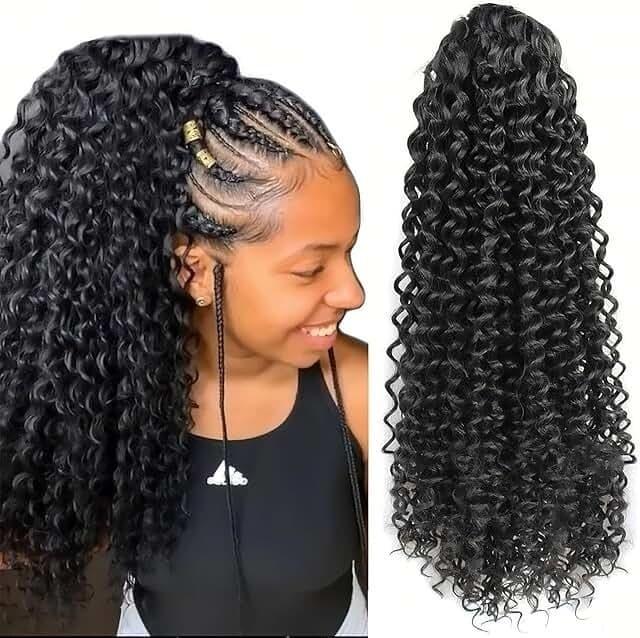
In conclusion, can you straighten wigs at home? Yes, when you choose the right method for your wig fiber, use appropriate tools and protective products, and follow deliberate, section-by-section techniques. Human hair wigs are generally more forgiving of heat but still benefit from proper care. Heat-resistant synthetic wigs can be straightened with care, but standard synthetics should avoid direct heat. Above all, testing, patience, and protective products are your best defenses against damage.
FAQs
Q1: How hot can I set my iron on a human hair wig?
A: For most processed human hair wigs, start at 300°F (150°C) and move up only if necessary. Virgin or thicker hair can tolerate up to 400°F (205°C), but always test a small section first.
Q2: Is it possible to straighten regular synthetic wigs?
A: Regular synthetic wigs usually cannot be safely straightened with direct high heat. Opt for steam, wrapping, or low-heat tools only if the wig is explicitly labeled heat-friendly.
Q3: How often should I straighten a wig?
A: Minimize heat exposure — only straighten when necessary. For human hair wigs, limit frequent high-heat styling by using styles that require less maintenance between wears.
Q4: What if my wig frizzes after straightening?
A: Use a light anti-frizz serum for human hair and a gentle steam reset for synthetics. Ensure proper moisturizing and humidity protection as needed.