If you own a human hair wig that has lost its luster, become dry, frizzy or limp, this in-depth guide will walk you through practical, search-optimized and easy-to-follow techniques to restore shine, softness and natural movement. Whether you need a rapid refresh for the same day or a longer restorative program, these steps balance gentle care, targeted treatments, and routine maintenance so the wig looks healthy and wears longer. The phrase how to revive a human hair wig appears throughout this page because it's the central focus—use it as your checklist for quick fixes and long-term revival.
Human hair wigs behave like real hair — they react to heat, moisture, styling, and product buildup. Unlike synthetic options, they can be deep-conditioned, trimmed, and styled with heat tools, but improper care causes protein loss, cuticle damage, and tangling. Understanding the difference between moisture and protein is crucial when you learn how to revive a human hair wig without causing more harm.

For wigs that need more than a surface refresh—think brittle ends, faded color or structural weakness—use this phased approach:
A common mistake when learning how to revive a human hair wig is overloading with protein or moisture. Both are necessary: protein rebuilds strength, moisture restores softness and shine. Use protein treatments sparingly—every 4–6 washes for chemically treated wigs; use moisturizing masks more frequently, especially for dry climates. If hair feels gummy and stiff, cut back on protein. If it feels lifeless and limp, increase replenishing moisture.
When washing, always use lukewarm or cool water and a gentle touch. Work in sections and rinse thoroughly to prevent residue. Clarifying too often strips natural moisture; aim for every 10–15 wears or when heavy product build-up occurs. For frequent wearers, spot-clean the hairline and part using a mild shampoo diluted in water.
Effective homemade revitalizers include diluted coconut milk for moisture (use small amounts due to protein content), avocado blended with olive oil as a rich conditioner, or a mixture of argan oil and leave-in conditioner for a quick shine boost. Always patch-test on a small section first. Professional masks with hydrolyzed keratin or silk proteins provide predictable results without the messy food-based residues.
To control frizz and improve softness, apply a dime-sized amount of light oil to ends or a mist-style leave-in from mid-shaft to tips. Avoid heavy serums at the base to prevent weighing down the cap. A clarifying wash followed by a smoothing mask can dramatically increase slip and shine when you want to revive a human hair wig quickly.

Always let your wig dry completely on a stand to maintain shape and prevent mildew. Store on a mannequin head or in a breathable bag away from direct sunlight and heat sources. Rotate wigs if you have several to prevent repeated stress on one piece.
Avoid products containing high levels of alcohol, sulfates, petroleum jelly, and heavy waxes that build up and dull shine. Also be cautious with cheap / unknown oils that may gum up the fibers over time. When trying new products, use small quantities and monitor the wig for 1–2 wears.
If a wig has severe shedding, detached wefts, or major color fade, seek a professional wig technician for re-knotting, re-wefting, or color correction. Professionals can also perform steam treatments and balanced protein reconstruction that are difficult to replicate at home.

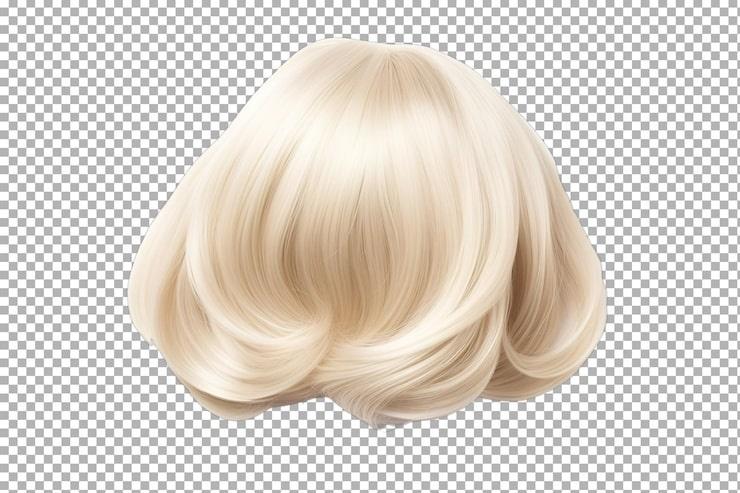
Following this checklist will get your wig looking refreshed for events or daily wear when time is limited and you need clear steps for how to revive a human hair wig fast.
To maximize longevity, treat your human hair wig like luxury hair—clean gently, hydrate intentionally, and limit harsh chemical or thermal stress.
Pro tip: For colored wigs, use color-safe formulas and consider a demi-permanent gloss treatment to refresh tone and add reflective shine between full color services.
SEO reminder: repeating the core phrase how to revive a human hair wig across headings and meta-like text helps search relevance, but maintain natural language and user-focused value rather than keyword stuffing.
Even with diligent care, wigs have a lifecycle. Consider replacing when shedding becomes excessive, the cap loosens irreparably, or the hair no longer responds to restorative treatments. Investing in a high-quality replacement is often more cost-effective than repeated repairs on a very old piece.
These steps collectively answer practical questions around how to revive a human hair wig and provide both immediate and long-term strategies so your piece looks polished, natural, and lasts longer.
A: Use small amounts of lightweight oils like argan or jojoba on the ends only; avoid heavy petroleum-based products that cause buildup.
A: For daily wearers, deep-condition every 2–4 weeks. For occasional use, once a month is sufficient. Adjust based on dryness and chemical processing.
A: Air-drying is gentler and reduces heat stress. If you must blow-dry, use low heat and a diffuser, and apply heat protectant.
With these methods you can revive shine and softness quickly, and build a routine that prevents future damage—helping you extend the life and beauty of your human hair wig with confidence.
