If you’ve ever scrolled through social feeds, watched a beauty tutorial, or caught a viral moment on social platforms, you might have seen the phrase what does wig mean pop up in captions, comments, or casual conversation. In contemporary English, especially in informal registers, this small word carries a surprising amount of cultural weight. Below you’ll find an in-depth, SEO-friendly exploration of the expression, its origins, different contexts where it appears, examples, and practical tips for using or interpreting it correctly. This article is crafted to help readers, content creators, editors, and community managers understand both literal and figurative uses of the term so they can respond appropriately and optimize content around this search query.
At face value, the word “wig” denotes a hairpiece used to change or enhance a person’s hairstyle. That is the literal meaning: a cosmetic article often made from synthetic or human hair. But in slang, especially among beauty communities and internet subcultures, what does wig mean often refers to an emotional or cognitive reaction — surprise, admiration, shock, or being figuratively “mind-blown.” In that sense, to say “wig” or “wigged” is shorthand for “my wig flew off,” a humorous way to express that something stunned you.
The slang form is commonly used as an interjection or reaction: someone posts an incredible makeup transformation and followers reply with “wig snatched!” or simply “wig.” It's compact, playful, and expressive. Socially, it signals enthusiasm and approval while also aligning the speaker with modern, internet-savvy conversational styles. For SEO and content strategies, queries like what does wig mean are often informational intents, so providing clear distinctions between literal and slang uses helps capture both audiences searching for haircare info and those curious about pop culture language.
The figurative usage likely evolved from queer and Black drag cultures where theatrical expressions and clever metaphors are common. The metaphor of a wig being “blown off” by something astonishing predates social media, but platforms like Twitter, TikTok, and Instagram accelerated its spread. Today, what does wig mean can appear across diverse demographics, but it retains ties to communities that first popularized expressive slang.
Below are practical examples to illustrate the range of uses. Each example demonstrates how the phrase appears in conversation, captions, or comments.
People often combine the wig metaphor with other phrases: "wig snatched" (strong approval), "wig flew" (surprise), "wig gone" (extreme reaction). If you’re optimizing a site for the search phrase what does wig mean, include these variations naturally to cover long-tail queries and related searches.
Language evolves, and while this term is popular and often playful, it’s important to be mindful of context. Because the slang use draws from communities that include LGBTQ+ and Black cultural origins, avoid appropriative or mocking uses. Use the term in contexts where playful expressiveness is appropriate — informal captions, reaction threads, or friendly banter. For formal writing, choose clearer expressions like "surprised" or "amazed."
For site owners and content creators asking what does wig mean, here are practical optimization tips:
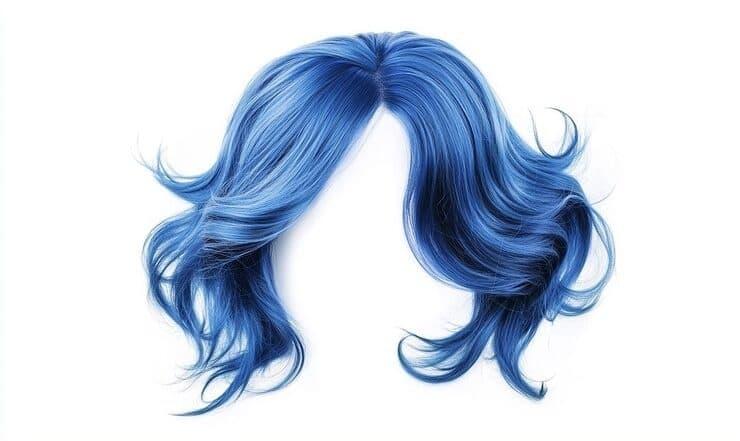 , and h4 headings and include the phrase what does wig mean in at least one prominent heading and several times throughout the article in natural ways.
Place the keyword what does wig mean in the first 100 words if possible, but keep language natural. Use the term in headings and as part of internal anchor text. Aim for moderate density — avoid keyword stuffing. Instead, support the phrase with semantically related words like "slang", "reaction", "hairpiece", "beauty culture", "viral", and "social media."
