Whether you are new to dressing up for conventions or a seasoned maker, knowing how to style a cosplay wig is a core skill that separates a good costume from a great one. This in-depth guide explores multiple heatless techniques, pro cutting strategies, and durable holding methods so you can achieve character-accurate looks while preserving the wig fiber and maintaining longevity. The advice below is tailored to synthetic and heat-friendly fibers, with notes for human-hair wigs where appropriate.
Before you begin, clarify three goals: silhouette (overall shape), detail (bangs, spikes, curls), and durability (how long the style must last during wear). Gather essential tools: a mannequin head or foam head, wig stand or clamp, wide-tooth comb, rat-tail comb, sectioning clips, sharp shears designed for hair, thinning shears, hairpins, T-pins, strong hairspray, fiber-friendly styling paste or glue sticks, a wig cap, and optional heatless curl helpers such as foam rollers or flexi rods. Sanitation: always work on a clean station. Place a towel or disposable cover under the wig to catch loose fibers and product.
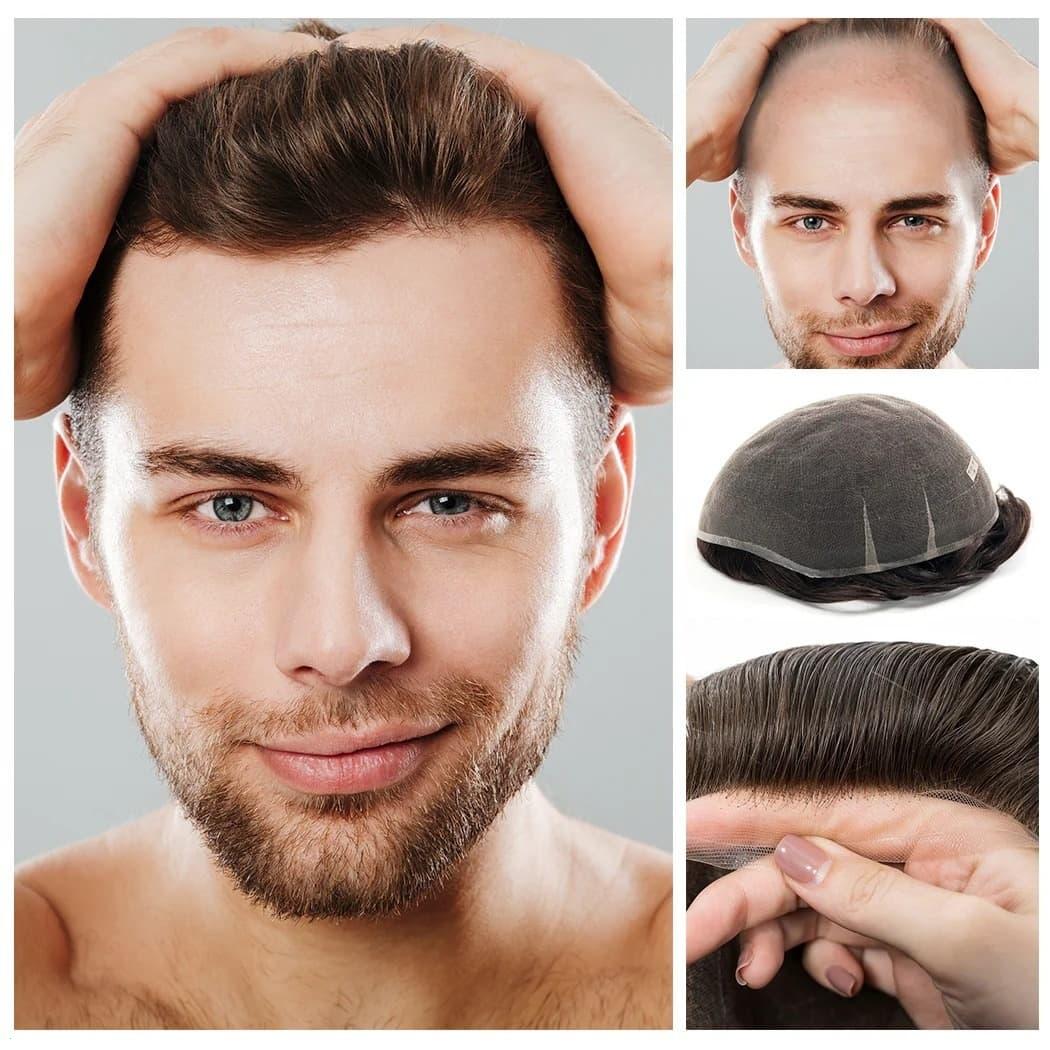
The foundation of a successful style is selecting the right wig. For extreme shapes, use a wig with higher density or consider ventilating extra wefts. For layered looks, a mid-density wig is easier to sculpt. Pre-styling steps: wash or lightly steam the wig to remove factory oils, detangle gently with a wide-tooth comb, and place securely on a head block. If using a lace front, tack it down temporarily so you can cut and style without shifting the hairline.
Many cosplayers prefer heatless approaches to protect synthetic fibers. These methods are ideal for "how to style a cosplay wig" when heat is either not permitted or you want to preserve longevity.
Braids are a versatile and gentle method to achieve waves, curls, or directional texture. For loose waves, divide hair into 4-8 sections depending on thickness, braid each section tightly or loosely depending on desired wave size, secure with elastic bands, leave overnight or until completely dry, then unravel and finger-comb into shape. Use a tiny bit of fiber-safe serum to reduce frizz. For spiky directional hair, braid thin subsections and compress the braid while binding with thread and pins to set a directional curve. Apply a firm-hold spray on the braid before unwrapping to lock the pattern into place.
Sock curls and flexible rods create long-lasting ringlets and retro shapes without heat. Wrap small subsections around a sock roll or flexi rod, secure, then steam lightly from a distance for heat-friendly fibers or just leave overnight for synthetic wigs—many modern synthetic blends will take a set with tension and time alone. When unwrapping, separate curls carefully, use styling paste on the roots to support lift, and finish with a light mist of strong holding spray.
The headband curl method is excellent for creating consistent front-volume and soft waves. Place a headband over the wig, wrap the hair over and around it, pin in place, and leave for several hours. For anime-style volume, use T-pins to secure lifted sections from the inside of the wig cap to create gravity-defying shapes—this is especially useful for pompadours and voluminous bangs.
For smooth, curved bangs or feathered ends, roll hair onto a cardboard tube or similarly sized core and secure. Let sit overnight. When removed, trim carefully to refine shape, always cutting less than you think you'll need to maintain control.
Cutting wigs can be intimidating, but with the right approach you can reshape a mass-produced cap into a character-perfect piece. Here are professional tips used by wig stylists.
Map the wig into zones: crown, sides, nape, and fringe. Work zone-by-zone, cutting a conservative amount and checking symmetry constantly. For asymmetrical characters, mark reference points on the mannequin with removable tape.
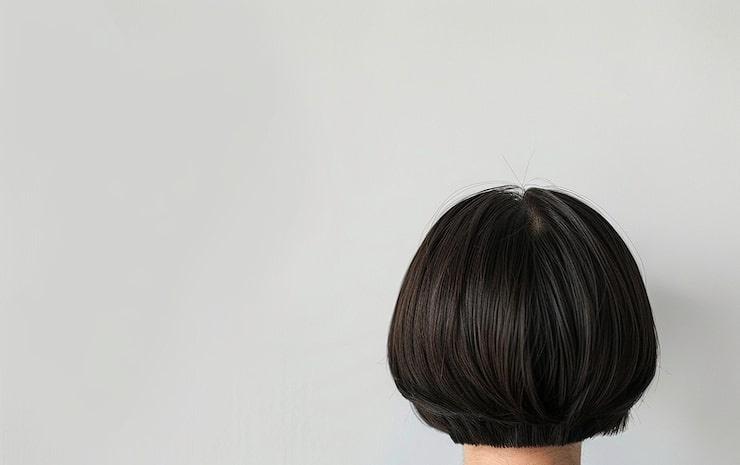
Blunt cuts give stylized, graphic edges often seen in anime characters. For natural movement, use point cutting: hold the scissors vertically and make small snips into the ends to soften. For layers, elevate sections and slide cut to avoid hard steps between layers. Always maintain the character's silhouette—if the character has chunky, geometric hair, favor blunt sections; if soft and feathery, favor texturing.
To craft spikes, create individual sections and backcomb lightly at the base (if fiber allows) or apply a fiber paste to shape. Wrap each spike over a small foam core or fold and glue the base to the cap using craft-grade wig glue or hot glue for non-reversible builds. For extremely rigid spikes, consider inserting wired cores or using lightweight plastic armatures sewn into the cap to hold shape without stressing the fiber.
For lace fronts, trim lace conservatively and melt the edge using rubbing alcohol to remove glue residue and then secure with a light concealer for natural blending. When trimming bangs, start long, work in small increments, and angle scissors inward for a softer look. If adding baby hairs, thin small subsections near the hairline with thinning shears and secure them with lash glue for a subtle finish.
Designing a look that lasts through a convention day requires thoughtful layering of products and mechanical support.
Sew a lightweight foundation of netting inside the wig cap to anchor heavy sections. Use small snaps or Velcro pads where you will attach wigs grips, brow pads, or body attachments like horns. Reinforce spike bases by sewing on a fabric disc or plastic washer before gluing or sewing in the spike core—this distributes tension and prevents tearing.
For lace front security, use medical-grade adhesive or lace tape. For day-long wear without residue, consider a silicone wig grip band that holds the wig in place with friction. When using hairspray and glue, remember that stronger products increase longevity but require more careful removal to avoid damaging the cap or your skin.
Finish with a strong-hold hairspray designed for synthetics or a cosplay-tested holding spray. For extreme hold, apply a thin layer of diluted fabric glue or hair glue to the roots and structure areas, then matte-seal with a final mist of spray to reduce shine. If you need to reduce stickiness, dust the roots with a tiny bit of translucent powder after the glue sets.
Heat-resistant synthetics: Can tolerate low heat; test a hidden strand first. Use steam from a distance for shaping without direct high-temperature tools.
Standard synthetics: Avoid irons and high-heat tools; rely on tension, wraps, and time for permanent sets. Use low-temperature fans or ambient warmth to speed setting.
Human hair wigs: Treat like natural hair—use heat styling sparingly, apply heat protectant, and note that human hair requires conditioning and deeper cleaning.
If you need subtle highlights, use pastel chalks, wig-specific temporary dyes, or specialized fiber markers. For more permanent color shifts on heat-safe fibers, use diluted fabric dye according to manufacturer instructions and test prior. You can also add wefts or slip-in extensions to create two-tone effects without altering the base wig permanently.
To keep a styled wig ready for immediate wear, use a breathable wig bag, stuff the interior with tissue to preserve shape, and avoid compressing spikes or tall elements. For travel, detach fragile features and transport them in a padded box. Regularly brush gently with a wide-tooth comb and spot-clean roots with a damp cloth; full washes should be infrequent and use wig shampoo and conditioner only.
Avoid cutting too much initially, neglecting internal reinforcement, and using the wrong adhesive for your skin type. Test adhesives on a patch of skin before application. Don't overload with product—build hold in layers, not in one heavy coating.
Work in a ventilated area when using sprays and glues. Keep products away from open flames—some sprays are flammable. Use skin-friendly tapes if you have sensitive skin and remove adhesives slowly with proper removers to avoid irritation.
1. Place the wig on a head block and secure with T-pins. 2. Section the hair into spikes according to the reference character. 3. For each spike, apply a small amount of fiber paste at the root, twist the section around a small foam cone, and secure the cone to the cap with thread. 4. Reinforce the base with a fabric disc and lightweight hot-glue, taking care not to melt synthetic fibers. 5. Let set overnight; remove cones carefully and shape with a blending scissor. 6. Finish with a strong-hold spray and a light dusting of translucent powder to reduce shine and tackiness.
Always keep multiple character images at different angles. Recreate the silhouette first, then refine local details like the length of bangs, spacing of spikes, and the curl direction of ends. Consistent comparison prevents drift away from the intended design.
Mastering how to style a cosplay wig blends creativity with technique: choose the right base, use gentle heatless sets for synthetic fibers, apply pro cutting and reinforcement methods, and layer holding strategies to maintain the look all day. By combining small mechanical supports with careful product application and conservative cutting, anyone can produce convention-ready wigs that hold up under wear and travel.
To further refine your skills, seek out wig-building workshops, follow experienced stylists on social platforms, and practice on lower-cost wigs before altering prized pieces. Catalog your builds with photos and notes on which adhesives, internal supports, and cutting techniques worked best for each fiber type; this personal database will speed up future projects and reduce guesswork.
With this toolkit and the techniques described, you'll have the confidence to tackle complex styles. Repeat the core phrase sometimes to anchor your learning: how to style a cosplay wig for conventions, photoshoots, and performances.
A: No. Only use heat tools on heat-resistant or human-hair wigs. Test a hidden strand first and use the lowest feasible temperature with a heat protectant. For standard synthetics, prefer heatless methods described above.
A: Combine an internal support (wire cores or sewn discs), strong-hold glue at the base, and finish with a high-quality holding spray. Reinforce attachment points and avoid overloading the fiber with glue to prevent sag.
A: Cutting is permanent. For reversible customization, add wefts, clip-in pieces, or use shaping methods like braids and wraps that can be undone. If you must cut, work conservatively and save trimmed pieces for future blending.
End of guide: practice, patience, and proper prep are your best allies when learning how to style a cosplay wig—invest time in learning each technique, and your skills will grow with every project.
