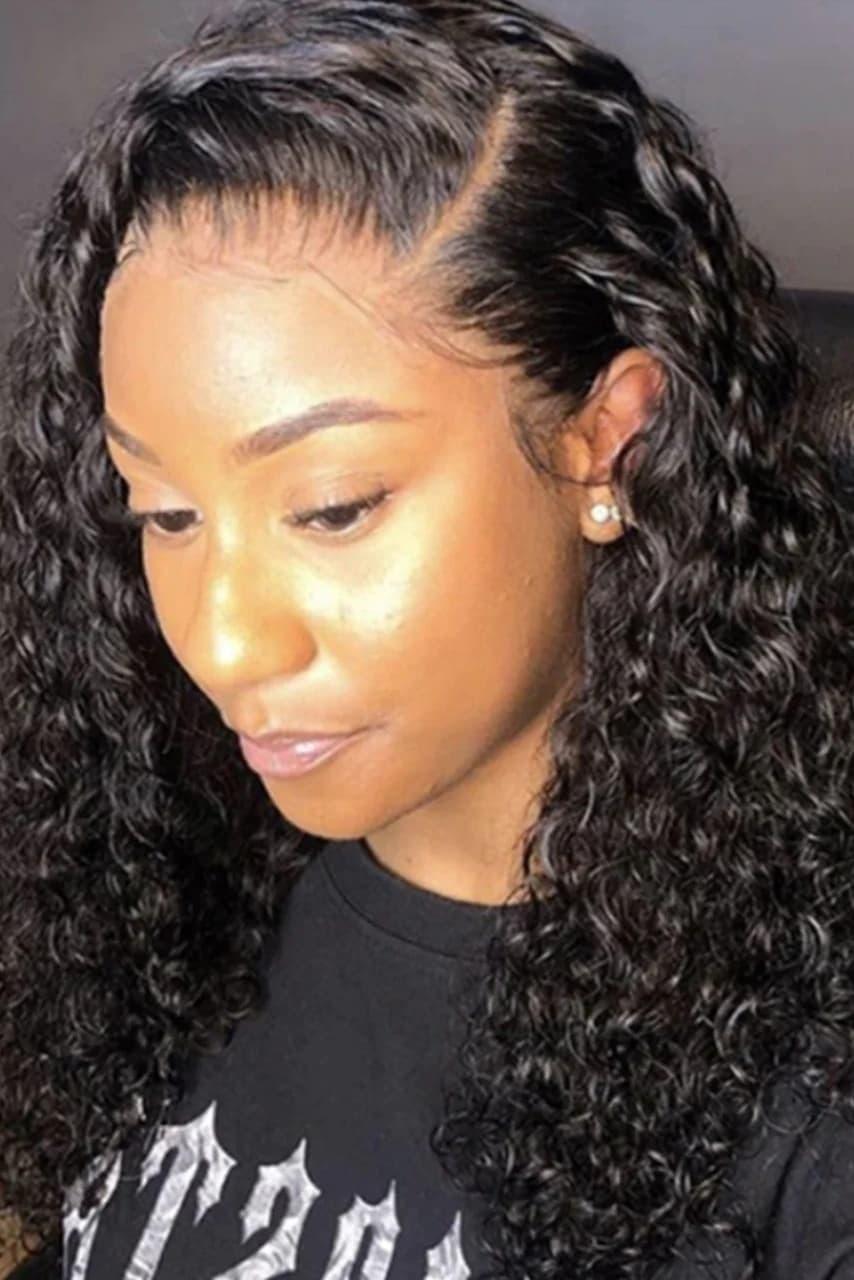
when did black people start wearing wigs
This comprehensive exploration traces the long, complex, and culturally rich journey of hair coverings, hairpieces and wigs across African and African-diasporic communities. The question of when did black people start wearing wigs invites a multilayered answer: it is not a single moment but a series of intertwined developments across millennia, shaped by climate, status, aesthetics, technology, colonial encounters, medical needs, and political expression. Below, we map that journey from ancient Nile civilizations through medieval and early modern eras to contemporary Black hair culture and the booming wig industry.
Origins: The Nile Valley and Early Styling Practices
In ancient northeastern Africa—most notably ancient Egypt—hair was a powerful marker of identity, class and ritual. Archaeological evidence, tomb paintings, and surviving wigs point to the routine use of wigs and hairpieces thousands of years BCE. Wigs were crafted from human hair and vegetable fiber, often worn by both men and women to protect natural hair and scalps from sun, lice and the effects of heat while also signaling social rank. In that historical setting, the question when did black people start wearing wigs has an answer that reaches far back; hair substitutes and ornamental coverings are part of documented life among early Nile Valley societies.
Function and symbolism in antiquity
In early Egyptian and Nubian cultures, wigs served practical purposes—protection and hygiene—and symbolic ones. Priests frequently shaved their heads and wore wigs for ritual purity, while royal and elite classes used elaborate hairpieces to display wealth and divine association. Materials, styling techniques and ornamentation varied, with braided wigs, beaded decorations, and intricately curled styles appearing in iconography and burial sites. These early practices demonstrate that wearing artificial hair was an established technology long before modern mills and salons.
Classical Antiquity and Cross-Cultural Exchange
As Mediterranean and African worlds interacted, hair fashions traveled with traders, artisans and enslaved people. Greco-Roman sources record an interest in Egyptian wigs and hairstyles, sometimes adopting or adapting elements into imperial fashions. Within North Africa, Berber, Egyptian, and sub-Saharan traditions influenced one another. The diffusion of wig use shows that by the first centuries CE, hairpieces were not solely an isolated regional phenomenon but part of a broader ancient repertoire of hair solutions and style signaling.
Medieval and Early Modern Periods: Continuity and Change
Across West, Central and East Africa, diverse practices around hair, head-covering and adornment persisted. While the word “wig” may connote European powdered and periwig traditions of the 17th and 18th centuries, it is important to recognize that many African communities developed their own hair additions—extensions, braids with added fibers, and decorative head coverings—to achieve desired length, volume, or ceremonial forms. Contacts with Europeans introduced new materials and styles but did not create the underlying practice of modifying or augmenting natural hair.
Colonial encounters and new meanings
Beginning in the 15th century and accelerating through the transatlantic slave trade, traumatic cross-cultural contact altered hair practices and perceptions. Enslaved Africans faced enforced cultural erasure but also adapted their grooming knowledge to new constraints. On plantations and in colonial towns, hair choices were shaped by labor demands, access to materials and legal strictures. In some colonial societies, wigs and headwraps served as markers of survival strategies, modesty, or imposed norms. The colonizers’ fashion of wearing elaborate periwigs—associated with courts and professions—was distinct, but African-descended people continued to rely on adaptive techniques, including the use of additional fibers, braiding and later, off-the-shelf wigs when available.
18th–19th Centuries: Emulation, Economy and Social Mobility
By the 18th century in the Atlantic world, wigs had become symbols of professional status in Europe. Free people of African descent in colonial cities sometimes adopted European fashions as assertions of social position or economic aspiration. Portraiture and written accounts show Black men and women wearing wigs, hairpieces, and powdered styles in diverse contexts across the Caribbean, North America, and parts of Europe. These instances make clear that the question when did black people start wearing wigs must be answered with nuance: adoption often reflected local social strategies rather than wholesale imitation.
The 19th century and the rise of commercial hair goods
Industrialization and global trade brought greater access to manufactured hair goods and synthetic fibers. Hair switches, pads and wigs became more available in markets. For Black women and men confronting social hierarchies and racialized beauty standards, wigs could be a pragmatic tool for presenting a certain image in public life or gaining employment opportunities. Simultaneously, hair straightening techniques—using heated tools and chemical pastes—emerged as another route to conforming to Eurocentric norms. Wigs were one of several tactics used to negotiate identity, appearance and survival in racially stratified societies.
Early 20th Century: Industry, Celebrity and Social Norms
The 20th century marked a dramatic expansion in the production and marketing of hair products aimed at Black consumers. Entrepreneurs—many Black-owned—began manufacturing hair care products, straightening agents and a variety of wig and extension options. The period saw the growth of mail-order catalogs and salons that made wigs and hairpieces more accessible. Film, theater and later radio and television amplified certain beauty standards, and stars sometimes wore wigs for convenience or as part of performance. In each decade, wigs were tools for expression, utility, concealment and artistry.
Protective styling and practical uses
Within Black hair culture, wigs and hairpieces also served as protective styles—ways to reduce daily manipulation and preserve hair health. Even as straightened styles were promoted in many mainstream venues, African-descended communities cultivated a vernacular of braiding, weaving and hairpieces that prioritized scalp health, longevity of style, and cultural continuity.
The Civil Rights Era and Natural Hair Movements
The 1960s and 1970s brought a significant shift. A political and cultural reclamation of Black identity led many people to embrace natural hair, afros and traditional styles as symbols of pride and resistance. Yet wigs did not disappear; they evolved. Some people wore wigs that emulated afros or braided textures, while others used wigs for convenience, theatrical effect or when navigating workplaces with rigid grooming codes. Debates about respectability, authenticity and professionalism often centered on hair, and the question when did black people start wearing wigs took on political resonance: wearing a wig could be an act of conformity, protection, or personal preference.
Late 20th to Early 21st Century: Technological Advances and Market Explosion
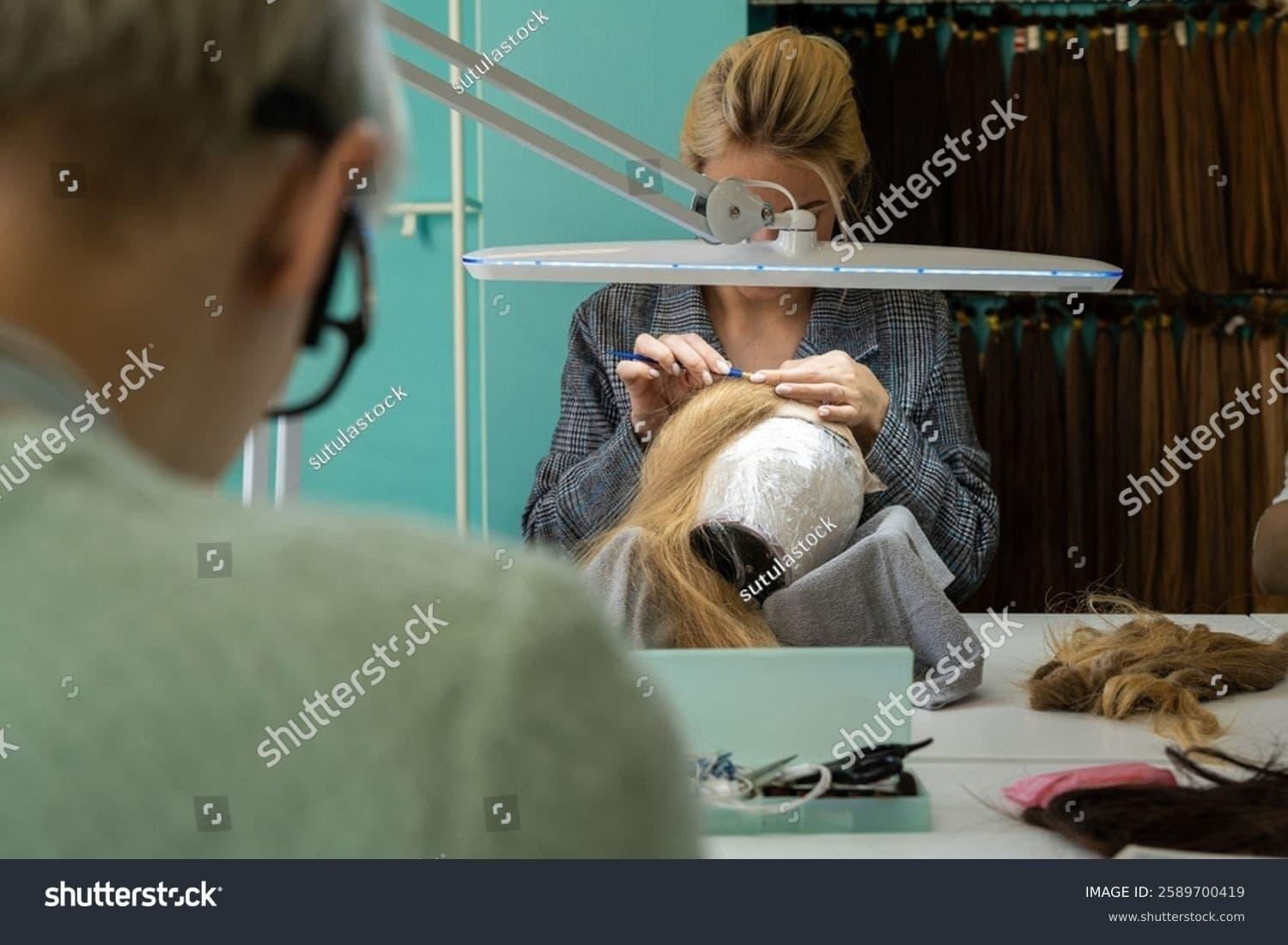
The last few decades have seen technological innovations—lace fronts, monofilament caps, hand-tied knots, high-quality human hair imports and advanced synthetic fibers—that transformed wig realism and comfort. Social media, celebrity endorsements and global trade made an enormous variety of wigs accessible. Lace-front wigs, full lace systems and bespoke units allowed wearers to achieve seamless hairlines and styles ranging from short and natural to long and flowing. The modern wig industry, with a significant share of Black-owned brands as well as large multinational suppliers, now generates billions in revenue worldwide.
Cultural signifiers and everyday use
Today wigs occupy multiple roles in Black communities: fashion statements, daily convenience, protective solutions, medical tools for people experiencing hair loss, and instruments of artistic performance. Drag, theater and cinema continue to rely on wigs for transformation. Moreover, Black women and men use wigs to enjoy rapid style changes without chemically damaging their natural hair, to protect their hair, or to express gender and aesthetic choices. As such, contemporary practice reframes any simple answer to when did black people start wearing wigs as a question about continuity, adaptation and reinvention rather than a single point in time.
Economics, Entrepreneurship and Cultural Ownership
A major contemporary development is the rise of Black entrepreneurs and influencers who have reshaped the wig market. From community-based stylists to global e-commerce brands, Black-owned companies have innovated in sourcing human hair, creating culturally resonant marketing, and educating consumers on quality and styling. This shift addresses historical inequities where materials and profits were extracted from communities of color, and places cultural authority back into the hands of creators and consumers who understand lived experience.
Regulation, ethics and supply chains
At the same time, conversations about ethical sourcing, labor conditions, product safety and transparency have intensified. Consumers increasingly ask about the origins of human hair, the fairness of supply chains, and the environmental impacts of synthetic fibers. These debates complicate the narrative of wig adoption, revealing that the contemporary landscape involves not just aesthetic choice but also moral and economic considerations.
Medical and Social Dimensions
Wigs are also critical in medical contexts. People undergoing chemotherapy, those with alopecia, or others experiencing medically-related hair loss rely on wigs for psychological comfort and social functioning. Organizations and charities often provide wigs to patients, and medical-grade options are designed to be breathable and hypoallergenic. This humanitarian dimension underscores another long-standing role of hair coverings: restoration of dignity and agency when natural hair is compromised.
Modern Cultural Debates: Authenticity, Appropriation and Acceptance
The modern era includes ongoing discussions about cultural appropriation and authenticity. Wigs blur boundaries: when a style rooted in Black hair culture becomes mainstream through wigs, conversations about credit, respect and economic benefit arise. Many argue that wigs can democratize access to styles, while others stress that the people who created those styles should benefit from them. The question when did black people start wearing wigs thus sits inside broader debates about visibility, ownership and representation.
Style versatility as resistance
For many Black individuals, stylistic versatility—enabled by wigs—functions as a form of personal freedom. Rotating between natural textures, braids, weaves and wigs allows experimentation beyond the constraints of workplace norms or social expectation. In this sense wigs are tools of empowerment as much as tools of conformity.
Practical Notes for Consumers and Historians
Whether your interest in when did black people start wearing wigs is scholarly, personal or commercial, consider these practical points: evaluate sources (archaeological, art historical, oral history), differentiate local traditions from imported fashions, and recognize that the use of wigs often corresponds to complex social pressures as well as creative choice. For consumers, learning about hair construction, lace types, base caps and maintenance preserves investment and supports ethical purchasing.
Conclusion: A Long Arc, Not a Single Date
The short answer to the central SEO question—when did black people start wearing wigs—is that the practice began in antiquity and has continued through many different forms to the present day. Wigs and hairpieces have been tools of protection, status, necessity, artistry and empowerment across time. They are part of a living cultural legacy that reflects resilience, innovation and the capacity to adapt beauty practices to shifting environments and social realities.
Further reading and resources
For deeper study, consult museum collections on ancient Egyptian dress, scholarly works on African material culture, histories of fashion and race, and contemporary analyses of the Black hair industry. Oral histories and community archives also hold invaluable insights into lived practices that formal records may overlook.
FAQ
Q: Did wigs originate in Africa?
A: Wigs and hairpieces have independent origins in multiple places, including ancient Egypt and neighboring African societies. While wigs were also used in other ancient civilizations, African traditions display early and sustained wig-making practices.
Q: Were wigs only for elites historically?
A: Not exclusively. While elaborate wigs often signified status, simpler hairpieces and protective coverings were used across social strata for practical reasons like protection from sun, lice and heat.
Q: How did the modern wig industry affect Black communities?
A: The modern industry created economic opportunities and aesthetic choices but also raised questions of ownership and ethical sourcing. Today, Black entrepreneurship plays a crucial role in shaping markets and standards.
Q: Are wigs considered cultural appropriation when worn by non-Black people?
A: Context matters. Wearing a style rooted in Black culture can be respectful if credit is given and benefits flow to the community; it can be problematic if it erases origin or profits others while excluding creators.