Finding the right hairpiece is more than just color — it's a blend of texture, cap construction, lifestyle fit and ongoing care. If you're exploring premium options, the phrase honey blonde hd lace wig likely appears in your search results, and for good reason: this shade and lace technology combine to deliver a natural-looking hairline and luminous color that flatters many skin tones. In this long-form guide you'll discover how to evaluate human hair vs synthetic, ventilated hd lace benefits, realistic installation tips, maintenance routines and curated picks to make confident buying decisions. Whether you're a first-time buyer or a veteran collector, these essential pointers will help you choose a hairpiece that looks, feels and behaves like real hair.
The honey blonde spectrum covers warm, golden hues with dimensional lowlights and highlights that mimic natural sun-kissed hair. It often includes a balanced mixture of light brown, soft gold and pale yellow undertones. When crafted well, a honey blonde hd lace wig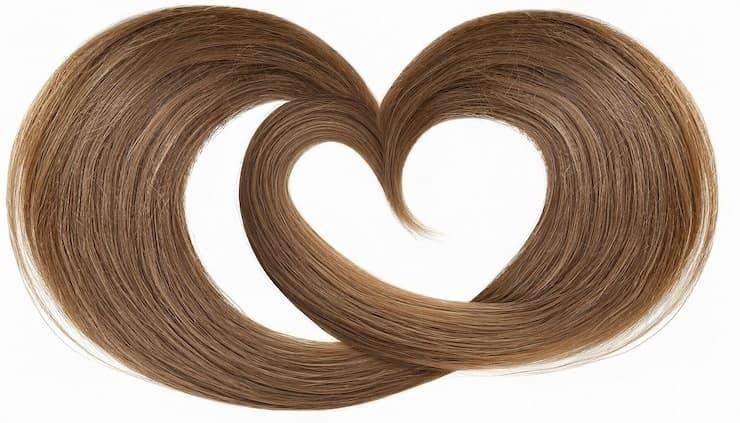 can brighten the face without appearing brassy. Look for wigs where colorists have used hand-tied techniques or multi-tonal coloring to create depth — flat, single-tone bleaching tends to look artificial over time. Also consider your complexion and eye color: warmer skin tones often pair beautifully with richer honey shades, while cooler complexions may prefer an ash-honey blend to avoid yellowing.
HD (high-definition) lace is a super-fine lace material designed to melt into the scalp and create an illusion of hair growing directly from the skin. Compared to standard lace, hd lace is thinner and less visible, making it ideal for learners who want an ultra-realistic hairline. However, hd lace tends to be more delicate and may require careful handling and correct adhesive selection. When shopping, confirm the lace color matches your scalp or is customizable, and ensure the hairline is ventilated realistically — single-knotted hairs and irregular density are signs of a quality hairpiece.
Caps come in many constructions: full lace, lace front, 360 lace, and machine-sewn (wefted) caps. Each has advantages. A lace front or hd lace front offers a natural frontal hairline and is typically less expensive than full lace, while full lace allows versatile parting and updos. 360 lace allows for styles that expose the perimeter, and wefted caps usually cost less and offer good volume but have less flexibility for changing parting. If you value unrestricted styling and multiple updos, prioritize full lace or a well-ventilated hd lace front. For daily wear with minimal fuss, a stable lace front may suffice.
Human hair wigs provide the most realistic texture, heat-styling capability and longevity when properly cared for. Remy human hair retains cuticle alignment and resists tangling, making it a top choice for premium honey blonde hd lace wig selections. High-quality synthetic fibers can replicate human hair appearance and hold styled shapes longer, but they typically cannot be heat-styled unless labeled heat-resistant. Cost, maintenance willingness, and style flexibility are key determinants when deciding between the two. For buyers who want longevity and salon-like styling, invest in remy human hair; for low-maintenance and occasionally changing looks, explore premium synthetics.
Length influences both styling options and maintenance. Shorter lengths are easier to manage and often look bouncy without heavy chemicals; longer lengths require more care to avoid tangling and split ends. Consider receiving a wig with a slightly longer length and consulting a stylist to customize the cut — layered cuts in honey blonde tend to showcase color dimension beautifully. If you want a versatile look, choose a median length (12"-18") that allows for updos but remains manageable.
Installing an hd lace unit requires a method that balances hold with hair and lace preservation. Common techniques include:
When aiming for an invisible hairline, thorough skin preparation, correct adhesive choice for your skin type, and meticulous lace trimming are crucial. Always perform a patch test for adhesives and use a good removers to protect the hd lace while detaching the unit.
To maximize natural appearance, follow these styling practices: lightly pluck the hairline to create irregular density, use a lace tint spray or foundation to match your scalp undertone, and lay baby hairs sparingly rather than creating a fringe of short hairs that betray the wig. Heat-styling remy hair at moderate temperatures, layering with heat protectant, ensures longevity; for synthetic options, adhere to manufacturer temperature limits. Use wide-tooth combs and micro brushes near the lace to prevent snagging.
Color-treated units need gentle, color-safe products. Sulfate-free shampoos, deep-conditioning masks and occasional gloss treatments can restore shine and reduce brassiness. Toners designed to neutralize yellow or orange undertones may be used selectively by a professional colorist. To maintain vibrancy, avoid prolonged exposure to chlorine and harsh sunlight; when swimming, wear a swim cap or limit soak time and rinse promptly.
Maintenance frequency depends on wear patterns, styling methods and product usage. A typical routine for a high-quality human hair hd lace unit includes a gentle cleanse every 1-2 weeks when worn daily, conditioning mask every 2-4 weeks, and trim/refresh of ends every 2-3 months if you style frequently. Store the wig on a mannequin head or satin pillow to preserve shape and minimize tangles. For hd lace specifically, avoid oil-based adhesives along the hairline unless you use a barrier method to protect the lace mesh.
Compact care kits help you preserve your look while traveling: a mini detangling spray, a soft-bristle brush, lightweight styling gel or mousse, and silk scarf or headband. When flying, carry the wig in a protective case and avoid exposing it to rough packing that could crush the lace. If you wear your unit daily, pack an emergency adhesive and remover wipes to adjust edges quickly.
Before purchasing, compare these touchpoints: hair origin (Remy vs Non-Remy), lace type and color, cap comfort, overall density (measured in grams or by look), vendor return policies, realistic wear photos, and customer reviews that include maintenance notes. For buyers focused on the visual finesse of a honey blonde hd lace wig, request close-up images of the hairline, part, and lace against varied skin tones. Ask vendors about pre-treatment steps (bleached knots, plucked hairline) and whether they offer custom tinting for the lace base.
Price often reflects craftsmanship and material: very low-cost hd lace units may cut corners on knot-bleaching or use lower-grade hair that tangles quickly. Investing in a reputable maker reduces long-term replacement costs and yields a more natural aesthetic that stands up to everyday life.
Play with soft waves, face-framing curtain bangs, low ponytails with loose tendrils, or a half-up bun to showcase the hairline and color dimension. If you prefer dramatic changes, consult a stylist to create layers or add subtle balayage tones that enhance the honey hue without over-processing the hair. When curling, alternate the direction of the curls for a lived-in texture rather than uniform spirals.
If you want seamless integration or complex color matching, book an appointment with a wig technician or colorist who specializes in hd lace units. Professionals can perform customized lace tinting, hairline adjustment, and trim for a bespoke result. Additionally, if you experience skin sensitivity to adhesives, a pro can suggest alternate bonding methods or recommend medical-grade adhesives with lower irritation risk.
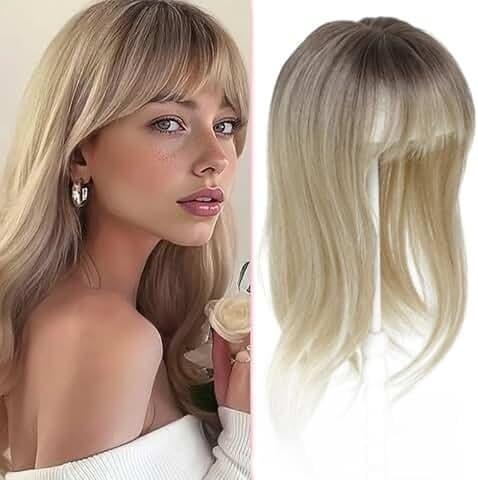

Final recommendation: prioritize realistic construction and color depth over impulse trend purchases. A well-made honey blonde hd lace wig blends technical lace craftsmanship with expert coloring to create a flattering, believable style that elevates confidence. Take time to research vendors, ask for detailed photos and, if possible, read verified user experiences to validate durability and realism before investing. With the right selection, installation and maintenance, your new unit can become a natural, long-lasting part of your beauty routine.
