If you've ever asked can i curl a wig while staring at heat tools on your vanity, you're not alone. This comprehensive, SEO-friendly guide dives into both heat and no-heat methods, step-by-step techniques for synthetic and human hair wigs, product recommendations, safety tips, and troubleshooting. Whether you're aiming for soft waves, tight spirals, or a relaxed curl, this article will help you decide when and how to curl a wig without compromising its longevity. Read on for practical, tested advice and actionable steps you can follow at home.
Understanding can i curl a wig is essential because wigs differ in fiber composition, construction, and heat tolerance. Human hair wigs behave like natural hair and respond well to hot tools, whereas many synthetic wigs require no-heat styling or specific low-heat tools designed for synthetic fibers. Mistaking one for the other can cause irreversible damage. This guide clarifies differences and provides layered instructions so you can achieve beautiful results while maximizing the life of your investment.
Before attempting to curl, perform a simple test and inspection: check the label or product page; feel the fiber (synthetic often feels slightly plastic or overly uniform), and do a small strand test in an inconspicuous area. Ask yourself: is it human hair, thermal synthetic, or standard synthetic? Answering this resolves the central concern of can i curl a wig.

Preparation matters. Here is a curated toolkit for heat and no-heat styling so you can confidently answer the question can i curl a wig for your specific wig type:
Use these best practices: always detangle before styling; clip the wig to a stable stand to prevent unwanted tugging; work in small sections; never exceed recommended temperatures; use a heat protectant even on human hair; let curls cool down fully on the rod to set; and avoid daily heat styling to prolong lifespan. If your core question is can i curl a wig, the safe answer often depends on whether you commit to these habits.
Human hair wigs are versatile. Follow this systematic approach to create long-lasting curls:
1. Wash and condition the wig if needed, allow to dry completely on a wig stand.
2. Lightly spritz with a heat-protectant spray labeled for wigs/hair.
3. Use a heat tool with adjustable settings; set to 300-350°F (150-175°C) initially. Adjust based on the density and thickness of the wig.
4. Divide hair into 1-inch sections and secure the rest with clips.
5. Wrap each section around the barrel, hold for 6–10 seconds for medium curls, 3–6 for waves, and 8–12 for tighter curls—test and adapt.
6. Release curl onto your palm and let it cool before manipulating; pin if necessary to preserve shape.
7. Once all sections have cooled, gently comb through with fingers or a wide-tooth comb and finish with a light-hold spray. This method answers can i curl a wig in the affirmative for human hair, provided you use correct technique.
If your wig is labeled "heat-resistant," you can often use low heat safely. However, there are important steps:
- Confirm manufacturer's max temperature and never exceed it.
- Start at the lowest setting and perform a strand test.
- Use short bursts of heat and avoid prolonged contact.
- Consider smaller barrel sizes for defined curls or larger barrels for waves.
- Use wig-specific heat protectant sprays because generic products can leave residues or interact with synthetic fibers.
Short, controlled heat exposure combined with quick cooling yields better results than prolonged heating. If results are inconsistent, revert to no-heat methods until you’re confident in the fiber’s tolerance.
For many synthetic wigs, and for anyone wanting to avoid heat damage entirely, no-heat methods are ideal. These techniques yield beautiful results and are gentle on the cap and fibers:
Even experienced stylists encounter problems. Below are practical solutions to frequent concerns related to "can i curl a wig":
How you care for a curled wig affects how long the style lasts. Here are maintenance steps to extend style life and help answer future queries about can i curl a wig:
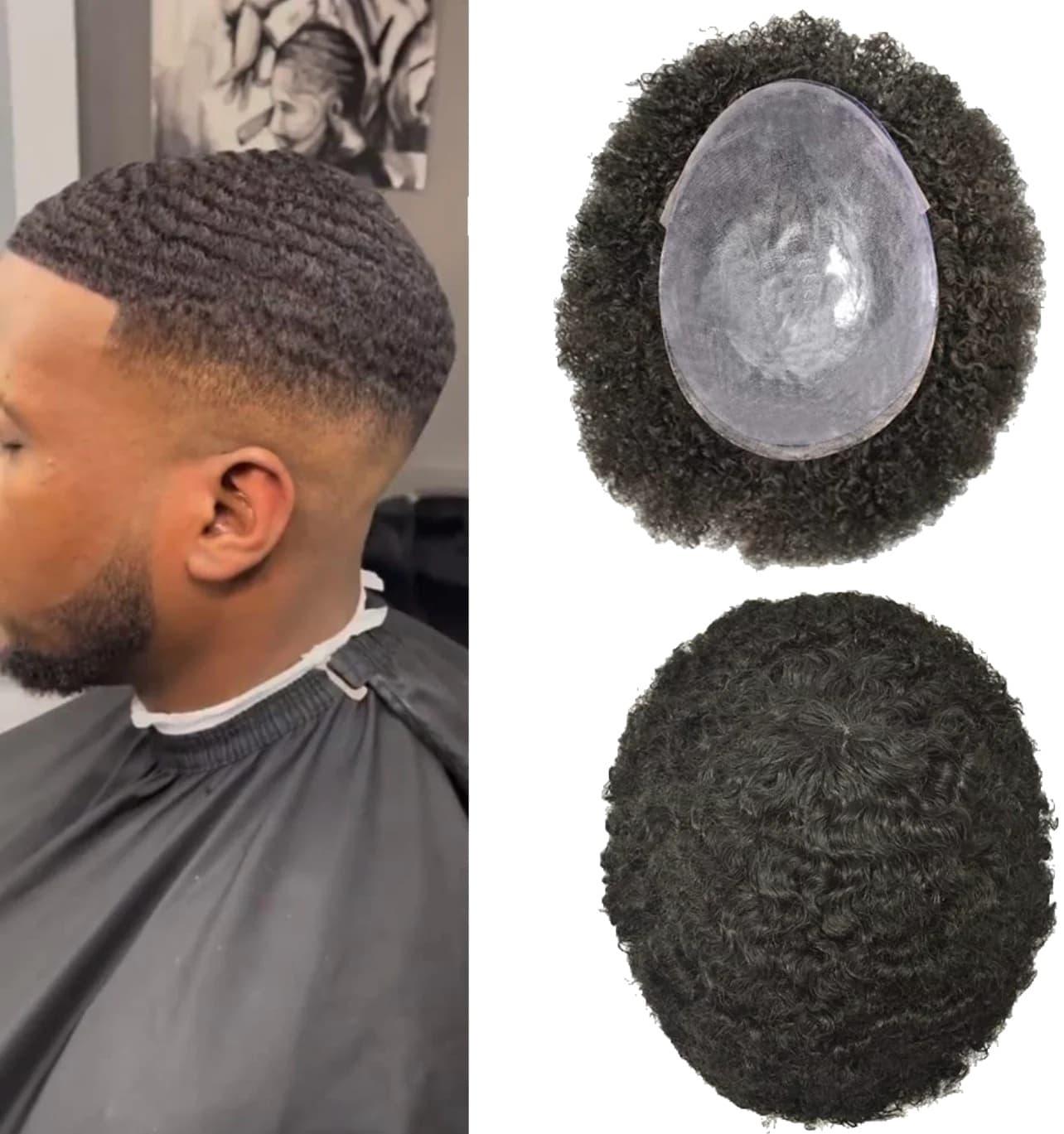
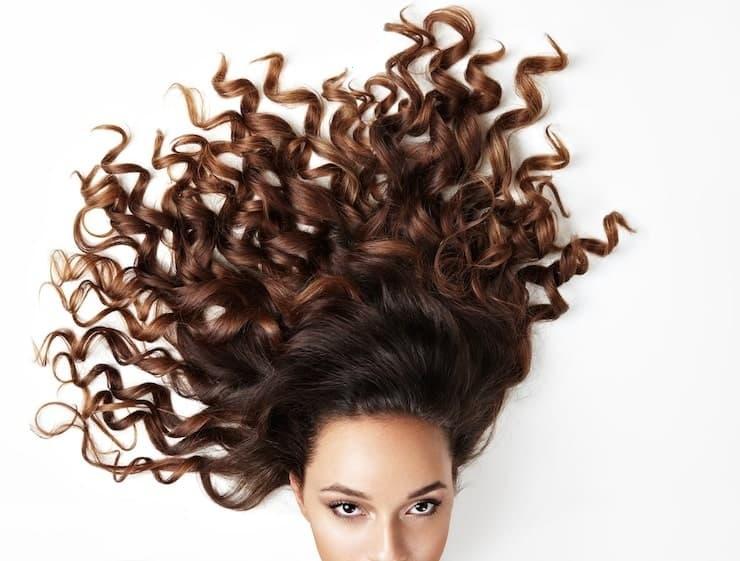
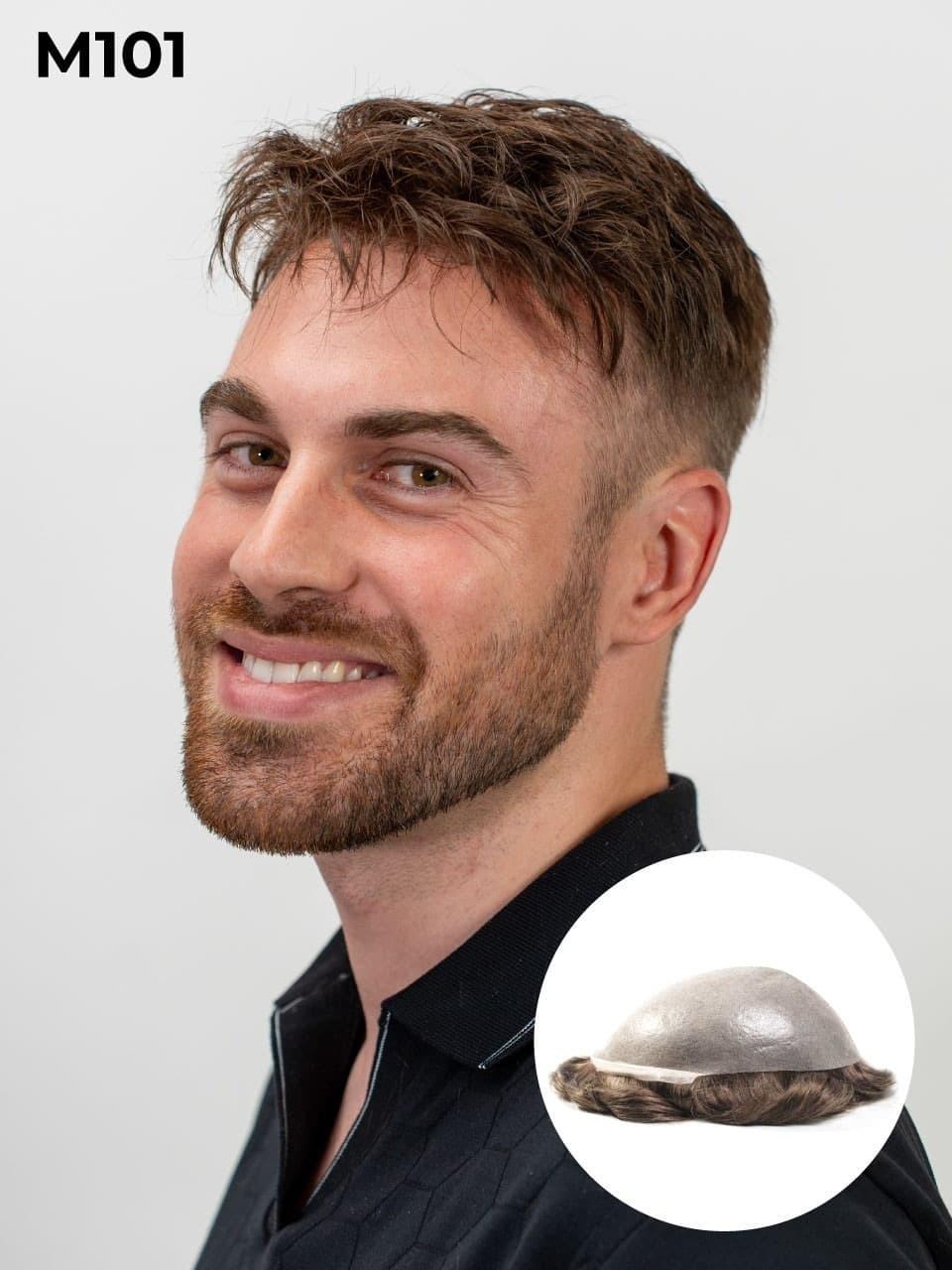
Curling frequency depends on the fiber: human hair wigs can tolerate more frequent heat styling if you use protection and give hair recovery time; synthetic wigs should be styled with heat sparingly or avoided altogether if not heat-resistant. A good rule: limit hot-tool styling to occasional use and rely on no-heat methods for regular changes.
Match technique to the look you want. For voluminous, salon-style curls on human hair, use a medium barrel and set curls with pins. For long-lasting tight ringlets, use small barrels and cool fully on rods. For beach waves on synthetics, try braids or a headband method overnight. Considering the fiber and desired outcome gives a reliable answer to can i curl a wig in context.
Myth: All wigs can be heat-styled. Fact: Only human hair and labeled heat-friendly synthetics are safe for hot tools. Myth: Heat-protectant is unnecessary on wigs. Fact: Heat protectants significantly reduce damage on human hair wigs and sometimes on heat-friendly synthetics—use products formulated for wig fibers.
While many styles can be achieved at home, complex transformations or high-value human hair wigs may deserve professional attention. Stylists can re-shape wefts, cut layers for better curl distribution, and perform thermal styling with professional-grade tools and expertise.
With the right knowledge and care, you can safely curl many wigs and achieve professional-looking results at home. If your guiding question is simply can i curl a wig, this resource equips you with the decision framework and step-by-step methods to do it well.
When choosing tools, ceramic barrels heat evenly and reduce hot spots. Ionic tools help reduce frizz on human hair. For synthetic pieces, prefer products made specifically for synthetic fibers—regular hair oil or alcohol-based sprays can ruin synthetics. Keep a small emergency kit with extra flexi-rods, pins, and a travel-size wig spray for on-the-go touch-ups.
Final reminder: Always defer to the wig manufacturer's directions. Label guidance is the single most reliable source when answering can i curl a wig for your particular piece.
A: If the wig is not labeled heat-resistant, yes—direct heat can melt or permanently deform fibers. Use no-heat techniques or purchase a heat-friendly model.
A: Start at a lower setting (300–350°F / 150–175°C) and adjust upward only if necessary. Always use a heat protectant and perform a strand test first.
A: Sleep with a silk or satin bonnet and pin curls loosely to maintain shape. Store on a wig stand when not wearing to keep curl definition.
Use this guide as your go-to resource for styling decisions, and revisit the steps whenever you ask yourself can i curl a wig—your wig will thank you with longer life and better-looking curls.
