If you've ever wondered can you bleach a synthetic wig and what that process really involves, this long-form guide breaks the topic into practical sections: why most bleaching attempts fail, the risks involved, safer methods for changing or lightening synthetic fibers, and step-by-step precautions if you still choose to try a low-risk approach. This article focuses on realistic outcomes and professional-level alternatives so you can make an informed decision without unnecessary damage to your investment.
First, understand the construction: most synthetic wigs are made from thermoplastic fibers (kanekalon, toyokalon, modacrylic, polyester blends). They were manufactured with colorintroduced during extrusion or with dyes designed to bond to plastics. Because of that, regular hair bleach (oxidative bleach, peroxide + persulfates) that works on natural keratin hair does not operate on the same chemistry. Asking can you bleach a synthetic wig is legitimate, but the answer is not a simple yes/no — it's mostly a firm no for traditional bleach methods and a cautious yes for alternative strategies that avoid oxidizers.
Myth: "Peroxide will lift synthetic dye like it does on hair."
Reality: Peroxide can weaken or yellow plastics, sometimes creating an uneven, brittle wig instead of a clean lift.
Below are safer alternatives to answer the practical part of can you bleach a synthetic wig — not by using harsh oxidizers but by employing accepted, lower-risk methods:
These options maintain fiber integrity while delivering predictable results and an attractive finish.
If you are determined to experiment and the wig is relatively inexpensive, perform controlled tests and take notes. The following step-by-step guide emphasizes minimization of damage and prioritizes testing.
Look for labels: "heat-resistant synthetic," "kanekalon," "modacrylic," or "polyester." You can also do a small burn test off the weft edge (only if the wig is disposable). Natural hair smells like burning hair; synthetics smell like chemicals or plastic and melt into beads. Never burn a valuable wig — a test strand from an inconspicuous area is safer.
Always cut a 1–2 inch test strand from the wig cap seam (preferably at the nape or inside). Apply the product or method on this isolated strand under the same conditions you plan for the whole wig. Note changes in color, texture, and elasticity. Document the time and concentration used.
Start with color-depositing shampoos, diluted fabric dye for synthetics (special poly dyes), or temporary sprays. Work in a ventilated area, and use gloves. Rinse thoroughly and air dry on a wig block to assess color and feel.
Household bleach (sodium hypochlorite) and high peroxide concentrations will likely degrade polymer chains. They can cause yellowing, brittleness, and melt at the fiber level. If you read forums claiming successful results, remember these are often for specific fiber types and involve significant risk.
Peroxides and strong alkalis attack polymers by breaking bonds and oxidizing pigments unpredictably. This can produce yellow or orange hues, weaken the fiber and create visual inconsistency. In many documented cases, the result is hair that sheds, tangles severely, or loses style memory (resistance to curls or waves).
High-quality wigs or wigs with sentimental value: consult a professional wig technician. They can either recolor using appropriate industry products or replace fiber sections. A pro can also recondition and restyle after color work to maintain the wig's life.
1) Secure the wig on a stand; detangle gently. 2) Apply color-depositing shampoo or diluted color mix to the strand-tested areas. 3) Work product gently from roots to tips, avoiding overheating or prolonged exposure. 4) Rinse with cool water until water runs clear. 5) Apply a color-locking conditioner designed for synthetics. 6) Air-dry on a foam head to preserve the cap shape.
Sometimes the goal is to "lighten" the look rather than remove pigment. Strategies include:
- Adding lighter colored wefts or highlights by hand-tying strands into the wig cap.
- Using subtle balayage sprays and root shadowing to produce contrast.
- Styling techniques such as curling and layering that catch light differently and give the illusion of lighter tones.
If fibers harden, melt, or become brittle after an experiment, there are limited repair options: trim affected areas, reweft a section, or replace the wig cap. Conditioning treatments for synthetics can improve feel but cannot restore polymer integrity once severely damaged.
If the wig retail value is moderate to high, the financial and aesthetic risk of attempting to bleach often outweighs benefits. Inexpensive wigs are safer test subjects, but keep expectations realistic: color shifts are rarely uniform, and texture loss is likely with aggressive chemical exposure.
Never pour solvents or strong chemicals down household drains. Dispose of contaminated water according to local regulations. Wear protection, work in a ventilated area, and avoid inhaling sprays or dust from synthetic fibers. Use eco-friendly and low-VOC products where possible.
So, can you bleach a synthetic wig? The concise, SEO-focused answer is: traditional bleaching is not recommended and rarely successful; instead, favor low-risk options such as color-depositing products, temporary color sprays, or professional fiber replacement. If you must attempt a chemical alteration, limit your exposure, test a strand, and accept the possibility of irreversible damage.
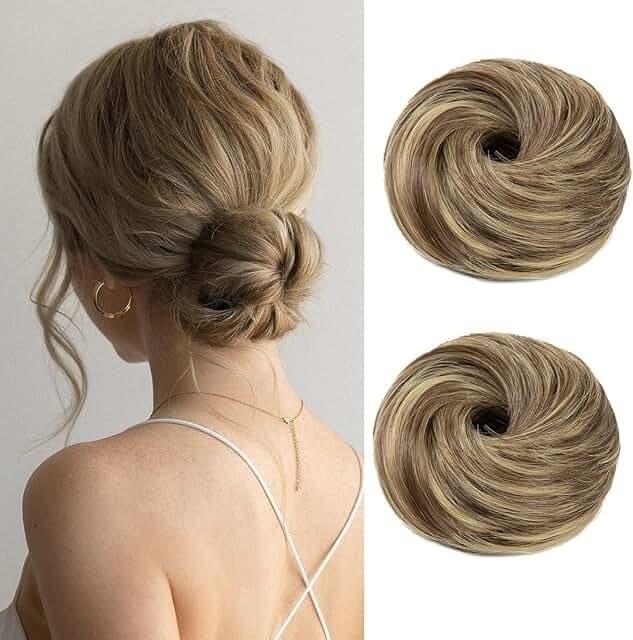
Once you achieve a desired color through safe methods, maintain it by washing with sulfate-free, color-safe products, storing on a head form away from direct sunlight, and avoiding excessive heat. Use a detangling spray and wide-tooth comb to reduce mechanical stress on dyed fibers.
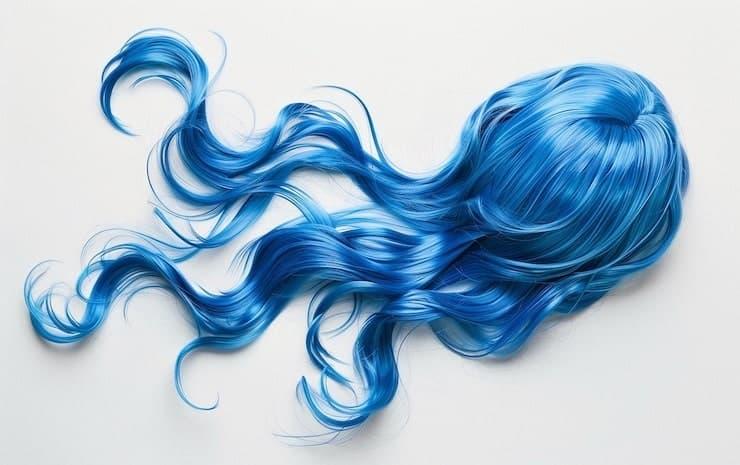
If you own an expensive wig, a custom human-hair wig, or a professionally colored synthetic piece, seek a licensed wig technician or stylist who specializes in synthetic fiber work. They will recommend products and techniques matched to the fiber type and color history of your piece.
In summary, the straightforward SEO-aware guidance for anyone asking can you bleach a synthetic wig is to avoid traditional bleaching and peroxide-based lift on plastics. Opt for less invasive color-depositing solutions, temporary sprays, or professional interventions. If you choose to experiment, proceed slowly, test thoroughly, document your steps, and maintain realistic expectations about color uniformity and fiber longevity.
Seek product manuals for "heat-resistant" synthetic dyes, manufacturer care guides for specific fiber brands (kanekalon, toyokalon), and professional wig forums that discuss coloration without structural degradation. Look for case studies from professional wigmakers who document their protocols and results.
A: Some fabric dyes formulated for polyester (poly dyes) can deposit color but often require heat that may damage many synthetic fibers. Only use brands and methods verified for your wig's fiber and always perform a test strand.
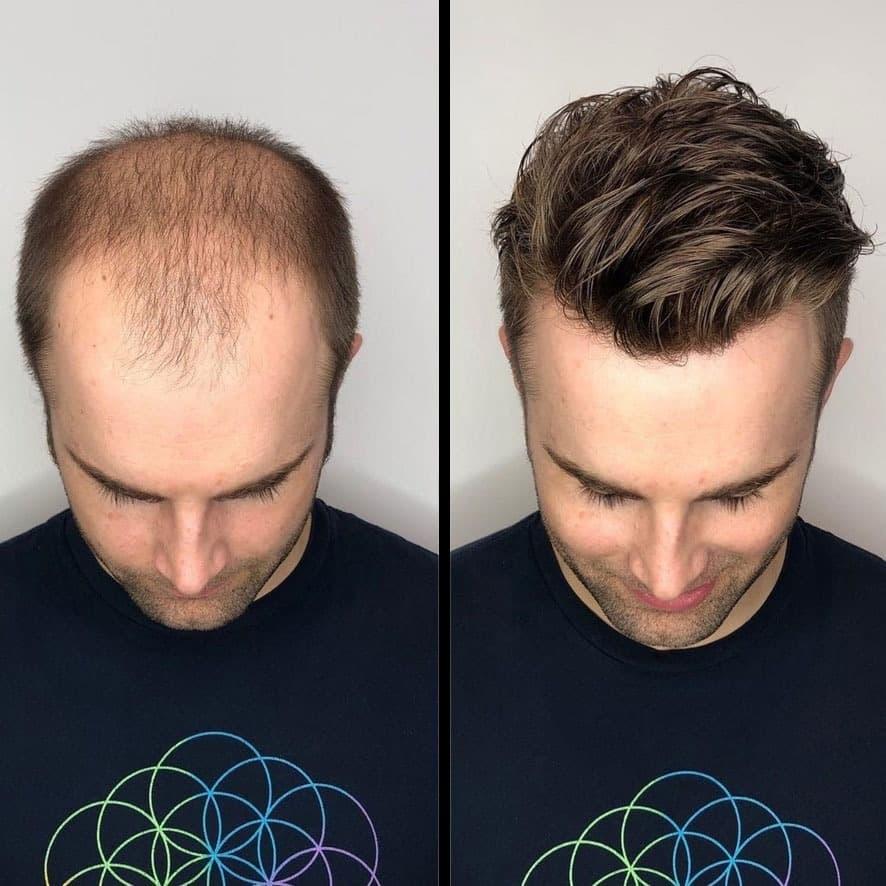 Q: What about lightening a synthetic wig with salon bleach?
A: Salon bleach is designed for keratin hair and is likely to damage synthetic fibers. It rarely produces a clean lift and often causes yellowing and brittleness.
Q: Are heat-resistant synthetics easier to dye?A: Heat-resistant fibers give you more options because they tolerate higher temperatures used during certain dye processes, but success varies by brand, and professional application is recommended.
Q: How can I get a lighter look without altering the whole wig?A: Consider adding lighter wefts, using temporary sprays or root shadows, or blending in lighter fiber pieces through ventilation for a controlled, subtle lightening effect.
By following cautious, documented methods and favoring non-destructive alternatives, you can achieve beautiful color effects without risking the integrity of your wig. This approach balances creativity with longevity and answers the persistent question: can you bleach a synthetic wig — with an emphasis on safer, more predictable solutions.
