
Understanding Whether You Can Change the Color of a Synthetic Wig: Practical Insights and Safe Options
If you've ever wondered can you dye a synthetic wig with regular hair dye, you're not alone. This common question comes up for hobbyists, cosplay fans, wig wearers and anyone considering a color refresh without replacing the entire piece. The short, practical answer is that standard salon or boxed permanent hair dye designed for human hair generally will not color most synthetic fibers in the same way it colors natural hair, but there are targeted alternatives and creative workarounds that can deliver reliable, vivid results. This guide explains why conventional hair color usually fails on synthetics, which products do work, how to approach color changes safely, and professional-level techniques to achieve the look you want without damaging a synthetic unit.
Why regular hair dye and synthetic fibers don't mix
The chemistry behind human hair dye relies on penetrating the protein structure of real human hair, oxidizing melanin, and depositing color molecules into the cortex. Synthetic wigs, however, are typically made from man-made polymers such as kanekalon, toyokalon, polyester-based fibers, or other heat-resistant plastics. These polymers have a slick, inert surface that does not allow the alkaline developer and ammonia-based dye molecules to penetrate. As a result, asking can you dye a synthetic wig with regular hair dye leads to a predictable explanation: regular hair dye usually won't bond or may only change the surface appearance slightly (and temporarily), often producing inconsistent or spotty outcomes.
Common outcomes when trying regular dye on synthetic hair
- Little to no lasting color change because the chemical reaction can't occur.
- Patchy, uneven tinting where only some strands or areas take up a tiny amount of pigment.
- Surface residue that can feel sticky or stiff and may ruin the wig's natural movement.
- Potential for heat or chemical damage if attempting aggressive techniques (e.g., applying developer or heat) on heat-sensitive synthetics.
Safe alternatives that actually work for synthetic wigs
Because standard hair dye is not formulated for plastics, it's best to explore alternatives developed for synthetic materials or non-penetrative coloring methods. Below is an organized list of options ranked by reliability, color range, permanence, and safety.
1. Fabric dyes for synthetics (Rit DyeMore and equivalents)
There are specialty dyes intended for polyester, nylon and other synthetic fabrics. Rit DyeMore, iDye Poly, and some industrial textile dyes are formulated to adhere to synthetic fibers when used with higher temperatures and the right technique. These products can produce deeper, more permanent color changes on many synthetic wigs than regular hair dye, provided the fiber type is compatible. Key tips: always follow the manufacturer's instructions, test a hidden swatch, and use controlled heat (often hot water) to help dye uptake. Note that not all synthetic fibers accept poly dyes equally; the result depends on fiber composition.
2. Permanent options: iDye Poly and disperse dyes
Disperse dyes are the go-to for polyester-type fibers. iDye Poly is a consumer-friendly disperse dye that requires high temperature to fix color. Professional textile dyes used in textile manufacturing are stronger and often require special procedures, but if you carefully follow safety guidelines they can yield consistent, full coverage results on appropriate synthetic units.
3. Acrylic inks, alcohol-based dyes and I.N.K. techniques
Many wig artists use diluted alcohol-based inks (e.g., re-inkers or permanent marker inks) applied in layers to color synthetic hair. These solutions sit on the fiber surface and can be blended for ombré or shaded effects. They are not always permanent in the same way disperse dyes are, but they offer excellent control for highlights, streaks, and artistic color work. Use solvents like isopropyl alcohol for dilution, and apply with spray bottles, brushes, or sponges for uniformity.
4. Fabric spray paints, temporary color sprays, and color-depositing conditioners
For temporary or removable color, aerosol sprays and color-depositing conditioners are safe and widely available. They work well for photoshoots, conventions, and short-term styling. They don't penetrate but cling to the surface and wash out over a few shampoos. They are an excellent low-risk choice if you want experimentation without commitment.
5. Professional re-coloring services and custom wigmakers
For expensive or high-value pieces, consider hiring a professional wig colorist. These experts can match shades, apply color evenly, and use industrial-grade dispersing dyes or painting techniques that are hard to replicate at home. They may also advise whether a unit is dyeable and what method will produce the best long-term result.
Step-by-step approach to dyeing a synthetic wig safely
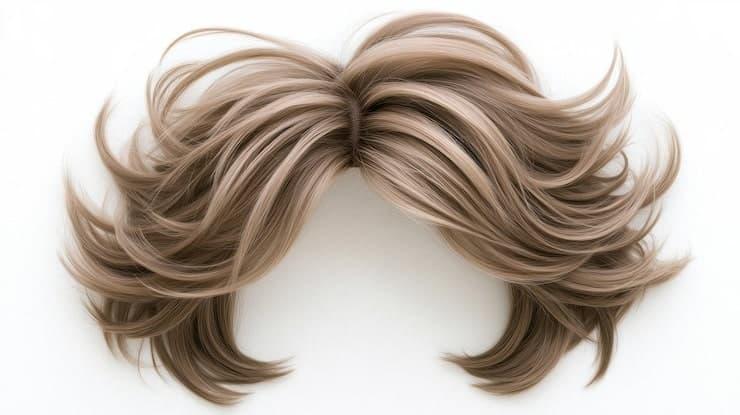
- Identify the fiber type: Before you begin, confirm whether your wig is heat-resistant synthetic, polyester, kanekalon, or a human hair blend. Labels, packaging, or vendor information can help. If unsure, perform a small strand test in an inconspicuous area.
- Choose the right dye: For polyester-based fibers select disperse dyes or iDye Poly. For surface techniques use alcohol inks or fabric spray paints. Avoid ammonia-based permanent hair dyes for straight synthetic fibers.
- Do a strand test: Always test on a hidden section to check color uptake, texture changes, and stability under styling conditions.
- Prepare a workspace and safety kit: Use gloves, ventilation, and protective coverings. Some textile dyes require heat—use controlled methods like a slow simmer in a pot dedicated to craft use, not cooking.
- Follow dye instructions closely: Temperature, time, and concentration matter. Overheating or incorrect timing can damage the fiber or leave uneven results.
- Post-dye conditioning and washing: After dyeing, rinse thoroughly until water runs clear and use a gentle wig conditioner to restore softness and detangle fibers.
- Style mindfully: If your wig is heat-friendly, verify heat limits before any hot-styling post dye. Many poly fibers have limited heat tolerance.

Practical tips for specific techniques
- When using disperse dyes in hot water, agitate gently and avoid boiling unless the dye instructions allow it; high agitation reduces spotting.
- For alcohol inks, apply in multiple thin layers and allow drying between passes to build saturation without streaking.
- For ombré or balayage effects, dip-dye the ends rather than saturating the root area for a natural gradient.
- If you're trying to darken the wig, color-depositing conditioners can gradually build shade without the risk of chemical damage.
- Lightening synthetic hair is usually impossible without specialized industrial stripping processes; you generally cannot 'bleach' synthetic fibers safely at home.
Maintenance after coloring
After you've achieved a new hue, maintenance is crucial for longevity. Use sulfate-free, gentle shampoos and wig-specific conditioners. Avoid high-alkaline products that could leach color. Store colored wigs away from direct sunlight to prevent UV fading and tangling.
Washing schedule and care
Limit washing frequency, and when you do wash, use cool water and a gentle hand. For surface-applied colors like alcohol inks, reduce rubbing and use color-safe products. If the dye is permanent (disperse dye fixed at high temperature), treat it similarly to a delicate synthetic garment.
Creative and low-risk strategies
If you remain hesitant to commit to a full-color change, try less permanent experiments first: color-depositing sprays, clip-in colored pieces, or temporary toppers. These allow you to preview shades, maintain the original piece and avoid the risk of irreversible changes.

Blend techniques for custom looks
Many stylists combine methods: disperse dyes for base tone, alcohol inks for highlights, and color-depositing sprays for finishing touches. This layered approach yields richer, multi-dimensional finishes that look more natural and are easier to control than forcing a single method to do everything.
Common myths and misunderstandings
A few common misconceptions crop up when people ask can you dye a synthetic wig with regular hair dye:
- Myth: Any hair dye will work if you leave it on longer. Reality: Time doesn't change the chemical mismatch between developer-based dyes and plastic fibers.
- Myth: Heat will make regular hair dye take on synthetics. Reality: Excess heat risks melting or warping fibers and usually still provides only minimal uptake.
- Myth: All synthetics can be dyed. Reality: Some blends and specially coated fibers are explicitly engineered to repel dyes to preserve factory colors and texture.
When replacement is the smarter option
Sometimes, replacing the wig with a new color or buying a custom-colored piece is the most cost-effective and lower-risk option. For inexpensive wigs experimenting is fine; for high-end labor-intensive units, replacement or professional recoloring is often safer and yields superior results.
How to choose a new colored wig
Look at fiber composition, buy samples if possible, and consult vendor swatches. Custom dye jobs from reputable wigmakers can be a worthwhile investment when you want a precise shade or complex highlights.
Summary checklist: deciding the best route
- Ask yourself: Is the wig cheap or valuable? Cheap wigs are good for experimenting; valuable wigs deserve caution.
- Identify fiber type: If it's polyester/kanekalon, seek disperse dyes; if it's a human-hair blend, conventional dyes may work on the human portion but not the synthetic part.
- Test first: Always do a strand test before applying to the whole unit.
- Prioritize safety: Use proper ventilation, gloves, and non-food equipment when handling dyes.
- Consider professionals for complex color work or expensive wigs.
Quick answer recap
In short, the question can you dye a synthetic wig with regular hair dye has a straightforward conclusion: generally no; regular human-hair dyes are not formulated to color synthetic polymer fibers effectively. However, with the right products — disperse dyes, specialized poly dyes, alcohol inks, and surface colorants — you can achieve beautiful, lasting changes while minimizing damage. The method you choose should depend on the wig's material, the permanence you need, and the amount of risk you're willing to accept.
Whether you're prepping a cosplay look, updating a fashion piece, or saving money by recoloring instead of repurchasing, understanding compatibility and technique will guide you to a satisfying outcome. Use testing, patience, and the proper dye family for best results.
FAQ
- Q: Can I use boxed hair color on a wig labeled 'heat-resistant'?
- A: Even heat-resistant synthetic wigs are still polymers; boxed hair color designed for human hair usually will not bond to those fibers. If the wig contains a human-hair blend, the human portion may accept dye, but the synthetic strands will not. When in doubt, test a hidden section or consult the vendor.
- Q: How long will alternative dyes last on synthetic wigs?
- A: Disperse dyes and industrial poly dyes can be long-lasting when fixed properly and cared for, often comparable to dyed synthetic fabrics. Surface methods like alcohol inks or sprays are less permanent and may fade more quickly with washing and UV exposure.
- Q: Can I lighten a dark synthetic wig?
- A: Lightening dark synthetic fibers at home is generally not possible. Bleaching processes used on human hair do not work on most plastics and often damage the texture. The practical solution is to buy a wig closer to the desired shade or consult a professional who might apply surface color to mimic lightening.