If you've ever asked yourself can i dye a human hair wig, you're not alone — many wig wearers, stylists and beauty enthusiasts want to customize shade, correct tone or refresh a secondhand piece. Human hair wigs behave like natural hair in many ways, which means they can be colored, lightened, toned and styled with the same products professionals use, but they also have unique constraints due to construction, cheaper base materials, and lack of full hair health from scalp oils. This guide covers professional techniques, safe approaches, product choices, step-by-step instructions, troubleshooting, and long-term aftercare so you can decide whether to dye, how to plan, and which methods to avoid.
Short answer: yes, but with caveats. The viability of dyeing depends on the wig's quality, base color, fiber type, and your tolerance for irreversible changes. Most high-quality human hair wigs accept permanent and semi-permanent color well; cheaper pieces may have been processed at the factory and can react unpredictably. Before attempting any full-head color transformation, consider a strand test and, if you are not an experienced colorist, consult a professional wig-friendly salon.

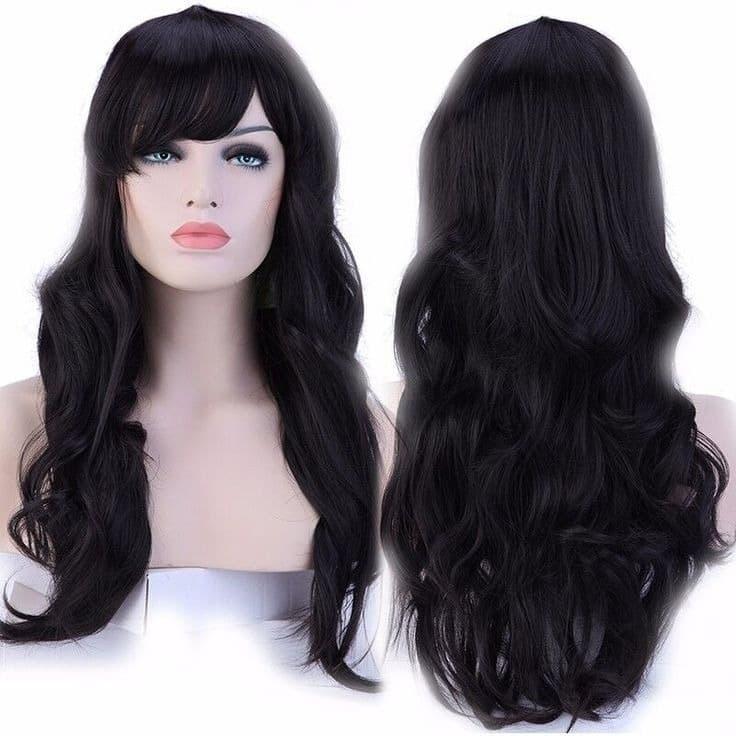
Preparation is crucial. Collect a non-metallic basin, old towels, quality color brush and bowl, gloves, protective cape, plastic clips, a fine-toothed comb, sulfate-free shampoo and protein-rich conditioner. Work in a well-ventilated area and protect surfaces. If you plan to dye a lace-front wig, always test how dyes interact with lace adhesives; some formulas can weaken adhesives or discolor lace. Use a wig stand or mannequin head to stabilize the piece and ensure even application, and never dye the wig while it's still attached to your head unless done by a seasoned pro.
Begin with a small, hidden section at the nape or under a weft. Record timing, developer volume, temperature and results. This test helps you decide whether the color chosen behaves as expected. When asking "can i dye a human hair wig" the fastest way to reduce risk is to perform this test, then proceed only if results meet your expectations.
Wash gently with a clarifying-but-gentle shampoo to remove oils and product build-up that could create uneven color absorption, but avoid deep conditioning immediately before dyeing. The hair should be free of heavy silicones; a light pre-color rinse is ideal.
If you're going darker or changing tone without significant lightening, use demi-permanent or permanent color with appropriate developer. To go lighter, you'll need a lightener; multiple bleaching sessions may be necessary for very dark hair. Aim for the minimum effective lift to reach your target shade.
Apply color evenly from roots to tips. For machine-sewn wigs, lift hair in consistent subsections to work through the density. For lace-fronts, protect the lace with petroleum jelly or a specialized barrier if using harsh chemicals near the hairline. Work quickly; don't leave color on longer than recommended by manufacturers. Use a comb to ensure saturation and avoid pooling at the base, which can create dark bands when rinsed.
Consider these product types: permanent ammonia-free formulations for reduced odor; high-quality demi-permanent dyes for toning and mid-tone shifts; professional lighteners with bond-protecting additives for safer lifting; and deposit-only color glazes for vibrancy without lift. Look for labels that state suitability for weaves/extensions/wigs; some lines include conditioning agents tailored for processed hair. If longevity is essential, permanent dyes will hold color longer, but require thinned developer choices and sometimes pre-lightening.
Common developers range from 10 vol (3%) to 40 vol (12%). For deposit-only color on lighter bases, 10 vol is usually adequate; to lift one to three levels, 20 vol is common; anything above should be reserved for professionals because risk of damage and breakage increases significantly. On wigs, because you are not treating a scalp, developers may behave slightly differently — heat and processing times matter more. Always follow manufacturer recommendations and prefer slower, safer lifts.
Not ready for full chemical processing? Try these safer techniques: semi-permanent color rinses that wash out gradually; color-depositing conditioners for tone refreshes; direct dyes (temporary chalks or sprays) for one-day changes; or clip-in colored wefts and hairpieces to add highlights without altering the wig. Balayage-style painting with semi-permanent color can create dimensional, lower-maintenance results and spreads chemical exposure across the length rather than concentrated bleach.
If you're aiming for dramatic lifts (e.g., from dark brown to platinum), complex multidimensional color, color corrections, or you own an expensive wig, book a salon appointment that explicitly lists wig coloring or extension services. A trained colorist will assess fiber condition, select compatible products, and sometimes perform gentle bond-repair treatments (like Olaplex, Bond Multiplier systems, or equivalent) to protect keratin bonds during lift.
Color maintenance for dyed human hair wigs involves specialized care: use sulfate-free, color-safe shampoos and conditioners; wash less frequently to extend longevity; detangle gently with a wide-tooth comb; air-dry on a wig stand when possible; and minimize heat styling. Incorporate deep-conditioning masks periodically and use UV protectant sprays to guard against fading from sunlight. Store wigs on stands or hooks and cover them to prevent dust and friction which accelerate color fade.
To refresh a faded dye, you can use color-depositing masks or salon toners. For significant fade or brassiness, a gentle color- depositing treatment or professional glaze can restore tone without re-bleaching. Never repeatedly bleach to achieve tone; instead, seek re-toning or re-dyeing strategies that preserve fiber integrity.
How long your color lasts depends on product choice, wear frequency, exposure to heat and sun, and care regimen. Permanent dyes can last many weeks but may show fading after 4-8 weeks; demi-permanent will fade faster. For daily wearers, expect more frequent refreshes. Incorporating low-sulfate cleansers and cold-water rinses prolongs pigments.
Dyeing a human hair wig is an investment: products, salon labor, and potential future repair all add cost. If your wig is a valued or rare type of human hair (e.g., Remy, unprocessed), consider the impact on resale value. Some collectors prefer original unaltered pieces. On the other hand, a personalized color can make an affordable wig feel bespoke and extend its useful life if done correctly.
Popular options include sunkissed balayage, root shadowing for low maintenance regrowth appearance, pastel overlays for fun color without heavy lift, and multi-tone ombré for depth. For subtle changes, toner glazes and demi-permanent color refreshers produce natural-looking enhancements without aggressive chemistry. For bolder looks, blend clip-in colored wefts or have a pro hand-paint the wig with direct dyes and seal with glaze.
Many modern wigs combine human hair with heat-friendly synthetic fibers. These blends may not be suitable for traditional dye chemistry; synthetic fibers often cannot be dye-absorbing and can remain their original color while human hair portions change. If you suspect a blend, test a hidden strand or check product specifications before applying any chemical color.
Yes — can i dye a human hair wig is a valid question with a mostly affirmative answer. With the right preparations, product selection, and realistic expectations, dyeing is feasible and often rewarding. The best outcomes come from conservative approaches, performing tests, and seeking professional help for major tonal shifts. Prioritize the wig's condition over the speed of change: preserving fiber health extends both appearance and longevity.
Don't attempt dyeing yourself if: the wig is extremely fragile, you lack experience and need a dramatic color shift, or the lace cap has adhesives that could melt or stain. In these cases, seek a specialist.
Weekly routine: wash 1-2 times weekly using color-safe shampoo, deep-condition once weekly, apply leave-in UV protectant before outdoor exposure, avoid daily heat where possible, and store properly on a stand when not in use.
Ask about bond-building systems, suggested developer strengths, recommended toner shades for your targeted finish, and whether the salon will perform a test strand and lace compatibility check. Mention that the piece is a wig so the colorist can adapt techniques accordingly.
Dyeing a human-hair wig can be a creative and rewarding way to personalize your look. By treating the process thoughtfully — testing, using professional-grade materials, considering safer alternatives, and practicing careful aftercare — you can achieve beautiful, long-lasting results. Remember the guiding question can i dye a human hair wig and use the guidance above to make safe, informed choices that protect the investment in your wig while achieving the style you want.
