If you've ever wondered "can you tease a synthetic wig without damaging it," you're not alone. Synthetic fibers react differently than human hair, so the methods used for adding lift and long-lasting volume need to be adapted. This comprehensive, step-by-step guide covers gentle, heat-free techniques that create natural-looking fullness while protecting your investment. Whether you're new to wig styling or a seasoned wearer looking for safer volume options, the following strategies, product recommendations, and troubleshooting tips will help you achieve salon-worthy results without steamers, curling irons, or backcombing that tears fibers.
Before answering the central question — "can you tease a synthetic wig?" — it's important to understand how synthetic hair is made. Unlike human hair, synthetic strands are heat-sensitive and often coated with finishes to maintain shape. Aggressive backcombing, using fine-toothed teasing brushes, or applying excessive tension can fray the ends, loosen wefts, or create permanent matting. That said, volume-building is possible if you use the right tools and techniques designed for synthetic textures.
Gather these items before you start: a mannequin head or wig stand to secure the wig, wide-tooth comb, loop brush or paddle brush with soft bristles, small Velcro rollers or foam rollers in varying diameters, lightweight volumizing mousse or spray suitable for artificial fibers, a spray bottle with water (or a 50/50 mix of water and synthetic-safe conditioner), and a loose-tooth teasing comb for minimal, targeted lifts. Keep a fine-point tail comb only for sectioning rather than aggressive teasing.
Place the wig on a stable stand or mannequin head and secure it with wig clips or pins. Working on a stable base minimizes tugging and accidental damage.
Synthetic fibers respond well to controlled moisture. Lightly mist the roots and mid-lengths with your spray bottle; do not soak. This increases manageability and reduces static, making gentle volumizing techniques more effective.
Divide the wig into horizontal sections: nape, mid-length, crown, and front. Use gentle clips to hold sections in place. Small, consistent sections ensure balanced volume and prevent overworking any area.
Roll small sections at the root onto Velcro or foam rollers, rolling toward the scalp to create root lift. For subtle volume, choose medium-sized rollers; for dramatic body, use smaller rollers at the crown. Allow to set until dry — air drying is ideal, or use a fan for speed. Rollers create a natural root-lift without teasing fibers aggressively.
If you want the appearance of teased hair without shredding fibers, try these alternatives: loop brushing, where a loop brush is pushed gently inward toward the roots then smoothed over; or "root patting," where you lift small sections at the base and tap with your fingers to add texture. When you do use a teasing comb, limit to tiny spots and use a very soft touch. Always smooth with a soft bristle brush after teasing to blend and reduce harsh knots.
After achieving the desired shape, apply a lightweight synthetic-friendly volumizing spray or mousse sparingly at the roots. Use a spray that states "safe for synthetic wigs" to avoid chemical build-up. A focused mist at the base followed by a gentle hold with a synthetic wig hairspray will help maintain volume.
Allow any damp areas to air dry completely on the stand. Once dry, remove rollers carefully by unrolling them toward the ends. Use your fingers to separate and lift — avoid brushing vigorously. Finish with a final, light mist of flexible-hold spray for longer-lasting body.
For layered textures, create hidden root padding using soft foam inserts or a small bun of wig-friendly padding taped with wig tape underneath the crown area. These subtle lifts are invisible but add impressive structure. Another approach is to build volume via internal styling: repositioning wefts, sewing soft netting underneath the wig cap, or using clip-in toppers and padding pieces to enhance density at strategic points. While these are more technical, they allow significant lift without touching fiber integrity.
Avoid harsh bristle brushes and metal combs designed for human hair; these can roughen synthetic fibers. Never use high-heat tools unless your wig is specified as heat-safe, and even then keep temps low and test on a hidden section. Don't pile product on — synthetic hair can become sticky and heavy, which kills volume faster than anything. Lastly, be gentle when detangling knots near the roots; use a drop of silicone-based synthetic conditioner sparingly to ease stubborn tangles.
Look for labels that specifically say "for synthetic wigs" or "safe for synthetic fibers." Lightweight foams, salt sprays formulated for synthetic hair, and flexible-hold hairsprays work best. Avoid alcohol-heavy formulas that dry fibers and brittle sprays that cause flaking. A small bottle of silicone-based detangler is invaluable for gentle smoothing without stripping shape.
If your wig needs structural changes — layering, thinning, or reshaping at the crown for natural lift — seek a stylist experienced with synthetic wigs. Professionals have sewing, cutting, and hand-tying skills that can deliver built-in volume solutions, such as graduated layers or internal padding, that eliminate the need for frequent teasing and extend the life of your piece.
If your volume falls flat after wearing or storage, try rehydrating the roots with a light mist, roll small root sections onto foam rollers and allow to air set, then finish with synthetic-safe spray. For stubborn flattening, a gentle scrunching motion while holding roots upright can help rebuild body. Remember: patience and small adjustments beat aggressive backcombing every time.
Yes. High-quality heat-resistant synthetics may tolerate more styling options than basic acrylic blends, but both benefit from no-heat, low-tension techniques. If in doubt, refer to manufacturer care guides and conduct small tests in inconspicuous areas.
Reuse soft foam rollers and choose water-based, biodegradable styling mists to reduce waste. Create DIY root padding from breathable fabric scraps instead of buying multiple accessories. Routine gentle care extends synthetic wig life and reduces turnover, which is both economical and better for the environment.
Familiarize yourself with terms like root lift, backcombing alternatives, air-set techniques, synthetic-safe volumizer, and cap preservation. Using these phrases consistently when documenting your styling process or searching for product recommendations will yield better-targeted results online. For example, searching for "teasing a synthetic wig without heat" or "can you tease a synthetic wig safely" will surface guides and product recommendations that align with the no-heat approach.
Pack a small kit: a travel-sized synthetic-safe hairspray, a few mini foam rollers, a small wide-tooth comb, and a spray bottle. These essentials let you refresh volume discreetly when traveling or after removing headwear.
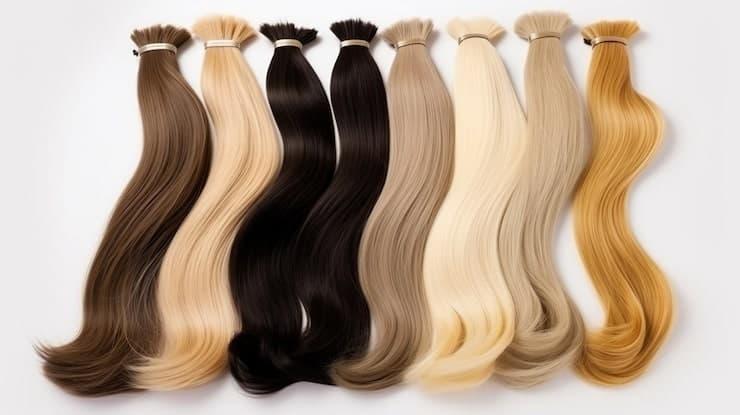
While you can achieve significant lift, remember that synthetic wigs with very fine or low-density caps will have limitations. Strategically placed rollers, layering, and internal padding can enhance perceived thickness and bounce, but they won't replicate a higher-density wig. For maximum permanent volume, consider upgrading to a denser base or adding clip-in volumizing wefts.
The short answer to whether can you tease a synthetic wig is: yes, but with caution. Pure, aggressive backcombing is not recommended; however, by using creative, heat-free alternatives and following safe styling principles, you can achieve enviable volume that lasts without compromising the wig's longevity. Protect the fibers, prioritize gentle methods, and build volume through rollers, root lifts, and subtle padding for the best long-term results.