If you own a human-hair wig, you know how frustrating lingering odors can be. Whether the source is sweat, smoke, product buildup, environmental smells, or improper storage, learning reliable cleaning and freshening methods is essential. This guide focuses on practical solutions and proven DIY approaches that answer the core question many users type into search boxes: how to remove smell from human hair wig. Below you’ll find fast fixes, step-by-step deep-clean routines, preventative care, and safety tips to keep your wig smelling fresh without damaging the hair or altering the color or texture.
Understanding causes helps target the treatment. Odors form when oils, salts, sweat, airborne particles, smoke, and product residues accumulate on the strands and within the cap. Bacteria and mildew can grow if the wig is stored damp or in poor ventilation. Also, heat styling with dirty wig fibers seals smells in. Knowing this makes it easier to choose an appropriate deodorizing strategy and prevents repeated problems.

For stronger or persistent odors you’ll need a thorough wash. Follow this safe routine to avoid tangling, color loss, or fiber damage.
Try one of these gentle, home-friendly mixes to deodorize without harsh chemicals. Always spot-test to ensure no color change or texture alteration.
Specialty wig shampoos, odor-eliminating sprays, and UV sanitizers can be useful when DIY methods fail. Look for products formulated for human hair, sulfate-free, and color-safe. Anti-odor sprays often contain odor absorbers and light fragrances; use them as a finishing touch, not the primary cleaning method.
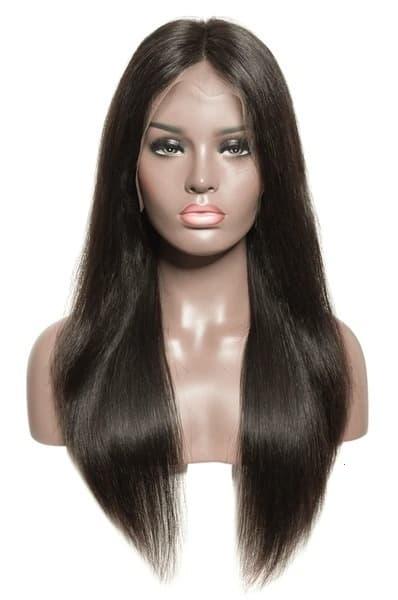
Prevention beats repeat deodorizing. Follow these best practices: store wigs on breathable stands or in ventilated boxes, avoid plastic bags that trap moisture, keep away from smoke and strong cooking odors, remove wigs after exercise and wash or air them promptly, and limit heavy oil-based products on the wig cap. Regular light cleaning and proper drying keep odors at bay.
Human hair wigs tolerate heat styling, but dirty fibers or product buildup can trap smells and get sealed by styling heat. Clean before applying high heat. Use low-medium heat, heat protectant sprays made for wigs, and always ensure the wig is completely dry before storing. Avoid exposing the wig to steam or humidity immediately after styling as trapped moisture can lead to mildew smells.
Light wear: Air out after each use and wash every 8–12 wears.
Moderate wear (daily styling or frequent heat/sweat): Wash every 4–6 wears.
Heavy exposure (smoke, heavy sweating): Clean within 1–3 wears to prevent persistent odors and bacterial growth.
If your wig is colored or processed, always test any deodorizing treatment on a small hidden area. Acidic rinses like vinegar can strip some dyes if used concentrated, so dilute and limit contact time. When in doubt, use specially formulated wig shampoos and fragrance-free neutralizers recommended for colored human hair.
When you’re on the go and need a quick refresh: keep a mini bottle of diluted vodka spray, a small sachet of baking soda, and a travel wig brush in your kit. Air the wig in a hotel bathroom with the fan on, or use a hotel iron on low to steam out minor smells (keep a protective cloth between steam and wig). Pack wigs in breathable bags to avoid trapping odors.
Sometimes, persistent odors indicate fiber degradation, accumulated damage, or an unrecoverable bacterial/mildew situation. If thorough cleaning, enzyme treatments, and multiple deodorizing cycles fail to restore a neutral scent, consider professional cleaning or replacement. Keep track of how the wig responds over several cleaning cycles to make the right call.
For wig longevity and consistent freshness, adopt this routine: daily airing on a stand, weekly light brushing and spot-cleaning, monthly deep wash (or more often with heavy use), and always fully dry before storage. Use how to remove smell from human hair wig techniques above as part of the plan rather than ad-hoc fixes—consistency protects both scent and structure.
Important Safety Note: Do not mix cleaning chemicals (for example, ammonia and bleach). Avoid leaving acidic or alcoholic solutions on fibers longer than recommended. When using enzyme cleaners, follow label instructions to protect lace and cap materials.
To maximize SEO value for searches related to how to remove smell from human hair wig, this article intentionally reiterates practical steps, trusted home remedies, and professional options so readers can find immediate, safe solutions and long-term maintenance strategies. Use the headings above to jump to the section you need and bookmark the step-by-step deep-clean routine for reference.
Rotate wigs to reduce continuous wear, avoid heavy oil-based styling products near the nape and cap, and use breathable storage containers. A few drops of essential oil on a small cloth kept near (not touching) the wig can add a light pleasant scent without leaving residue. Most importantly, address odors early—prompt airing and spot treatments often prevent the need for stronger methods.
A: No—strong household disinfectants can dry and damage human hair fibers and the wig cap. Use diluted isopropyl alcohol solutions, vodka, or products specifically labeled safe for human hair wigs. Always spot-test first.
A: Thorough washing with baking soda or enzymatic cleaners plus repeated airing and vinegar rinses often removes smoke smell. For very heavy exposure, multiple cleanings or professional cleaning may be necessary.
A: Mildew requires full drying, a deep wash with shampoo and baking soda, an enzyme treatment if available, and a vinegar rinse. Ensure complete drying on a stand and improve storage ventilation to prevent recurrence.
