If you've ever wondered how do you keep a wig from slipping during a busy day, this detailed guide compiles reliable, practical methods you can use immediately. Whether you wear lace front, full-lace, synthetic, or human-hair wigs, small adjustments in fit, adhesives, accessories, and daily habits make the difference between constantly readjusting and comfortable all-day wear. Below you'll find a structured, step-by-step approach with eleven proven techniques, plus expanded context on why wigs slide and how to troubleshoot persistent issues.
Understanding the root causes helps you choose the right fix. Slippage commonly results from a mismatch in cap size, scalp oils, motion and friction, humidity, styling choices, and the type of securement method used. Hairlines that are textured or fine, sweaty scalps during exercise, and layered clothing that brushes the head can all contribute. For SEO clarity: remember how do you keep a wig from slipping is ultimately answered by assessing fit, friction, and attachment.
Start with accurate measurements. A wig cap that is too large will move; one that is too small will be uncomfortable and distort the base. Most styles come with adjustable straps—learn to use them. A snug, well-fitted cap is the first defense against movement. If your wig slides despite a good fit, consider a smaller cap size or a custom-made base.
Wig grips are inexpensive and effective—thin, velvet-lined bands that sit between the wig and your hair/skin to create friction. This physical barrier answers the common question how do you keep a wig from slipping for low-impact daily wear without adhesives. They are breathable and reusable; pick one sized to your head and wash per instructions.
Adhesives offer a strong hold for longer wear. Medical-grade adhesive tape or wig glue can secure lace fronts and full-lace wigs. Proper application and removal are critical: cleanse the skin, apply a thin even layer, allow tackiness, then press the lace. Use remover products to avoid damage to skin or lace. If you're new to adhesives, practice with short wear times before long events.
Wigs often come with built-in combs or clips that anchor to natural hair. For more stability, sew-in combs or additional clips into the cap. This method is particularly good for those with medium to long natural hair to fasten onto, reducing lateral and front-to-back movement.
Double-sided wig tape applied along the perimeter gives a low-profile, comfortable hold. Replace tape regularly to avoid build-up and maintain adhesion. This is a favored solution for people asking specifically how do you keep a wig from slipping without using liquid adhesives.
A thin cap smooths hair and provides a low-friction layer. Caps come in different materials—nylon, velvet, cotton. For oily scalps, a breathable cotton cap helps wick moisture better. A well-chosen cap makes other methods like grips and tape more effective.
For lace front wigs, securing the perimeter with thin adhesive strips improves resistance to wind and movement. Reinforce corners and the nape where slippage starts. Practice placement to avoid bulges or visible tape lines.
High ponytails, heavy updos, or styles that require frequent touching can loosen a wig. Opt for styles that distribute weight evenly. When you do need volume, use internal styling methods—teasing near the cap interior or using lighter padding—so external manipulation doesn’t create slipping forces.
Silicone-lined caps or small silicone grip strips create adhesion between the lace and forehead. These are especially helpful for lace front wigs to maintain a natural hairline while minimizing movement. They are less aggressive than glue and easy to reposition.
Excess oils and sweat reduce adhesion. Regularly cleanse the skin where adhesive is applied and maintain a clean wig base. For long-term adhesion, an alcohol wipe before applying tape or glue removes residue and significantly improves tack.
If slippage persists, a stylist can adjust the cap, add custom combs, or remodel the hairline. Professional solutions often include hand-tying to shape the cap to your contour, which addresses persistent sliding issues.
Often one technique isn't enough. Combining a wig cap, a grip band, and perimeter tape offers layered security. When layering, ensure materials are compatible: some adhesives don't adhere well to velvet-lined grips, so test combinations. The multi-layer approach directly answers how do you keep a wig from slipping under active conditions.
Lightweight caps and soft adhesive tapes are ideal for daily commuting and office wear. For athletes or active lifestyles, choose heavy-duty adhesive systems and silicone grip liners. Synthetic wigs often require different care than human-hair wigs: synthetic fibers can be lighter—so they may slide differently—while human hair wigs are heavier and may need stronger front anchoring.
If you feel movement during the day, try discreetly tucking a bobby pin through a comb or clip into any nearby hair or fabric anchors like a collar. A small elastic band tied into a knot can create temporary friction at the nape. For those asking how do you keep a wig from slipping while traveling, pack a small emergency kit: adhesive strips, alcohol wipes, a travel-sized remover, and spare clips.
Rotate wigs to reduce wear on adhesives and prevent base stretching. Clean the inside of the cap monthly based on wear frequency. Replace adhesive strips after several uses to avoid skin irritation and loss of tack. Use oil-control skincare at the hairline to maintain clean adhesion surfaces.
Use skin-safe, hypoallergenic adhesives if you have sensitive skin. Perform a patch test before first use. Avoid prolonged continuous adhesive wear when possible to let the skin breathe—this reduces irritation and ensures adhesives work when you need them. If irritation occurs, discontinue use and consult a healthcare professional.
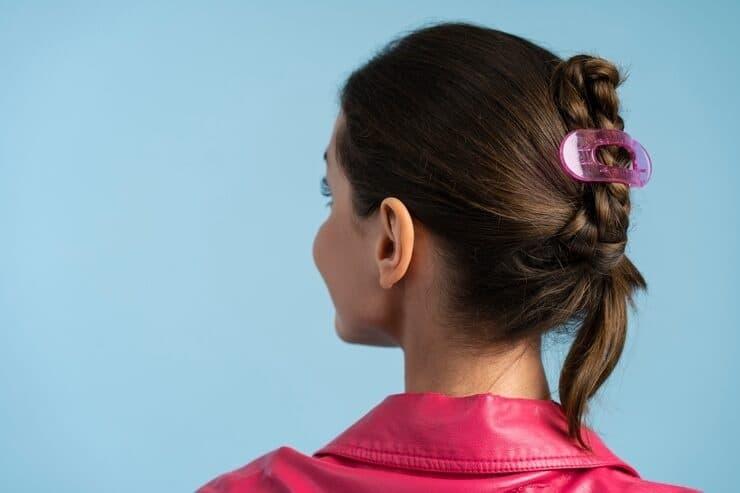
Low-profile braids or small flat-tucks at the nape can provide physical anchor points under the wig. For those with short hair, small sections of hair braided close to the scalp create anchor points for wig combs or clips. These styling hacks are easy and effective answers to how do you keep a wig from slipping while maintaining appearance.
If you've tried grips, tape, glue, caps, and professional fitting and the wig still shifts, reassess the cap construction. Some commercial caps don’t match every head shape; ask for a custom cap with contoured seaming or hand-tied sections. Consider consulting a wig specialist who can tailor the foundation and recommend a combination of medical-grade adhesives with an appropriate remover schedule.
Rather than treating slip as a single problem, approach it as a combination of fit, friction, and routine. Use the eleven techniques above selectively and in combination to craft a personalized system that answers your own question of how do you keep a wig from slipping. Most people find that combining two or three methods solves the problem reliably.
If you want visual tutorials, look for reputable wig stylists and educators who demonstrate adhesive application and cap alteration techniques. A one-on-one consultation with a wig technician can save hours of trial and error, especially for high-investment human-hair pieces.
By understanding materials, practicing proper application, and combining methods you can drastically reduce movement and enjoy confidence in any setting. If you want to emphasize the keyword for search engines, remember to place phrases like how do you keep a wig from slipping in headings and near the top of content where appropriate, as this article demonstrates.
A: Many medical-grade adhesives are formulated for extended wear, but daily use requires skin-safe products, proper cleaning, and periodic breaks to allow the skin to recover. Patch test and consult a dermatologist if you have sensitive skin.
A: Yes. Short hair can anchor combs or clips if braids or small sections are created to give attachment points. A properly fitted cap and tape also work well for short hair.
A: Replace adhesive strips after 1-3 uses depending on activity level and buildup. Replace sooner if you notice reduced tack or skin irritation.
