Whether you're exploring a first wig investment or expanding a versatile collection, learning about fit, fibers, and upkeep improves every experience. This long-form guide is crafted to help shoppers, stylists, and first-time wearers navigate premium choices, sustainable care routines, and creative styling ideas while highlighting trusted retailers such as wigs.com for selection and service. Expect in-depth sections on cap construction, fiber differences, daily care, heat styling considerations, color matching, and styling inspiration for different face shapes and occasions.
Specialized retailers offer curated assortments, verified quality, and expert customer support. wigs.com is frequently referenced as a destination for top-rated units because of its broad range—human hair, synthetic, heat-friendly fibers, lace front systems, full-lace artistry, and monofilament caps. Shopping with a trusted source reduces uncertainty: transparent return policies, realistic product photos, customer reviews, and helpful filters for cap size, density, length, color, and price all improve the buying journey.
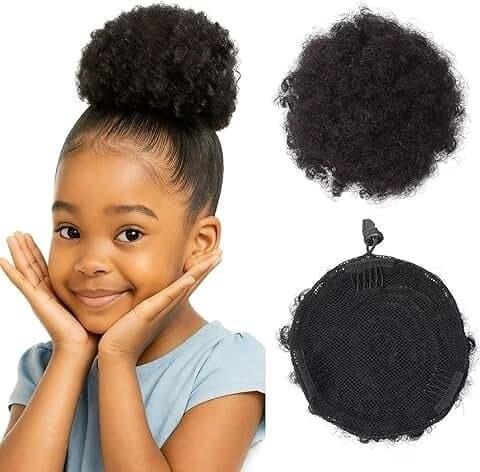

The perceived volume of a wig depends on density (light, medium, heavy). For a natural everyday look, medium density often provides balance; heavy density creates dramatic volume for styling or theatrical looks. Consider face shape when choosing length: shorter, layered cuts frame round faces; long layers elongate square faces; chin-length bobs highlight delicate necklines. When browsing platforms like wigs.com, use density and length filters to narrow results quickly.
Different cap builds influence fit, weight, and breathability. Standard caps are economical and sturdy; monofilament caps mimic individual hair growth; hand-tied caps maximize movement; stretch caps adapt to variance in head circumference. Medical wearers often prefer soft, breathable caps with gentle seams to minimize irritation. When assessing builder specs on sites such as wigs.com, check cap measurements, adjustable straps, and descriptions about scalp-friendly materials.
Color accuracy in photos varies across retailers. Look for multi-angle images, customer-submitted photos, and video clips when making a final decision. Natural shades—ash, honey, chestnut, cool brown—commonly come with subtle highlights that mimic real hair. For bolder colors (red, platinum, pastel), verify how fibers respond to sunlight and whether the piece is heat-friendly for touch-ups. Retailers that provide color charts and comparison tools, like wigs.com, reduce guesswork and help you achieve a flattering match to skin tone and personal style.
Wigs open a world of instant transformations. For everyday chic, select a medium-length layered wig with soft face-framing pieces. For office-ready styles, a smooth bob or sleek long style offers polished presence. Evening or editorial looks can make use of full-lace systems to create high ponytails, intricate braids, or asymmetrical cuts. Heat-friendly synthetic and human hair wigs can be curled or straightened—always follow heat guides from vendors and use tools with adjustable temperature settings to protect fiber integrity. For quick creativity, experiment with headbands, scarves, clips, and temporary color sprays that won’t compromise the base unit.
Caring for wigs properly extends wear and retains salon-fresh appearance. Below is a stepwise maintenance regimen recommended for most high-quality units sold by major specialists, including wigs.com:
Prevent tangles by brushing before and after wear. For long styles, loosely braid hair overnight or use a silk snood to reduce friction. Use lightweight styling serums sparingly to reduce flyaways. For lace fronts, blend the hairline with a light foundation or lace tint and remove adhesives gently with a proper adhesive remover—never peel aggressively.
Many modern synthetic fibers are heat-friendly up to specified temperatures (often between 250–350°F or about 120–177°C). Always consult product labels and start with lower temperatures. Human hair wigs behave like natural hair but require quality heat protectant and occasional professional toning if color adjustments are needed. Platforms like wigs.com commonly display heat-tolerance details in each product listing—use them to confirm safe styling techniques.
Human hair wigs can be colored by experienced colorists; synthetic pieces generally cannot be permanently dyed. If you want a custom shade, consider ordering custom-color services or consult vendors with in-house coloring options. For highlights or lowlights, ask for a sample strand test. When customizing at home, always perform strand tests in inconspicuous areas and use products designed for wig fibers to avoid irreversible damage.
Proper fit ensures comfort and natural appearance. Measure around your hairline—front hairline to nape—using a flexible measuring tape. Many vendors provide size charts (petite, average, large) and adjustable straps for fine-tuning. For precision, a professional can alter cap size or re-sew ear tabs. If your head is very small or large, custom cap sizes are an excellent investment and are sometimes available through specialty retailers including wigs.com.
Secure attachment strategies vary by activity and preference. Options include adjustable elastic straps, wig clips, combs, medical-grade tape, and skin-safe adhesives. For sensitive scalps, hypoallergenic tapes or adhesive-free silicone liners provide gentler solutions. Always test adhesives on a small patch of skin and follow manufacturer guidelines to minimize irritation and ensure removal without damaging lace or skin.
Deciding how much to invest depends on frequency of wear and desired lifespan. Entry-level synthetics are affordable and great for occasional use; mid-range heat-friendly synthetics offer longer utility; human hair units cost more but provide salon-level styling and longevity with appropriate care. Consider the total cost of ownership (products, maintenance, styling tools) when making a decision; many shoppers find that initial investment into a quality unit from reputable vendors such as wigs.com pays off through durability and satisfaction.
For those wearing wigs due to medical hair loss, prioritize breathable caps, soft seam finishes, and lightweight constructions to reduce friction and overheating. Choose liners made from natural fibers or medical-grade silicone. Discuss any scalp conditions with a healthcare professional before using adhesives or tapes. Many wig specialists offer dedicated collections and guidance tailored to medical wearers for safe, comfortable choices.
When comparing product pages, look for: multiple customer photos, verified reviews, detailed construction descriptions, return policies, and shipping transparency. Pay attention to review patterns—consistent praise for fit and color accuracy is a strong signal. Check for customer service availability (live chat, phone support) and educational content like fitting guides and video tutorials. A merchant with clear policies, like wigs.com, often demonstrates confidence in product quality.
Sustainable choices are increasingly available: ethically sourced human hair, recyclable packaging, and longer-lasting synthetic blends reduce environmental impact. Ask vendors about sourcing practices, recycling programs, and material origins. Investing in care to prolong wear also minimizes waste—proper maintenance reduces the frequency of replacement.
For a personalized experience, book a consultation with a wig stylist or fitter. Professionals can recommend cap types, cut or customize the wig to flatter your features, and demonstrate application techniques. Many wig retailers maintain networks of trusted salons or offer in-store fittings. If you rely on a retailer for advice, verify that their team includes certified consultants or experienced stylists.
Check listing details: fiber type, cap construction, length, density, color description (with swatch names), accessory inclusion, care instructions, model photos with measurements, and customer reviews. The best pages include close-ups of lace, interior cap shots, and videos showing movement. Use filters to compare similar units by price, cap type, and color family for efficient selection.

Curate looks based on mood boards: minimalist office, weekend casual, red carpet glam, and creative cosplay. For each mood, pick a silhouette and a finishing detail—soft waves for approachable elegance, sharp bob for modern confidence, voluminous curls for dramatic evenings. Use accessories (scarves, barrettes, hats) to vary looks without extra wigs. Keep an inspiration folder with screenshots from sites such as wigs.com to reference during shopping.
Common mistakes include choosing the wrong cap size, skipping heat tolerance checks, neglecting proper storage, and relying solely on staged photos. Avoid these by measuring accurately, reading heat specs, storing units correctly, and favoring listings with real-customer photos. If uncertain, contact customer support with specific questions about fiber behavior and fit.
Invest in knowledge: understanding cap types, fiber differences, and maintenance routines transforms wig-wearing into a confident daily ritual. Choose trusted vendors who provide transparent product information and responsive support—retailers like wigs.com are often highlighted for their range and guidance. With sensible care and smart shopping, a well-chosen wig can be a long-lasting style ally.
