If you're exploring options for a refreshed look or daily protective styling, this long-form guide helps you navigate the evolving landscape of unice wigs with confidence. The goal here is practical: to explain the most sought-after textures, top construction styles, fit and sizing, care routines that prolong lifespan, realistic expectations for color and density, and how real buyers evaluate value. Whether you're a first-time buyer or a seasoned wig enthusiast, you'll find sections designed to answer frequently asked questions and provide actionable steps to choose and maintain the best piece for your lifestyle.
Quality, variety, and consistent customer service are three main drivers that make unice wigs a go-to brand for many. Buyers report a wide range of lace options, reliable color matching, and an accessible catalog of lengths and textures. Because the market is crowded, this brand stands out for its combination of human-hair options, durable constructions, and competitive price tiers. Many purchasers also highlight trustworthy return policies and educational resources—both useful when you're deciding on a lace type, cap size, or hair density.
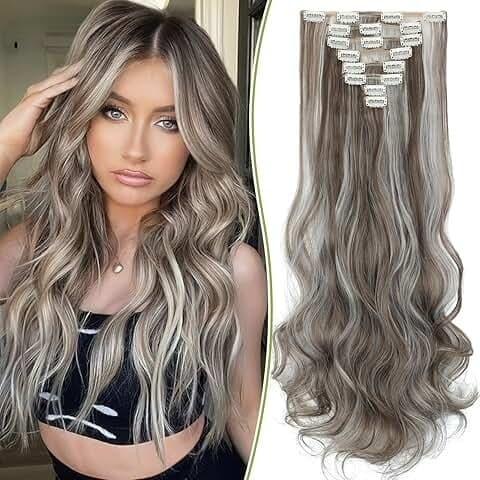
The style trends continue to be driven by social media and celebrity looks, and 2026 emphasizes natural texture, effortless movement, and low-maintenance finishes. When choosing a style consider: length (short bob vs. waist-length), texture (body wave, loose wave, deep wave, straight, kinky), density (light to heavy), and pre-plucked hairlines. Popular selections among buyers include:
Choosing cap construction and lace type is as important as selecting hair texture. Lace type affects how natural the hairline appears and how comfortable the wig feels, while cap construction influences ventilation and security.
Human hair types vary in processing and sourcing. Remy hair preserves cuticle alignment for reduced tangling and longer wear. Virgin hair is unprocessed and often lasts longer with proper care but is priced higher. When browsing unice wigs collections, look for clear labeling of source, processing level, and whether it's been dyed or chemically altered.
Choosing a color is more than aesthetics: it influences how often you'll need to touch up lace or refresh dye fades. Popular approaches include:
Density affects the fullness of a wig. Typical densities are 130% (natural look), 150% (fuller), and 180%+ (very full). Matching density to length is key: extreme lengths with low density can look sparse, while short styles with very high density can appear bulky. The parting style (middle, side, free part) also dictates how realistic the scalp looks; free-part caps allow you to move the parting for different styles.
Proper installation extends the life of a wig. Whether you choose glue/glue-less, tape, or clip-in methods, here are practical pointers:
Human-hair unice wigs can be styled with heat tools, but it's essential to use heat protectants and avoid excessive temperatures. Use sulfate-free shampoos, hydrating conditioners, and occasional deep conditioning to maintain softness and shine. For curly textures, a leave-in conditioner and curl cream help define pattern without weighing hair down. Synthetic blends are more limited with heat and often require lower-temperature tools or specialized products.
Establish a washing routine based on wear frequency. For daily wear, washing every 1-2 weeks is common; for occasional use, every 3-4 weeks may suffice. Key steps include gentle detangling, lukewarm cleansing, careful conditioning, and air drying on a wig stand to preserve cap shape and hair structure. Avoid rubbing hair aggressively and detangle from ends to roots.
Store wigs on stands to retain shape and keep lace flat. Use silk or satin bags to minimize friction during travel. If packing multiple wigs, keep them in separate breathable containers to prevent tangling. For long-term storage, lightly mist with a leave-in conditioner and secure hair with a loose wrap.
Pricing for unice wigs varies by hair type, length, cap construction, and customization. Entry-level synthetic or basic lace-front pieces are budget-friendly, while virgin human hair full-lace wigs with HD lace and long lengths demand premium prices. Consider how often you'll wear the wig and whether you prefer investing in a single high-quality piece or rotating multiple mid-range wigs.
Genuine buyer reviews often emphasize the following points: accurate color representation in product photos, comfortable cap fit, minimal shedding for human-hair pieces, and quick customer service response times. When analyzing reviews, look for verified-purchase notes and photos from real users to verify texture and length claims. Many customers also appreciate pre-plucked hairlines and baby hairs offered by the brand for a more natural installation.
Before you purchase, run through this checklist:
Always purchase through verified brand channels, reputable retailers, or authorized resellers to reduce the risk of counterfeit products. Look for secure payment options, clear return and refund policies, and prompt customer service. Many buyers also prefer stores that offer virtual consultations to help select the right size, density, and styling options.
Think about long-term upkeep: will you have time for regular care? Do you have access to a stylist who can customize the wig if needed? Double-check measurements, lace color compatibility with your skin tone, and whether additional accessories (wig glue, cap, combs) are included. Prioritize natural-looking hairlines and tidy cap finishes for the most realistic results.
| Pros | Cons |
|---|---|
| Wide texture selection, realistic lace options, and flexible pricing | Maintenance required for longevity; premium options cost more |
Key tactics: use heat protectant for daily styling, deep condition monthly, avoid sleeping in heavy product buildup, and switch to satin or silk caps for overnight wear. Regular inspections of lace and straps help you catch small issues early and repair before permanent damage occurs.
Detailed product descriptions, multiple clear photos from different angles, user-submitted images, verified-review badges, and explicit policy statements about refunds and warranty are all helpful trust indicators. Listings that include video demonstrations of the wig on different head shapes and skin tones are particularly informative.
Remy hair: Cuticles aligned in the same direction to minimize tangling.
Virgin hair: Unprocessed human hair with natural cuticle integrity.
HD lace: High-definition lace that blends closely with the scalp.
Density: The amount of hair on a wig measured in percentage (e.g., 130%, 150%).
Choosing the right unice wigs piece involves balancing aesthetics, comfort, maintenance commitment, and budget. Invest time in reading verified reviews, confirming return policies, and selecting lace and cap constructions that suit your lifestyle. With the correct care routine, many human-hair wigs can look fresh for a year or longer depending on frequency of wear and styling choices.
A: Select lace that most closely mimics your scalp hue; many buyers tint or use a light concealer for fine adjustments. HD lace often needs less customization due to its translucency.
A: Yes, but always consult a colorist experienced with wig hair. Virgin hair takes dye best; processed hair might not achieve the same results.
A: With proper care, a high-quality human-hair wig can last 1–3 years. Frequency of wear, care routines, and heat styling influence longevity.
Whether you prioritize a flawless hairline for photos or want a comfortable daily piece, this guide helps you make educated choices when evaluating options, care methods, and cost-to-value trade-offs for unice wigs. Make sure to research specific product pages, confirm cap measurements, and consult customer images to validate texture and color before finalizing a purchase.
