
If you've ever wondered how to wash synthetic wig without wig shampoo and bring back bounce and shine without buying specialty products, this long-form guide is made for you. The methods below focus on safe, effective, time-tested home-care practices for synthetic fibers. Whether you own a short bob, a long layered unit, or a fashion wig worn occasionally, learning precise, low-risk techniques helps lengthen wearable life and keep the hairpiece looking natural. Follow along with caution, test first on a hidden weft, and use the tips to build a routine that fits your usage cycle.
The materials used in synthetic pieces differ widely — heat-safe fibers, kanekalon, toyokalon, and other blends. Their care requirements are distinct from human hair, and overuse of harsh detergents, agitation, or heat can permanently damage texture and sheen. Understanding proper cleaning without wig shampoo reduces buildup from sweat, styling products, and environmental grime while minimizing fiber stress. This guide explains water temperature, gentle cleansers, conditioners, reshaping tactics, and storage practices so you can confidently renew an item without special retail shampoo.
There are several household substitutes that safely clean synthetic hair when used appropriately. The goal is a low-alkaline, residue-free solution that gently removes oil and dirt. Recommended options include:
Strongly recommended: remove tangles gently with a wide-tooth comb or a brush meant for synthetics before any water contact. Start at the tips and work toward the roots to minimize breakage.
Fill a basin or clean sink with cool water and add your chosen gentle cleanser: about one teaspoon of baby shampoo or an equivalent small cap of a mild, sulfate-free product per liter of water. Swish to disperse. The concentration should feel soapy but not foamy. Remember: the keyword function here is: if your search intent was how to wash synthetic wig without wig shampoo, this step clarifies alternatives.
Lower the wig into the basin, submerging the cap and fibers. Do not rub or twist; let the wig soak for 5–10 minutes. For wigs with heavy styling product buildup, allow up to 15 minutes, checking periodically. If you have a lace front wig or a glue residue, avoid soaking the lace for too long — a shorter soak and targeted spot cleaning is safer.
After soaking, lift the wig out and let water pass through it in the basin using a gentle swirling motion. You can move the wig through the water in a slow in-and-out motion, mimicking the action of a gentle rinse. This reduces tangling compared to scrubbing. If needed, press water through the fibers by cupping palms around the cap and moving from crown to ends — never wring or squeeze tightly.
Empty the basin and refill with fresh cool water. Submerge and rinse until water runs clear. Multiple rinses are often needed to remove all cleanser. If your wash used a slightly stronger agent, consider two fresh rinses to make sure no residue remains. For extra softness, mix a capful of fabric softener with the final rinse water (a weak dilution) and briefly submerge the wig for a minute; this helps relax fibers and reduce static. Rinse again quickly in cool water to remove excess softener if the smell or residue is noticeable.
For localized knots use a drop of gentle conditioner or a commercial leave-in spray designed for synthetic hair (if available). Apply a small amount to the knotted area and hold the fiber section between your fingers while working a wide-tooth comb from tip to root. For severe matting near the cap, patience and careful cutting of tiny problem fibers may be needed; if in doubt, consult a professional stylist experienced with synthetic wigs.
After rinsing, gently blot excess water with a clean towel. Never rub. Place the wig on a wig stand or foam head at room temperature to air-dry. To help fibers return to shape, reposition curls or waves with your fingers while the wig is damp — if the wig is heat-resistant, low heat styling tools might be used but always verify fiber tolerance before applying any heat. For synthetic wigs that have lost body, a spritz of diluted fabric softener or a commercial synthetic wig conditioner used sparingly can restore softness; again, rinse lightly if residue is heavy.
To extend time between full washes: use a light misting spray formulated for synthetic hair to reduce static and tangles, comb lightly after each wear, and store on a stand or in a breathable bag to prevent compression. Spot-clean visible soiling at the hairline with a damp cloth and a touch of mild cleanser. If you wear styling products, a quick rinse within 2–3 wears may be necessary to avoid buildup that dulls fibers.
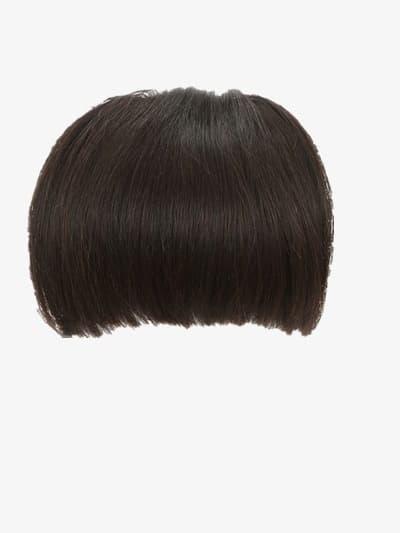
For older pieces that are dry or rough, a deep conditioning soak can help. Mix cool water with a small amount of hair conditioner designed for color-treated hair or a fabric softener dilution. Soak briefly (3–5 minutes), rinse thoroughly, then allow to dry on a stand. Use a silicone-based synthetic detangler spray very lightly to add sheen while preventing stickiness. If many fibers have fused or lost spring entirely, professional re-styling or replacement may be more cost-effective.
Color-tested fibers are usually stable, but for bright or vibrant dyes, do a small patch test before immersing the entire wig. Use a white towel under the wet section and pat a hidden area. If dye transfers, avoid water-based washes; consult a specialist. To reduce fading, wash only when necessary, keep out of strong sunlight, and use gentle, low-alkaline cleansers.

Store cleaned and completely dry wigs on a stand or inside a breathable container to preserve shape. Avoid plastic bags that trap moisture. Add a silica packet if humidity is a concern. Keep away from heat vents, direct sunlight, and areas with heavy dust or odors. If traveling, use a structured case that keeps the wig flat and protected, and tuck delicate edges between soft cloths.
Wash frequency depends on wear: for daily use, aim for every 7–14 days; for occasional wear, every 6–8 wears or as needed. Over-washing strips synthetic fibers of any factory finish that mimics shine, so balance cleanliness with preservation.
Using mild baby shampoo or a diluted gentle cleanser is cost-effective and reduces chemical waste. Fabric softener should be used sparingly due to scent carryover and potential residue. Reuse rinse water for preliminary soaking of visibly dirty accessories (not the wig itself) to conserve water, but follow hygiene and cleanliness standards.
If a wig has severe shedding, melted fibers, or stubborn adhesive residue on lace, contact a wig technician. They can perform repairs, restyle, or recommend replacement options. For vintage or high-value custom pieces, professional cleaning preserves value and avoids irreversible damage.
Summary: Learning how to wash synthetic wig without wig shampoo empowers you to maintain and extend the life of your synthetic hairpieces. With cool water, a mild cleanser, gentle handling, and proper storage, you can safely refresh fibers and keep styles looking polished for many wears.

Invest in a breathable wig stand, a silicone-friendly detangler, a wide-tooth comb, and a spray bottle for light conditioning mists. Label any homemade solutions with dates and ingredient ratios so you can replicate successful outcomes.
A1: White vinegar can be used sparingly in a very dilute rinse (a tablespoon per liter of water) to remove residue and add slight shine, but it must be followed by a thorough cool water rinse to avoid lingering odor. Do a patch test first.
A2: Baby shampoo is usually the safest household choice due to its mild, low-alkaline formulation. Test on an unseen area first and avoid repeated concentrated use that may build film over time.
A3: Ensure full drying, use a diluted fabric softener rinse sparingly, and air out on a stand in a well-ventilated space. For persistent odors, a brief soak with a small amount of baking soda in cool water followed by thorough rinsing can help, but test first and rinse repeatedly.
Final note: Always label DIY mixtures, keep a small log of what worked for each wig type, and rotate gentle techniques rather than aggressive cleaning. With patience and correct procedures you can maintain a natural look and extend the service life of synthetic hairpieces for months or years.
