For cosplayers and performance artists, maintaining the look and longevity of a character’s hairpiece is as important as crafting the costume itself. This comprehensive, beginner-friendly walkthrough focuses on safe, step-by-step procedures to clean and refresh synthetic and human-hair wigs while protecting color, style, and fiber integrity. Throughout this guide you will find practical tips, product recommendations, troubleshooting advice, and styling preservation strategies that all center on how to wash cosplay wigs properly at home.
Wigs accumulate sweat, oils, dust, and styling product residue. Left uncleaned, these contaminants dull fibers, accelerate tangling, and may fade or alter color over time. Knowing how to wash cosplay wigs—including choosing the correct cleansing agents, managing water temperature, and adopting gentle mechanical handling—helps preserve the look you spent hours creating.

Gathering the right tools streamlines the process and minimizes risk. For most home washes you'll need:
Before submerging any wig, follow these preparatory steps to limit damage:
Use a basin filled with cool or lukewarm water: hot water can deform synthetic fibers and strip dyes. If you use tap water with high mineral content, consider using filtered water for the final rinse to reduce potential mineral deposits.
Evaporate excess air from your shampoo bottle? No need. Add a small amount (about a teaspoon per liter for a typical wig wash) of a mild, sulfate-free shampoo and swirl gently to mix. Too much detergent can weaken synthetic fibers and dry out human hair.
Gently lower the wig into the basin, holding it at the base. Allow it to soak for 5–10 minutes—this time varies with how dirty the wig is. Avoid vigorous rubbing; instead, press the fibers gently with your palms to release grime.
For synthetic wigs: avoid scrubbing the cap or root zone to prevent tangling. Lift and press, then rotate the wig slowly in the water to help dislodge dirt. For human hair wigs: you may work the shampoo through the strands more thoroughly, but still avoid aggressive rubbing near the base.

Rinse under a gentle stream of cool water until the shampoo runs clear. Check the inner cap and hairline—residual shampoo can stiffen fibers and attract dirt. While rinsing, keep the wig oriented to minimize direction changes that cause tangles.
Apply a lightweight conditioner for human-hair wigs or a dedicated synthetic wig conditioner for synthetics. Leave it in for 2–5 minutes; do not apply heavy formula near the cap to avoid slick residue that loosens knotting. For color preservation, consider a color-safe conditioner or a diluted fabric softener rinse for synthetics (use sparingly: 1 part softener to 20 parts water).
Rinse with cool water. For extra shine and to help close the cuticle on human hair wigs, rinse with a cool water final pass. Some hobbyists add a splash of white vinegar to the final rinse (about a tablespoon per gallon) to clarify and boost shine—test on an inconspicuous strand first to ensure color stability.
Never wring a wig. Instead, blot gently with a microfiber towel or a soft cotton T-shirt to remove excess water. Place the wig on a wig stand or foam head to air dry. For faster drying, arrange a low-speed fan in the room; avoid direct sunlight which can fade pigments. Heat tools should be used only on heat-resistant fibers and always at the manufacturer’s recommended temperature.
Heat can reset styles on heat-friendly synthetic wigs and shape human hair. Use a blow dryer on a low heat setting with a diffuser for minimal stress. If you plan to curl or flat-iron, test a small hidden section at the lowest effective temperature. High and prolonged heat exposure risks irreversible fiber damage and color alteration.
Color fade occurs from friction, UV exposure, and harsh chemicals. To preserve hue:
Once dry, detangle from tips to roots using a wide-tooth comb. For synthetic wigs, use products designed for synthetics such as specialized spray conditioners or fiber revivers. For human hair wigs, treat them similarly to natural hair—heat protection spray, serums for split ends, and gentle styling tools.
If a standard wash doesn't clear heavy styling products, use a clarifying shampoo for a single wash, followed by a deep conditioning treatment for human hair or a restorative rinse for synthetics.
Work from ends upward and consider spray-in detanglers. For severe mats, apply a small amount of conditioner or silicone serum to the mat, let soften, then patiently comb. Avoid cutting unless you’re willing to alter the style.
If bleeding occurs during a test rinse, stop and treat as follows: rinse with cool water until clear, then apply a color-locking rinse (commercial products exist) or dilute white vinegar briefly to help set color. Reassess future washing frequency and switch to color-safe formulas.

Avoid soaking adhesive-laden areas. For lace fronts with remaining glue, use a specialized adhesive remover before any water exposure. Spot-clean the rest of the wig and rinse carefully around the lace to maintain tackiness if you plan to reapply glue later.
Rotate between a couple wigs instead of wearing the same piece daily. For storage, place clean, dry wigs on stands or in breathable wig bags to avoid dust traps. If you must store away, stuff the cap lightly to keep shape and prevent creases. Inspect before next use and refresh with a light spray of conditioning mist if needed.
Use: sulfate-free shampoos, silicone-free conditioners for human hair, silicone-based detanglers for synthetics where appropriate, color-protecting serums, and fragrance-free detergents to avoid residue buildup. Avoid: household detergents, fabric softener straight from the bottle (undiluted), bleach, and high-alcohol sprays that dry and brittle fibers.
1) Test all new products on a hidden strand. 2) Keep a portable wig brush for on-the-go minor fixes. 3) Use clarifying treatments sparingly to avoid stripping color. 4) When dyeing or adding highlights to human-hair wigs, do so before intensive use and always perform a colorfastness test.
Keep this short checklist handy when you next plan a clean: detangle → test strand for colorfastness → use cool water and mild shampoo → soak briefly → gentle press/rinse → apply appropriate conditioner → blot and air-dry on a stand → detangle and style lightly when fully dry. Repeating this routine helps maintain color, extend wearable life, and keep styling predictable.
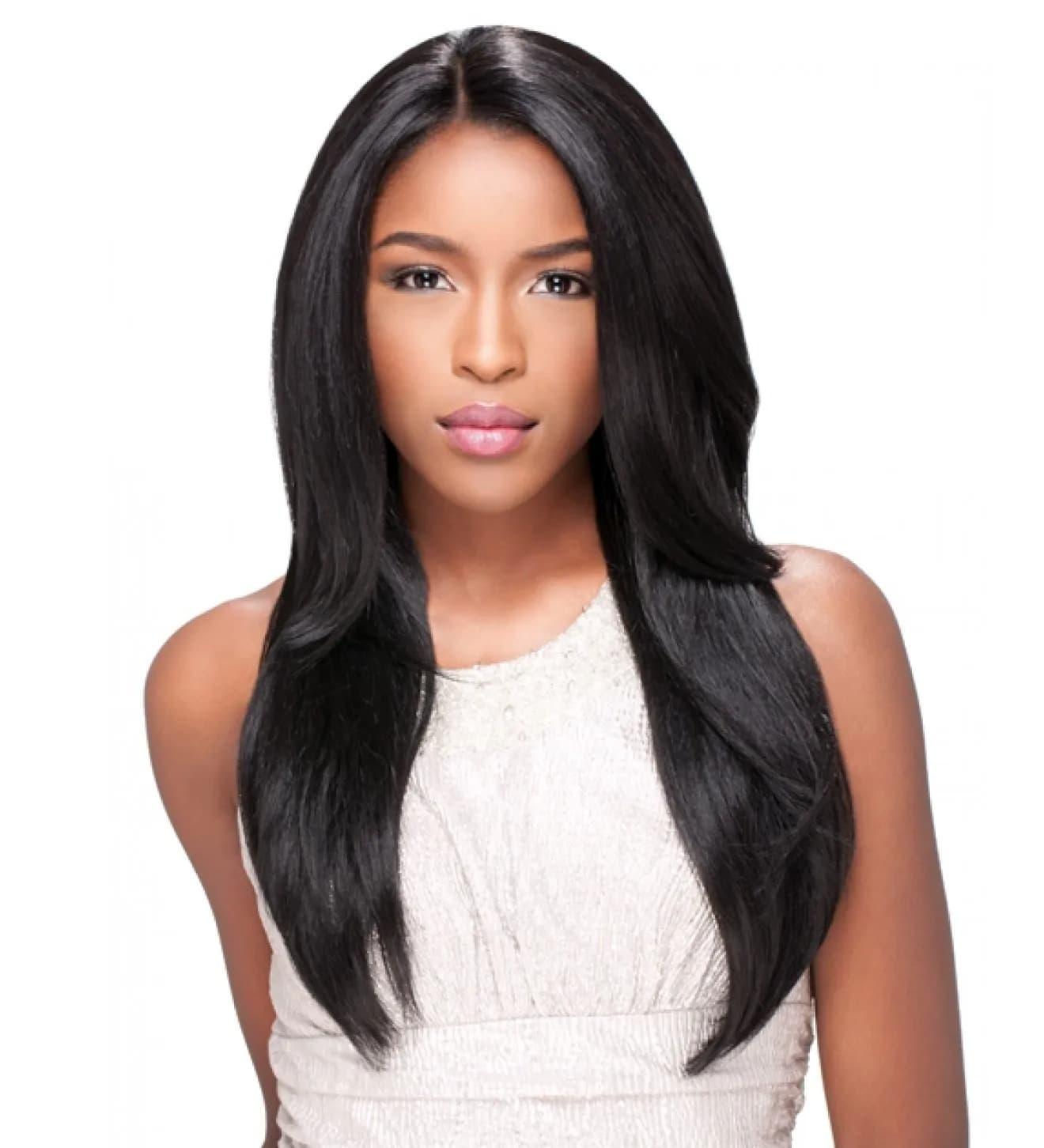
If your wig is an expensive hand-tied piece, heavily dyed human hair, or a custom construction, consider professional salon cleaning or specialist wig services for deep clean, reshaping, or color-correction work. Professionals can also re-solidify weakened caps, mend wefts, and renew lace front adhesive areas safely.
Understanding how to wash cosplay wigs correctly is an essential skill for hobbyists and professionals alike. With appropriate products, gentle technique, and attentive drying and storage, your wigs will keep their color, shine, and defined styles far longer. Whether you’re caring for a budget synthetic or a premium human-hair piece, the right routine reduces repair costs and preserves the character integrity you’ve invested in.
Wash only when necessary—typically every 8–12 wears for minimal use. Use cool water and color-safe, mild cleaners to retain pigment. Spot-cleaning and using a conditioning spray between washes will help preserve vibrancy.
It's best to use conditioners specifically made for synthetic fibers. Regular hair conditioners may leave a heavy residue that changes fiber texture. If you must use a human-hair conditioner, dilute it heavily and rinse thoroughly.
Use a commercial adhesive remover designed for lace wigs or a gentle oil-based remover. Apply carefully along the adhesive edge, blot and lift residue away, then clean the wig as usual while avoiding over-saturating the lace if the attachment will be reused.
