If you love the dramatic contrast of dark hair and a delicate fringe, this comprehensive guide will help you explore practical, fashionable, and budget-friendly strategies to style black wigs with thin bangs for a variety of face shapes and lifestyle needs. Whether you are a wig beginner or someone expanding a collection, the tips below cover cutting, styling, maintenance, accessorizing, and shopping tactics to make a thin fringe look modern, flattering, and long-lasting.
The appeal of a minimalist bob or long layered wig paired with a narrow fringe is versatility. Thin bangs create a soft frame for the face without overwhelming features, and when applied to darker hairpieces, they provide contrast and a chic, editorial silhouette. Wearing black wigs with thin bangs can visually shorten a long forehead, add balance to a heart-shaped face, or soften a square jaw when cut and styled correctly.
Before trying any of the 10 techniques below, quickly identify whether your face is oval, round, square, heart, or long. This allows you to adapt each styling suggestion to achieve maximum harmony. For example, oval faces can generally wear more extreme fringe styles, while round faces benefit from angled thin bangs that create vertical lines.
Oval faces are considered the most flexible. If your wig is one of the black wigs with thin bangs types, try a slightly longer fringe that meets the brows to highlight your cheekbones. Use a soft curling iron to add inward bends that kiss the temple for a natural finish.
Round faces gain definition from asymmetry. Consider side-swept thin fringe designs on your black wigs with thin bangs to add diagonal lines. Avoid straight-across micro bangs which can shorten the face visually.

For square jawlines, soften the strong lines with wispy fringe and layered lengths around the cheek area. Black wigs with thin bangs that include texture through feathering or razored ends work especially well.
Heart-shaped faces benefit from a fringe that balances the wider forehead and narrower chin. Thin bangs that sit just above the eyebrows and curve slightly towards the cheeks on black wigs with thin bangs create a feminine effect.
Shorter fringe lengths can reduce perceived length. Compact black wigs with thin bangs styled with a little volume at the crown and soft side layers will bring better proportions.
Not all styling requires expensive tools. Invest in a quality wig stand, a wide-tooth comb, and a heat tool with adjustable temperature. For black wigs with thin bangs, a lightweight leave-in conditioner designed for synthetic or human hair wigs can extend the life of the fringe and keep the fibers from looking dull. If you're shopping on a budget, prioritize cap construction and fiber quality over brand name. Cap fits that allow for a natural hairline and a secure grip will make thin bangs sit more naturally.
Always cut a fringe dry if possible; hair shrinks when it dries, and you avoid cutting more than necessary. Use small, vertical snips rather than one straight cut. If you're not confident, seek a stylist with wig experience. Describe that you want thin, wispy bangs rather than a heavy blunt line—this small language tweak ensures your stylist uses feathering and tapering techniques appropriate for black wigs with thin bangs.
Wig maintenance differs based on fiber type. For human hair wigs, regular small trims and heat protection are key. For synthetic varieties, avoid high heat unless the wig is heat-friendly; use wig-specific products to detangle. Gently comb from roots to ends using a wide-tooth brush and occasionally reshape thin bangs with steam or a lightly heated smoothing iron set to low. Store the wig on a stand to maintain the fringe's orientation and use a silk scarf when traveling to prevent friction.
One of the biggest advantages of owning black wigs with thin bangs is adaptability. For daytime looks, keep the fringe flat and natural. For evening, add a bit of gloss serum and create a subtle S-shape with a curling iron to catch light. For formal events, combine the fringe with an updo and let a few wispy pieces frame the face for softness.
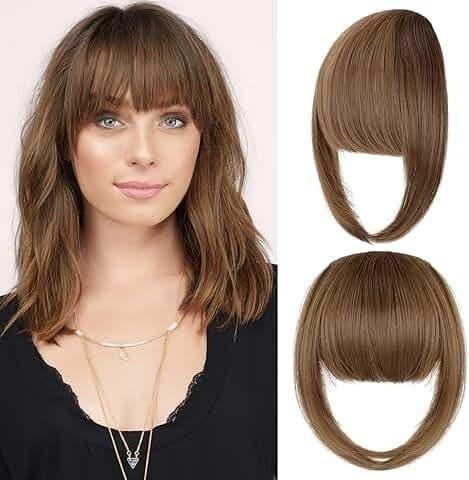
Matte finishes mimic natural hair better and hide density differences along the hairline; however, a slight sheen can read as healthy and luxurious. On black wigs with thin bangs, subtle undertones like blue-black, mahogany, or espresso add dimension and prevent a flat, painted look.
Read reviews and look for photos that show real customers wearing the wig in different lighting. Check return policies and cap measurements. If available, order swatch cards to ensure the color and fiber type meet expectations. Search phrases such as "black wigs with thin bangs lace front" or "black wigs with thin bangs synthetic" can yield targeted results. Prioritize sellers who include detailed measurements and multiple head models in their listings.
Small changes like thinning the edges, softening the ends with a razor comb, or adding micro-layers are user-friendly. Always test on hidden sections first. Use wig tape or adjustable straps inside the cap to secure the fit—this keeps thin bangs from shifting during wear.
In summer, apply a sweat-wicking cap under the wig and avoid heavy serums that attract dust. In winter, combat static with a humidifier or anti-static spray. These simple moves protect black wigs with thin bangs from environmental stress.
Pro tip: Keep a portable comb and a small bottle of wig-friendly spray in your bag for quick touch-ups throughout the day. This is especially helpful for maintaining the delicate look of thin bangs on dark wigs.
Before you wear your black wigs with thin bangs, ensure the cap fits snugly, the fringe is trimmed to your desired length, and any products used are wig-safe. Take a quick look in different light sources to confirm the color and texture read well with your skin tone. Small adjustments at this stage make the biggest difference in how naturally the fringe sits.
A narrow fringe on a dark wig is a minimalist statement that can be shaped to flatter any face shape and any budget. By applying the 10 techniques described above and following maintenance and shopping advice, you can enjoy many looks from one wig: casual days, polished office styles, or dramatic evening statements. Remember to emphasize harmony with your face shape and to invest in basic care tools to prolong the life and visual appeal of the fringe.
This guide emphasizes practical, actionable instructions and mindful product choices so that your purchase or styling session yields long-term satisfaction. Try different methods slowly—there's no need to rush—and you will find personalized ways to make every black wigs with thin bangs look uniquely yours.
Synthetic wigs are budget-friendly and retain their pre-styled look; however, they are less tolerant to heat. Human hair offers a more natural movement and styling flexibility for thin bangs but requires more maintenance and investment.
Only heat-friendly synthetic fibers or natural human hair wigs should be heat-styled. Check the product description; if in doubt, use low heat or a steam method and test on a small hidden section.
Trim every 4–8 weeks depending on growth and wear. For synthetic wigs, trims are needed less often since synthetic fibers don’t grow, but frequent friction can still blunt ends and require reshaping.
