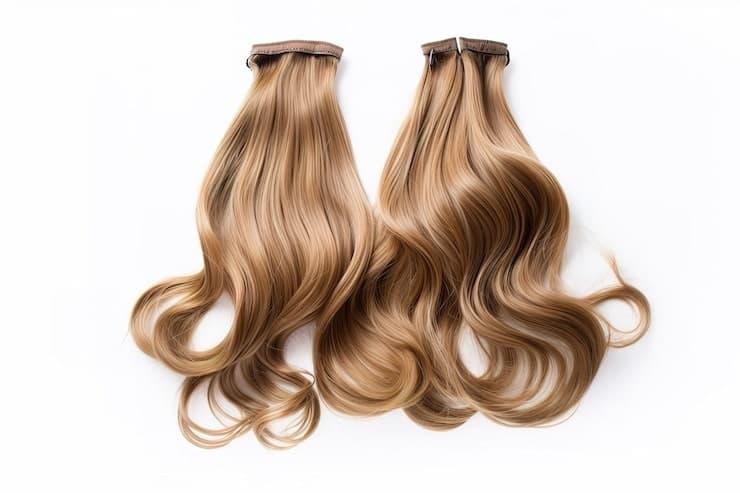
Caring for a wig at home requires a clear process, gentle products and a few professional tricks so the result looks natural and lasts longer. Many people ask how do you wash a wig safely, and this comprehensive guide breaks down the steps for both synthetic and human-hair pieces, offers product recommendations, styling tips and troubleshooting advice to keep your investment looking salon-fresh. The goal is to maintain fiber integrity, prevent tangling and preserve color and shape with minimal risk.
The way you clean a wig affects longevity, appearance and manageability. Incorrect washing can lead to matting, shedding and premature wear. Knowing how do you wash a wig begins with identifying the type of wig you own—synthetic fiber, heat-resistant synthetic, or human hair—as each needs a slightly different approach. This guide emphasizes gentle, sulfate-free products, low-mechanical handling and air-drying methods to reduce stress on the wig cap and fibers.
To answer "how do you wash a wig" in practice, assemble the following: a gentle sulfate-free shampoo (or wig shampoo), a silicone-free conditioner or wig leave-in treatment, a basin or sink with a stopper, towels, a wide-tooth comb or special wig brush, clips for sectioning and, ideally, a wig stand. For sanitizing a wig or dealing with product buildup, a clarifying wig wash or diluted white vinegar rinse can be used sparingly. Avoid household detergents and regular laundry soaps which are too harsh.
Human hair wigs tolerate many of the methods used on natural hair but still require extra care because they sit on a cap and frequently undergo styling. Here is a safe routine:

One of the most asked practical points about how do you wash a wig is timing. Frequency depends on wear: daily-worn wigs with product usage may need washing every 7–10 wears; occasional wigs can be cleaned every 15–20 wears. If you experience buildup, odor or scalp residue, wash earlier. Over-washing strips protective coatings on synthetic fibers and natural oils on human hair—balance is key.
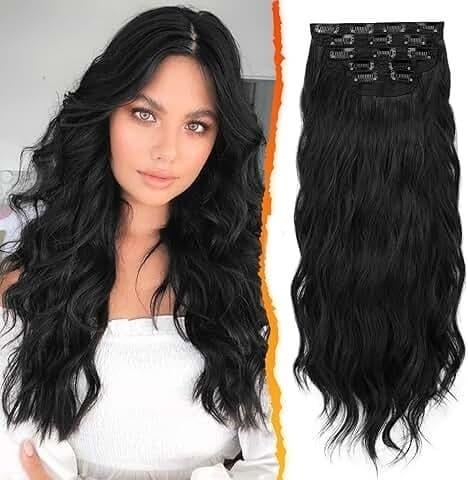
Proper drying ensures shape retention and easy styling. Always reshape the wig on a stand while it's damp; clip sections into place or use light molding sprays designed for wigs. For synthetic wigs avoid heat above the manufacturer's recommended level—many synthetics are heat-sensitive and will lose their style permanently at high temperatures. Human-hair wigs can handle heated tools, but keep settings moderate and use a heat protectant. Use how do you wash a wig reminders: always air-dry if possible and never sleep in a wet wig.
After a wash, detangling should be done in sections, starting at the tips and working upward. Use a detangling spray if necessary. Avoid tugging at the roots; instead hold the hair above the tangle to reduce cap stress. For lace front wigs, be cautious around the lace edge—do not pull or use heavy tension that could loosen the lace or knots.
Pro stylists often recommend a pre-wash clarifying spray for wigs worn with heavy styling products. A diluted white vinegar rinse (one part vinegar to three parts water) can refresh shine and remove buildup for human hair wigs; use it sparingly and never on delicate lace without patch testing. For heat-friendly synthetics, practice trailing heat tools on a small hidden section first. Use light volumizing sprays at the roots, and mold using fingers or a low-heat iron on a mannequin head for stable shaping. These tips answer the nuanced part of how do you wash a wig—it's not only about cleaning but restoring salon-like form.
Choose sulfate-free, silicone-light shampoos and conditioners labeled for wigs or color-treated hair. For synthetic fibers, select products specifically formulated for synthetics. Leave-in detanglers with silicone alternatives or natural oils in small concentrations help human hair pieces stay soft without residue. Avoid oil-heavy serums on lace fronts where adhesives are used. For sanitizing during illness or close contact, use a spray UV sanitizer or a light antiseptic spray made for hairpieces; however, avoid saturating the cap to prevent warping.
Store your wig on a stand or a padded hanger to maintain shape and airflow. Use breathable, dust-free covers and avoid plastic bags for long-term storage because they trap moisture. Rotate between wigs when possible to reduce frequency of washes and extend each piece's lifespan. Keep away from direct sunlight to prevent color fading and from high humidity which can cause frizz or mildew.
When you need a fast revamp, use a wig-specific dry shampoo or waterless cleanser, a light detangler and a quick steam from a distance to reshape curls or waves. Finger-style the fibers and use minimal product. These steps are practical answers to the everyday question how do you wash a wig when time is limited: sometimes you don't need a full wash—targeted refreshes will do.
Frizz can often be managed with a small amount of leave-in conditioner or steam smoothing; avoid heavy creams. Shedding is often reduced by gentle handling, less frequent combing and avoiding heat on weak areas. Persistent odor requires a full wash; if smell returns quickly, check hat liners and scalp hygiene. For stubborn issues, consult a professional wig specialist who can recondition or restring caps and replace lace if necessary.
For those seeking greener options, dilute biodegradable shampoos and use microfiber towels to speed drying with less friction. Reuse basins and avoid single-use wipes. Homemade gentle blends (a few drops of mild baby shampoo mixed in water) can work temporarily, but long-term use of products formulated for wigs is better for fiber health. Remember that eco-friendly does not mean less effective; choose biodegradable, sulfate-free, paraben-free formulas where available.
how do you wash a wigIn short, mastering how do you wash a wig means choosing the right products, using gentle motions, controlling temperature and drying with care. Whether you’re working with synthetic or human hair, a methodical approach preserves style and maximizes longevity. Keep an eye on product labels, the wig manufacturer's recommendations and common-sense handling rules. Regular but not excessive washing, paired with gentle maintenance, will keep your wig looking its best.
Minor repairs such as reattaching a loose weft, replacing a comb clip, or reinforcing a strip of lace tape can be done at home with repair kits. However, for structural issues like cap distortion, significant lace damage or heavy shedding, seek a professional. Regular maintenance appointments with a wig technician—especially for high-value human-hair pieces—can drastically extend life and performance.
Follow these steps and you’ll have a repeatable routine to answer the ongoing question how do you wash a wig confidently and safely. With proper care, even frequently worn wigs can remain soft, shiny and natural-looking for many months.
If you want to preserve your wig's look, follow the above routines and keep a small maintenance kit handy. Paying attention to detail is the answer to both "how do you wash a wig" and how to prolong the natural appearance and comfort of your wig for years.
