If you want soft, natural-looking waves that last, learning how to curl wig with curling iron is a valuable skill. This long-form guide covers preparation, technique, products, troubleshooting, and aftercare, all written with search-friendly structure to help you find answers quickly. Whether you have a lace front human hair wig, a heat-resistant synthetic, or a basic costume piece, the same principles apply with important differences explained below.
Many people make the mistake of treating a wig like their own hair; wigs require special handling. A curling iron will produce vastly different results depending on the wig material, the iron temperature, the section size, and the hold method. Understanding these variables helps you achieve long-lasting waves without frizz or damage. Below we explore key variables and offer proven tips.
Proper prep multiplies your results. Always detangle the wig with a wide-tooth comb and place it on a wig stand or mannequin head to keep tension even. If the wig is synthetic and labeled heat-friendly, check the maximum recommended temperature. For human hair wigs, you can use higher temperatures but still start low and increase as needed.
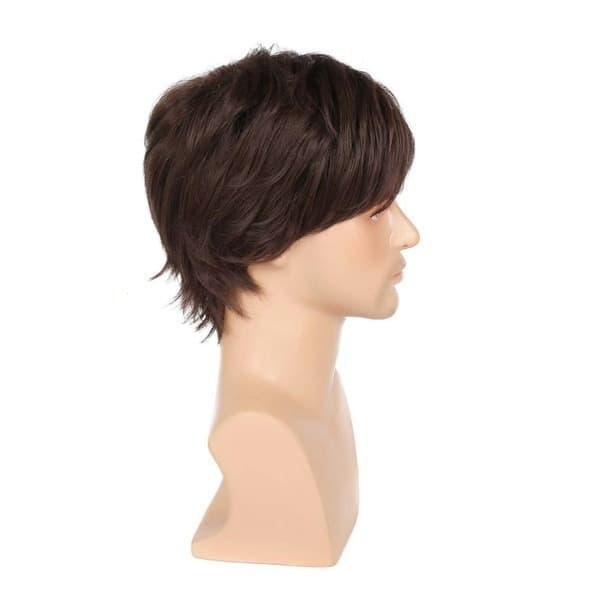
Follow this structured method to learn how to curl wig with curling iron like a pro and achieve waves that look like they were grown in, not glued on.
Start with a clean unit. Oils and styling product residue can weigh fibers down and reduce hold. If it's wet from washing, fully dry on the stand before applying heat. For human hair, towel blot and air-dry or blow-dry on low heat. For synthetic, follow manufacturer drying instructions.
Even heat-resistant synthetics benefit from a light barrier, and human hair must be protected. Use sprays designed for wigs when possible; avoid heavy serums that will make fibers slick and reduce hold. Lightly mist 8-12 inches away for even coverage.
Divide the wig into manageable layers: nape, sides, crown. Use clips to hold sections. Smaller sections produce tighter, longer-lasting curls; larger ones give loose waves. For natural waves, work with mid-sized sections—about 1/2" to 1" depending on the length and thickness.
Match the temperature to the material: human hair: 300-380°F (150-195°C) depending on thickness; heat-friendly synthetic: follow label, usually 250-300°F (120-150°C); non-heat synthetics: do not use a curling iron—use steam or foam rollers. When in doubt, start lower and test on a hidden strand.
Take a section, clamp the curling iron near the root (but not at the base of a lace front), wrap the fiber around the barrel away from the face for outer sections and alternate directions across the head for realism. Hold 6-12 seconds for human hair, shorter for synthetics. Release into your hand and let cool partially to set the curl. Repeat across the head.
Tip: For beachy texture, leave the ends out of the barrel by 1/2" to 1" so they remain straight—this mimics naturally grown-out waves.
To make waves last, employ a combination of mechanical setting and products. Pin curls: after wrapping a section on the iron, quickly pin the curl to the head to cool in shape. Use a light-hold spray immediately, then remove pins when cool. For human hair wigs, a medium-hold aerosol spray and a touch of lightweight oil on the ends will extend life and reduce frizz. Synthetic wigs benefit from specialized aerosol wig sprays because they don't react the same as human hair products.
Avoid curling every section in the same direction and size. Alternate sizes and rotate directions to create a lived-in, organic appearance. At the crown, curl away from the part to boost volume. At the hairline, keep curls looser to avoid an overly styled look. Finger-comb or gently shake out curls after cooling to open them into waves—this is where natural texture emerges.
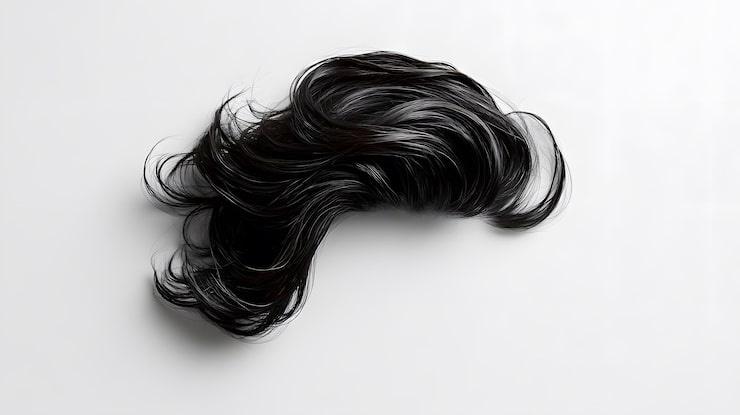 Lift the roots by backcombing lightly at the base or wrap a small section vertically around the barrel to create root curl.
Once you master how to curl wig with curling iron, you can create a range of styles: soft cascading waves, voluminous vintage curls, beach waves, or tight ringlets. Change barrel size, section width, and wrap technique. For vintage styles, clamp the curl vertically and set with a comb to shape; for modern waves, use a larger barrel and alternate wrap directions.
Protect your styled wig at night by sleeping on a satin pillowcase or placing the wig on a stand covered loosely with a satin cap. For keeping style during wear, use a flexible-hold hairspray and try to limit humidity exposure. For long-term preservation, store curled wigs in loose coils or on a wig stand with curls pinned to shape.
Human hair wigs behave closest to natural hair and take heat well, but they still require protection and moderate heat to avoid split ends. Heat-friendly synthetics are convenient but have strict temperature limits and different products for hold; never exceed the specified temperature. Non-heat synthetics should be styled with steam, foam rollers, or wig-safe hot tools only if labeled safe.
Never apply extreme heat to a lace front base near the mesh—heat can warp the lace and adhesives. Always check the manufacturer's guidelines before applying heat to a wig. Use a heat-resistant stand and avoid direct contact between the curling iron and the wig cap. For adhesives and tapes, ensure any residue is removed gently with a proper adhesive remover before washing or heat styling.
Problem: curls look too uniform—solution: alternate direction and barrel exposure; quick fix: finger-comb and use light volumizing spray. Problem: ends are over-styled—solution: trim or use a tiny drop of oil and gently blend. Problem: wig smells like product—solution: wash with wig-safe shampoo, rinse thoroughly, and air dry.
Mastering how to curl wig with curling iron requires practice, attention to material specifics, and a gentle hand. With appropriate heat settings, product choices, and sectioning techniques, you can create natural-looking waves with lasting hold. Remember to always test on a small hidden area first and to let curls cool in place for the best set. Adjust barrel size, alternating directions, and section width to tailor the final look, and store the wig thoughtfully to preserve your styling investment.
A: No. Only use a curling iron if the synthetic fiber is labeled heat-resistant. Use the lowest effective temperature and test a hidden strand first. If not heat-resistant, use steam or foam rollers designed for synthetics.
A: Longevity depends on material, products, and environmental factors. Human hair wigs can hold curls 1-3 days with proper setting and products; heat-friendly synthetics may hold longer if set correctly and protected from humidity.
A: Curling on a wig stand or mannequin is best for even tension and safer handling. If curled while worn, be extremely cautious around heat-sensitive closures and adhesives.
Practice these steps and experiment with small adjustments; in time you will refine your personal method of how to curl wig with curling iron to achieve the perfect blend of natural waves and durable hold.
