If you've ever wondered how do wigs stay on through wind, movement, or an active day, this extended guide walks through professional approaches, everyday tips, and trusted products to secure a natural look. From breathable wig caps and silicone grips to medical-grade adhesives and sewn-in solutions, the range of options can be tailored to hair type, scalp sensitivity, activity level, and desired longevity of hold. Below you'll find a structured, SEO-conscious exploration of techniques that professionals use and why each works, with pros and cons, step-by-step application advice, safety notes, and maintenance recommendations.
Knowing multiple methods to keep a wig in place gives flexibility. Some techniques prioritize comfort and scalp health, others prioritize extra-strong hold for active lifestyles or long-term wear. Learning the mechanics behind each approach helps you choose the best method for your specific needs — whether you have a full head of hair, thinning hair, or are bald due to medical reasons.
Below are seven widely used and time-tested methods that answers the central question of how do wigs stay on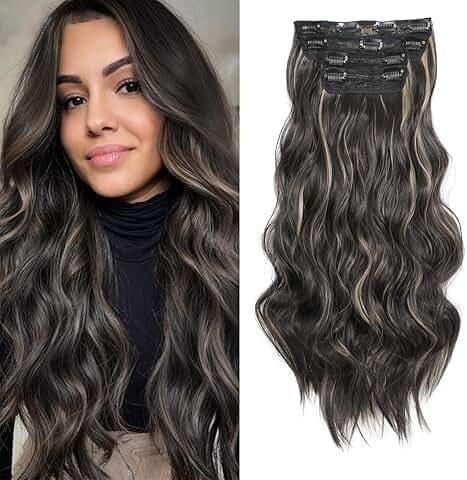 . Each technique is described in detail with stepwise implementation, ideal use cases, and common pitfalls to avoid.
Wig caps are the baseline solution. A thin nylon or mesh cap compresses hair and creates a smooth, even surface for the wig. There are also breathable cotton caps and anti-slip silicone-lined caps that increase grip. How do wigs stay on with caps? By creating consistent contact across the scalp, minimizing sliding and reducing bulk that can make a wig feel unstable.
How to use: Put on cap, flatten hair underneath, adjust to natural hairline, and secure with small clips if necessary. For short or sparse hair, a cap alone may be enough. For active days or heavier wigs, combine caps with other methods.
Pros: Comfortable, breathable, inexpensive, preserves natural hair. Cons: Less secure alone in high-movement situations.
Wig grip bands are soft fabric or silicone interior strips worn around the perimeter of the head. They act like non-slip seatbelts for wigs. For those asking how do wigs stay on during hours of wear, grip bands are an elegant solution: they add friction and cushion without adhesives.
How to use: Place the band on the hairline like a headband, pin it under the wig cap for extra security, then position the wig over it. Many pros recommend a velvet or foam-covered band for comfort and hold.
Pros: Non-chemical, comfortable, easy to apply and remove. Cons: May be visible under very thin lace fronts; can shift if not properly pinned.
Small metal or plastic combs and snap clips sewn into the wig interior provide mechanical anchors that latch onto your natural hair. This technique answers how do wigs stay on for people with sufficient anchor hair. Wedding stylists and theater wardrobe teams rely on clips for immediate, adjustable stability.
How to use: Open the clip, slide it into a secure tuft of hair or undercap fabric near the root, then snap closed. Space multiple clips around the perimeter for balanced hold. Remove gently by opening rather than yanking.
Pros: Strong hold, adjustable, no adhesives. Cons: Requires some natural hair; improper placement can create pressure points.
Tape systems, including double-sided toupee tape, are favored for day-to-day use and event wear because they provide a flat seam and strong but removable bond. When exploring how do wigs stay on for longer wear, tape is a top choice for moderate-duration adhesion without permanent glue.
How to use: Clean the skin at the hairline with alcohol prep, apply short strips of tape to the wig perimeter or to the skin, press firmly, and allow the adhesive to set for a few minutes. Replace tape every few days depending on perspiration and activity.
Pros: Invisible, effective, less messy than glue. Cons: May irritate sensitive skin; tape can become less sticky with oils or sweat.
For maximum security — such as for swimming, heavy wind, or multi-day events — medical-grade wig glue is the heavy-duty answer to how do wigs stay on. Pros like hairstylists and prosthetic technicians use adhesives specifically formulated for skin contact. Proper prep and removal are crucial to avoid irritation.
How to use: Cleanse and degrease the skin, apply thin layers of adhesive along the hairline, allow tackiness to develop (per product instructions), press the lace or wig base into place, and seal edges if needed. Use recommended adhesive removers for safe removal.
Pros: Extremely secure, ideal for lace fronts and long-term wear. Cons: Requires careful application, removal, and patch testing for allergies.
For those wanting a semi-permanent approach, particularly with extended-wear wigs or hairpieces, sewing the wig onto braided cornrows or a cap provides robust security. This method is common in theatrical and medical settings where continuity is required.
How to use: Braid the natural hair into a low, flat base or use a dome-shaped cap. The wig is then stitched along the perimeter using a curved needle and sturdy thread. Maintain careful tension to avoid discomfort.
Pros: Long-lasting, can be very secure for active lifestyles. Cons: Requires professional installation and careful maintenance; can be tight if over-sewn.
Often the most reliable answer to how do wigs stay on is a hybrid approach combining two or more methods — for instance, a grip band plus small front tapes, or clips with a dab of glue at stress points. Professionals blend techniques to balance comfort, longevity, and scalp health.
Application strategy: Identify weak points where the wig might lift (temples, nape, crown), and reinforce those areas using suitable combos. For example, use a silicone grip band for overall friction, clips for mechanical anchoring, and a short tape strip at the temple for added security.
Pros: Tailored, adaptable, often achieves best balance. Cons: More complex to install; requires planning and product compatibility checks.
Answering how do wigs stay on depends on these considerations:
If you have minimal hair: prioritize adhesive, tape, or sew-in methods. If you have medium-to-long hair: clips, combs, and sewn tracks work well. If you want a non-chemical approach: try wig grip bands and caps. For active lifestyles: combine adhesive for critical areas and mechanical clips for backup.
Proper preparation is what often separates a comfortable, secure wear from an irritated scalp. Follow these steps to enhance any method of securing your wig and answer how do wigs stay on with minimal side effects:
How you remove a wig often matters as much as how you secure it. Harsh removal can damage both the wig and the scalp. Use recommended adhesive removers, dissolve tape with solvent, gently unclip, and take your time when detaching. Regularly deep clean wigs per manufacturer instructions, condition fibers (or treat human-hair wigs like real hair), and store them on forms or stands to preserve shape.
For tapes and adhesives, look for products labeled skin-safe, hypoallergenic, and medical-grade. Ingredients like proscribed solvents and strong cyanoacrylates vary in skin tolerance; always perform a patch test. For grip bands, choose breathable fabrics and soft silicone. For clips and combs, favor rust-resistant metal and secure stitching. If purchasing adhesives, check for formaldehyde-free formulas and reputable manufacturer guidance.
One top concern related to how do wigs stay on is whether a security method will compromise a natural look. Lace-front wigs glued or taped correctly create an invisible hairline; ventilating the lace, using minimal hair gel along the edge, and blending baby hairs makes the effect convincing. For fuller coverage, use a light makeup match for the lace base and adjust wig placement so natural shadows fall correctly.
If you're securing wigs due to medical hair loss, consult healthcare providers about skin integrity, infection risk, and adhesive safety. Professionals often recommend gentler methods (non-adhesive caps, grip bands, or sew-ins with care) and slow transitions between adhesives to monitor skin reactions.
In short, the question how do wigs stay on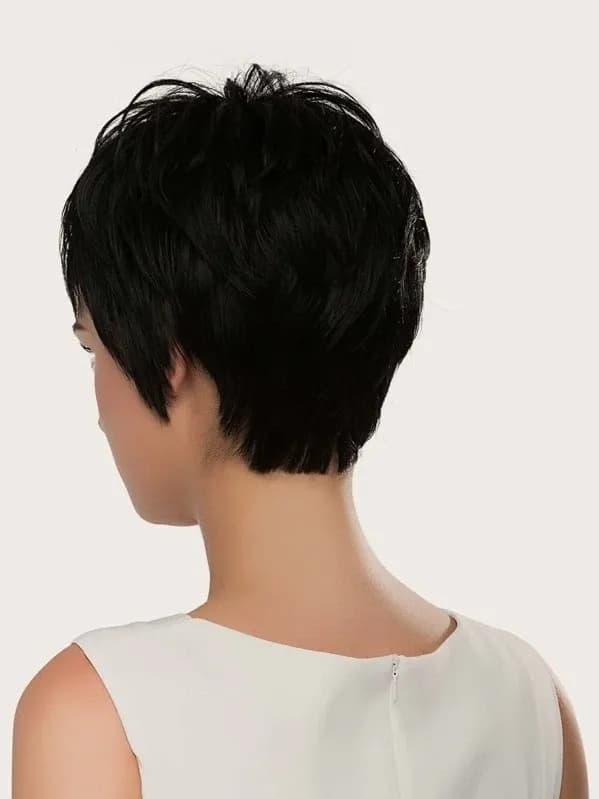 has many practical answers. A single method may suffice for casual wear, while a hybrid approach is ideal for demanding conditions. Professionals mix wig caps for baseline fit, grip bands for daily comfort, clips for mechanical hold, tape for quick adhesion, glue for long wear, and sewing for the most permanent solutions. The best approach matches personal lifestyle, scalp health, and appearance goals.
Remember: a well-secured wig enhances confidence and comfort. Take time to test options, perform patch tests for adhesives, and consider a consultation with a wig specialist for custom fitting and installation.
Users consistently want to know about longevity, skin safety, and compatibility with swimming or sweating. Use adhesives labeled for water exposure if you need a bond during aquatic activities, and always follow safe removal protocols to protect the skin and hairline.
By exploring these tried-and-true techniques and mixing approaches as needed, you can confidently answer your own question of how do wigs stay on and tailor a secure, comfortable, and natural-looking solution that fits your life.
