A Modern, Practical Manual for Choosing and Styling a v part wig
This guide concentrates on helping anyone — from first-time wig wearers to seasoned stylists — master the art of selecting, styling, and maintaining a v part wig for the most natural-looking volume and movement. Throughout this detailed resource you'll find product selection criteria, step-by-step styling techniques, expert maintenance tips, and solutions to common challenges. Each section emphasizes the v part wig keyword to highlight important concepts and support search visibility while keeping the content reader-friendly and actionable.
Why choose a v part wig?
Many people choose a v part wig because it offers a realistic scalp appearance at the front, easy parting, and a natural hairline without the complexity of full lace front wigs. The signature V-shaped gap in the front allows your own hair to be pulled through for a seamless blend, creating a believable scalp and giving the illusion of natural growth. This makes the v part wig especially attractive for daily wear, photo shoots, and anyone seeking a fast transformation that still looks authentic.
Key benefits of the v part wig
- Natural-looking part: The V opening creates a realistic central or side part that mimics a natural scalp.
- Quick installation: Most v part wig models are easy to secure with clips, combs, or minimal glue for comfortable all-day wear.
- Comfort: Less adhesive and lighter cap structures often mean better ventilation and reduced scalp irritation.
- Versatility: You can experiment with different partings and styles because the front V allows hair blending and repositioning of the natural hair.
Understanding construction: what to look for
The construction of a v part wig determines comfort, realism, and styling flexibility. Key elements include the cap type, hair density, lace quality around the V area, and attachment points.
- Cap type: Monofilament, hand-tied, and machine-tied caps all affect how hair moves and how realistic the part looks. A hand-tied or monofilament cap around the V area often produces the most natural movement for a v part wig.
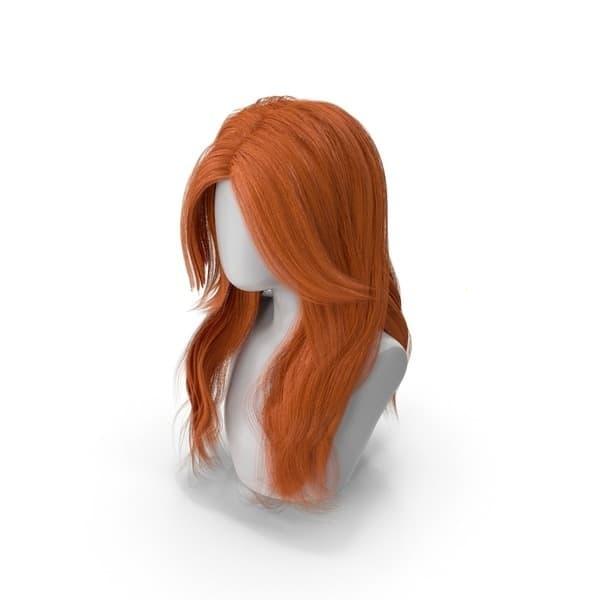
- Hair type: Human hair provides the best styling options and longevity; high-quality synthetic fibers can also offer great shape retention and budget flexibility for a v part wig
 .
. - Density: Choose a density that matches your natural hair volume. Too much density can look heavy and unreal, while too little may not offer the desired fullness. Mid-density is a common choice for natural volume in a v part wig.
- Lace and V construction: Inspect the lace around the V opening. Fine, undetectable knots and a soft lace edge enhance realism for the v part wig.
Choosing the right style and color
When selecting a v part wig, tone and cut decisions should complement your face shape, skin tone, wardrobe, and lifestyle.
Color tips
- Match your roots: A blended root with slightly darker tone near the scalp helps the v part wig appear more authentic.
- Avoid extreme contrasts: Sudden root-to-length color changes can draw attention to the wig rather than create a natural illusion.
- Consider highlights and lowlights: Subtle dimension enhances depth and movement on a v part wig.
Cut and length
- Face framing: Layers around the face soften the look and help the V opening blend with your own hair when pulled through.
- Length for volume: Medium lengths (shoulder to chest) often provide the best volume without overwhelming the hairline on a v part wig.
- Styling versatility: If you want to change looks frequently, choose a base cut that allows easy alterations by a stylist familiar with wig techniques.
Fitting and preparing your base hair
Preparing your own hair before securing a v part wig is crucial to achieve a smooth finish and comfortable hold.
- Smooth and flatten: Braid or pin back long hair so it sits flat. For short hair, use a wig cap to compress and protect strands under the v part wig.
- Secure the V area: Position the V opening to allow a small amount of your natural hair to come through. This blend is essential for realism when wearing a v part wig.
- Prep the scalp: Clean and moisturize gently but avoid oily products near the hairline that could compromise adhesive performance for the v part wig.
Step-by-step installation for a natural look
Follow these steps to install a v part wig with a lifelike appearance.
- Align the V: Place the wig on your head and align the V opening with your natural part or desired hairline.
- Pull natural hair through: Pull a thin slice of your hair through the V area and spread it to mimic a realistic part. This step is what distinguishes a v part wig from other wig types.
- Secure it: Use built-in combs, wig clips, or light adhesive if desired. Ensure the cap lies flat without gaps that could show the wig's edge.
- Blend and style: Use a flat iron, curling rod, or styling cream to blend the pulled-through section with the wig hair for continuity of texture on your v part wig.
Styling techniques to enhance volume and realism
Volume and movement are created by smart layering, root lift, and strategic curl patterns. These techniques work particularly well with a v part wig because the natural parting makes root styling more convincing.
- Root lift: Tease gently at the roots or use volumizing mousse close to the scalp area of a v part wig.
- Layer placement: Shorter layers around the face create bounce without exposing the wig cap or V edge.
- Directional blow-drying: Use a round brush to direct hair away from the V part for fuller crown coverage on a v part wig.
- Strategic curls: Loose waves often appear more natural than uniform barrel curls; they also blend fluidly with natural hair pulled through the V.
Heat styling and product choices
When heat styling a v part wig, always consider the hair fiber. Human hair can tolerate higher heat, but synthetic fibers often require low-temperature tools or steam styling systems. Use silicone-based serums sparingly to add shine without weighing hair down.
Recommended products
- Lightweight volumizing sprays for roots.
- Thermal protectant before heat styling a human-hair v part wig.
- Flexible hold hairspray to preserve movement but avoid stiff finishes that reveal wig structure.
Washing and long-term care
Proper washing and maintenance extend the life of your v part wig and keep the V opening clean and undamaged.
- Frequency: Wash human-hair wigs every 8–12 wears depending on product buildup; synthetic wigs need less frequent washing.
- Method: Use sulfate-free, gentle shampoos and deep conditioners designed for wigs. Avoid rough rubbing across the V area to prevent lace fraying on a v part wig.
- Drying: Pat dry with a towel and use a wig stand to air dry. High heat from dryers can alter fiber texture and damage glue or tape near the V section.
Storage and travel tips
To preserve shape and keep the V area pristine, store your v part wig on a mannequin head or a padded wig stand. For travel, use a structured travel case and keep the V opening supported with tissue or a soft sponge. Pack styling tools and a small emergency kit (extra clips, a small comb, and a travel-size detangler) for quick fixes.
Common problems and solutions
Several frequent issues can affect the appearance of a v part wig. Below are practical solutions that maintain natural volume and longevity.
- Visible lace: Tint or bleach the knots slightly if you work with a lace V; alternatively, use a tiny amount of concealer to match scalp tone.
- Gaps at the hairline: Reposition the V or adjust the amount of natural hair pulled through. Hairline gaps often result from incorrect cap sizing.
- Flat or limp volume: Refresh with a dry shampoo or root powder, and reintroduce texture with light teasing or a volumizing spray near the part.
Choosing between synthetic and human hair v part wigs
Both synthetic and human-hair v part wig types have pros and cons. Your lifestyle and styling preferences will determine the best fit.
- Human hair: Most realistic appearance, can be heat-styled and colored, higher cost, requires more maintenance.

- Synthetic hair: Lower cost, retains style after washing, limited heat tolerance, less natural movement compared to premium human hair on a v part wig.
Budgeting and where to buy
Quality varies widely, so establish a budget that accounts for cap construction, hair type, and any required customization. Trusted sellers include specialized wig boutiques, reputable online retailers with transparent return policies, and certified stylists who offer custom fittings. When searching online, use targeted terms like v part wig plus modifiers such as "human hair," "hand-tied," "medium density," and "natural part" to find product listings that meet your needs.
Customization and professional services
For the most natural result, consider professional customization. Services may include trimming, layering, root shading, and wig-cap adjustments that preserve the V opening's integrity. A tailored cut can transform an off-the-shelf v part wig into a bespoke piece that suits your face and lifestyle.
Tips for working with a stylist: bring photos, explain how you want the V part to sit relative to your natural hairline, and ask about long-term maintenance recommendations specific to the wig fiber.
Maintenance checklist for long-lasting results
- Wash sparingly with wig-safe products.
- Store on a stand or in a box with padding.
- Protect from excessive heat and prolonged sun exposure.
- Inspect the V area regularly for loose stitching or lace damage and repair promptly.
- Rotate wigs to reduce daily wear and extend life.
Styling ideas to maximize natural volume
From soft beach waves to tapered layers, many styles are ideal on a v part wig. For volume, start with a medium-length cut, add face-framing layers, and opt for loose, textured waves. Use lightweight styling aids to keep movement intact without flattening the roots near the V opening.
How to create a believable part
Small details matter. Use a scalp-matching powder or concealer along the pulled-through hair and part line to create depth and reduce shine. Slight baby hairs around the V edge can mimic natural growth and distract from any edge visible under close inspection on your v part wig.
Troubleshooting FAQ (Quick fixes)
- Wig slipping: Add wig tape, silicone grips, or sew in small combs for extra hold.
- V opening too large: Bring the V closer to your natural part or have a stylist reduce the gap by adding discreet hand-tied hair around the edges.
- Lace irritation: Use a barrier spray or choose caps with softer lace blends designed to minimize friction.
Final advice
Choosing the right v part wig combines realistic construction, thoughtful color selection, appropriate styling tools, and consistent care. Prioritize fiber quality and cap construction when shopping, and consider professional customization for the most convincing look. With proper maintenance, a well-made v part wig can deliver natural-looking volume and confidence for months or years.
Use this guide as a roadmap: assess construction, test color and density, plan a realistic budget, and practice installation for a seamless daily routine. The small investments in fit and care pay off in comfort and the most important measure — how natural it looks in everyday life.
FAQ
Q1: How often should I wash my v part wig? A1: For human-hair v part wigs, washing every 8–12 wears works well unless product build-up demands earlier cleaning; synthetic v part wigs can be washed less frequently, often every 12–20 wears depending on activity and product use.
Q2: Can I heat style a synthetic v part wig? A2: Only if the fiber is heat-resistant; always check manufacturer guidelines and use low temperatures or steam tools designed for heat-safe synthetics to avoid melting or fiber damage.
Q3: Will my natural hair be damaged when using a v part wig? A3: Proper prepping (flattening hair, using a protective cap, avoiding harsh adhesives directly on fragile edges) minimizes risk. Consult a stylist if you plan daily wear to protect your hairline and scalp health.
