Step into a world where theatrical flair meets everyday wearability: the rising interest in a fall from grace wigs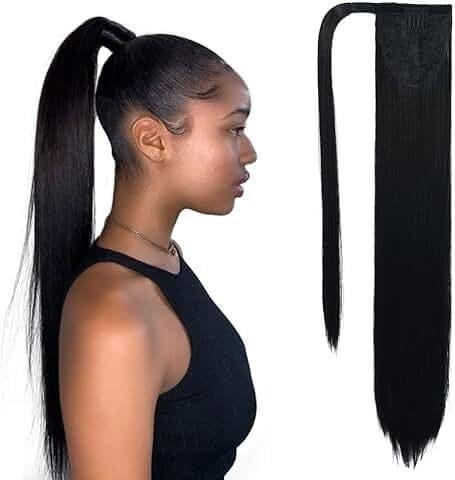 blends vintage decadence with contemporary technique, offering looks that command attention without sacrificing comfort. This comprehensive guide unpacks why these pieces captivate stylists and clients alike, details practical maintenance, and provides pro-level styling tips to transform any appearance into a dramatic statement while keeping the wig's longevity intact.
When you hear a fall from grace wigs, imagine silhouettes that suggest an intentional slip from refinement into bold theatricality — curls that cascade like a curtain, textures that contrast polished roots with softer ends, and looks that balance dramatic volume with refined hairline details. These wigs are engineered to evoke stories: from candlelit boudoirs to minimalist runways, they are versatile props for storytelling. Search engines favor content that explains context and function, so it's vital to discuss both the aesthetic inspiration and technical details designers use to create these looks.
Color is core to the narrative. Deep mahoganies, smoky ash blends, and strategic balayage give that gradient feel where light meets shadow across each strand. For dramatic looks, consider lowlights that lend depth to curls, or a muted ombré that hints at weathered glamour. Integrate color matching into your purchase checklist: swatches under natural light and photos from multiple angles help avoid surprises.
From brushes to holding sprays, the right tools extend wearability and silhouette control. Essential items include a wide-tooth comb, soft-bristle brush, heat protectant for human-hair units, a light-hold mousse for definition, and a flexible hold spray for finished looks. Use a low-heat flat iron for smoothing synthetic fibers labeled as heat safe. Above all, avoid heavy oils that weigh down volume and reveal unnatural shine under flash photography.
1. Prep: Secure the wig cap snugly to keep the unit anchored. If you're aiming for dramatic volume reminiscent of a fall from grace wigs aesthetics, prep hair with a volumizing root spray.
2. Foundation shaping: Use a gentle steam or low-heat iron (for heat-safe fibers) to set base curves and waves. Focus on creating contrast between a sleek root and undone ends.
3. Hairline customization: With lace-front units, trim the lace carefully and add microscopic knot tints or subtle baby hair to maintain a realistic junction at the forehead.
4. Layer and frame: Add face-framing layers with thinning shears to avoid a helmet effect. Layers produce movement that conveys fall-from-grace narrative: precise yet undone.
5. Final styling: Use finger-combing and a texturizing spray to separate strands for a lived-in finish, then seal with a light-hold spray for motion-friendly hold.
To capture that cinematic tilt between refinement and decay, stylists layer multiple techniques: under-teasing at the crown for controlled volume, selective backcombing softened with a smoothing brush, and micro-wefts to add targeted density. For celebrity-grade longevity during shoots, stylists employ double-sided tape in addition to wig glue, ensuring the hairline stays intact during energetic scenes.
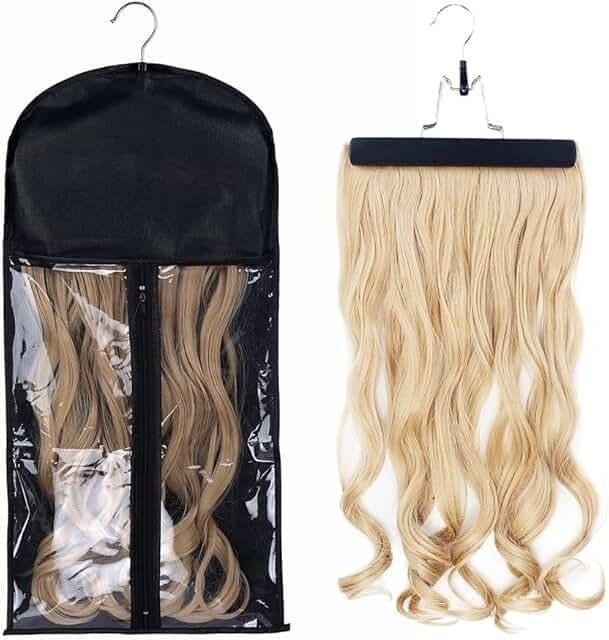
Regular care will extend a wig's life and preserve the feel of premium strands. For human-hair units, wash gently every 8–12 wears with sulfate-free formulas, detangle from ends upward, and air-dry on a stand to retain shape. Synthetic units should be stored on a stand away from heat sources and refreshed with spray conditioners designed for synthetic fibers. Proper storage in breathable bags prevents crushing and unwanted creases.

Soft, sculpted waves with a defined side part, a muted root, and polished ends — perfect for editorial shoots where the narrative reads of fallen aristocracy adapting to modernity.
Choppy layers with textured roots and matte finish create a contemporary, lived-in look that suits nightlife, performance art, and fashion staging.
Sleek crown with wispy, undone lengths that whisper elegance without theatrics — ideal for editorial features that require subtle drama.
Buying online can be daunting; prioritize the following to avoid returns: high-resolution photos from multiple angles, clear cap and fiber specifications, a size chart with circumference measurements, customer reviews that include photos, and a return policy that allows for exchanges if the fit or color differs from expectations.
Price varies dramatically. Synthetic lace fronts suitable for fashion-forward looks can be affordable, but high-grade human-hair full-lace constructions command premium prices. Factor in maintenance tools, adhesives, and potential professional customization into your budget to avoid surprises.
To make any wig feel truly yours, pursue subtle customizations: hairline adjustments, bespoke color overlays, and minor cut-and-shape work. Stylists can thin dense units at the perimeter, add micro-weft pieces for dimension, or implant baby hair for a lived-in finish.
Increasingly, consumers ask where fibers originate. Look for transparent sourcing, fair labor statements, and recycled or eco-friendly packaging. For human-hair units, reputable sellers will often provide sourcing assurances. Sustainable choices are not just better for the planet; they also resonate well with audiences and search engines focused on responsible consumerism.
Designers draw inspiration from period costume, film noir silhouettes, and modern runway shows where the tension between elegance and decay is a leitmotif. When you style a piece from the a fall from grace wigs family, you're tapping into a visual vocabulary that spans eras — choose accents that nod to a specific time or blend influences for an entirely novel look.
Consider three client scenarios: a performer needing a stage-ready makeover, a fashion editor requiring a photoshoot-ready silhouette, and a private client seeking a dramatic but wearable daily style. Each requires individualized cap fitting, targeted density modifications, and color blending to match skin tone and lighting conditions. The most successful results come from collaborative consultation and test fittings.
Lighting reveals texture: softbox lighting smooths shadows and highlights subtle dimensional color work while side-lighting amplifies tousled edges and movement. For portraits, slight backlighting enhances transparency in thinner ends, emphasizing handcrafted shading. Capture multiple angles to display realistic hairlines and cap construction; these photos will aid both marketing and future purchase decisions.
Mastering the aesthetic of a fall from grace wigs requires a balance of creative vision and technical rigor. Choose the right base, tailor the construction, apply strategic coloration, and use professional styling and maintenance methods to preserve the intended drama. With careful selection and thoughtful upkeep, these wigs can transform a simple outfit into a narrative piece that reads well both in person and online.
Whether you're a stylist, performer, or wardrobe-conscious consumer, understanding the interplay between design and function will let you harness the full potential of pieces inspired by a fall-from-grace narrative. Thoughtful selection, expert customization, and consistent care ensure that every wig becomes an expressive and enduring part of your visual story.
