what is a wig explained for beginners - a practical guide to types, materials, fit and styling tips
Time:2026-02-01 Click:
Understanding what is a wig: a friendly introduction for newcomers
If you've ever wondered what is a wig and how to choose, wear, and care for one, this comprehensive primer is written to help beginners gain confidence. A wig is an artificial covering of hair that can be worn for fashion, convenience, medical reasons, theatrical use, or cultural and religious traditions. In this guide you'll find clear explanations of the different types of hairpieces, the materials used, how a wig should fit, practical styling tips, maintenance routines, and buying advice. We will also break down common terms and provide real-world tips so that when you ask yourself what is a wig, you leave with practical knowledge and a plan to move forward.
The basic definition and purposes
At its simplest, what is a wig can be answered in one sentence: a wig is a headpiece made from natural human hair, synthetic fibers, or a blend of both, designed to imitate the look of natural hair. However, the true value of a wig is found in its uses: to change style instantly, to cope with hair loss, to protect natural hair, to perform on stage, or to complete a fashion statement. Wigs can be temporary (clip-ins or half-wigs), semi-permanent (tape or glue applied), or long-term (professionally fitted, ventilated, and maintained). Understanding the purpose will guide choices about type, cap construction, and material.
Types of wigs: quick taxonomy
Human hair wigs: made entirely of real human hair. They offer the most natural appearance and versatility for heat styling, coloring, and cutting. They require more maintenance and are more expensive, but longevity can be exceptional with proper care.
Synthetic wigs: made from man-made fibers designed to mimic human hair. They hold styles after washing, are lower-maintenance, lighter in price, and ideal for beginners who want an easy, consistent look.
Heat-friendly synthetic: a subcategory of synthetic fibers that tolerate low-heat styling tools. They expand options without the cost and care required for human hair.
Monofilament and lace front wigs: these describe cap constructions rather than fiber types. A monofilament top offers delicate, scalp-like appearance at the part. Lace front wigs create an invisible hairline ideal for off-the-face styling.
Full lace wigs: constructed with lace across the entire cap allowing for versatile parting and updos; often used in premium human hair wigs.
Machine-made caps: quicker to produce, durable, and cost-effective; they often feature wefts sewn to a cap and are less natural at the hairline unless combined with a lace front.
Custom and couture wigs: bespoke pieces created for medical needs, theatrical roles, or fashion clients requiring precise color matching and unique styling.
Materials compared: pros and cons
Choosing between human hair and synthetic fibers depends on lifestyle, budget, desired realism, and maintenance tolerance. Below is a condensed comparison to help you evaluate:
Human hair: Pros — most natural movement and shine, can be heat-styled, long lifespan with proper care; Cons — higher cost, needs regular washing and conditioning, susceptible to humidity, requires styling tools and products.
Synthetic hair: Pros — low maintenance, retains its style after washing, more affordable, lighter weight; Cons — less breathable, limited heat tolerance (unless heat-friendly), may look shiny if lower quality.
Blended (human + synthetic): Pros — balance of realism and easier maintenance; Cons — styling and care can be complicated because fibers behave differently.
Cap construction and fit: why it matters
Understanding cap construction is crucial when learning what is a wig beyond the surface. The cap is the foundation of any wig and determines comfort, security, ventilation, and realism at the hairline and part.
Common cap types
Lace front: lace at the front edge mimics a natural hairline; usually combined with other cap types for the remainder.
Monofilament top: the top or part area has a mesh where individual hairs are hand-tied to create the illusion of hair growing from the scalp.
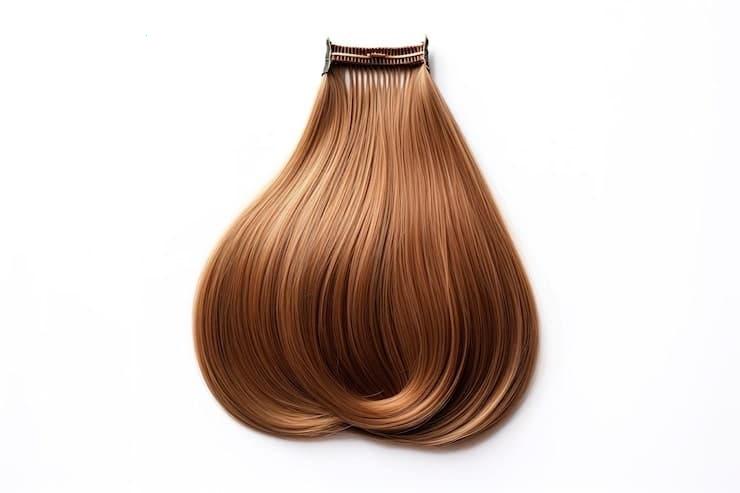
Full lace: the entire cap is lace; most versatile for styling but often most costly.
Wefted caps: rows of hair sewn into the cap; durable and breathable but less natural-looking at the front.
Adjustable straps and combs: help secure fit; some people also add wig grips, elastic bands, or use adhesive for added security.
Fit considerations: measure your head (circumference, front-to-nape, ear-to-ear, temple-to-temple) and compare to size charts. Most commercially available sizes are petite, average, and large. A proper fit is snug but not uncomfortably tight. If you experience shifting, friction, or pressure points, seek professional adjustment or consider a custom cap.
Choosing the right style: face shape, lifestyle, and goal
When deciding what is a wig for your needs, think about three practical factors: your face shape, daily routine, and the statement you want to make.
Face shape — soft layers and volume can balance round faces; angular cuts can complement long faces; bangs or fringe alter proportions and frame features.
Activity level — if you swim, sweat, or work in windy environments, prioritize secure caps and synthetic fibers that hold styles when damp.
Maintenance willingness — if you prefer low maintenance, choose high-quality synthetic or pre-styled human hair wigs; if you love styling, a human hair wig offers coloring and heat-friendly versatility.
Practical styling tips for beginners
Start simple and learn a handful of basic skills. Here are practical steps and techniques to help you build confidence:
Always wear a wig cap to protect natural hair and create a smooth surface for fit.
Trim the lace front carefully; use small scissors to cut lace close to the hairline while the wig is on a mannequin head or your head for precision.
Use low-heat tools on heat-friendly synthetics and regular tools for human hair—protect hair with a heat protectant spray.
Blend your natural hairline with light baby hairs created from the wig if necessary; use a toothbrush and a tiny bit of styling gel or wax.
Practice basic styling like gentle curls, straightening, and half-up styles; many modern wigs come pre-styled to reduce daily work.
Secure your wig with adjustable straps, wig tape, or a wig grip for active days; if you need the wig to stay for long hours, consider professional fitting or adhesive solutions.
When coloring a wig, consult a professional: human hair can be dyed, but synthetic fibers usually cannot take traditional dyes.
Daily care and maintenance routines
Maintenance differs by material. A simple care routine can extend life and performance.
Human hair care
Wash with sulfate-free shampoo and moisturizing conditioner every 7–14 wears, or more often if styled with many products.
Gently detangle with a wide-tooth comb starting at the tips and moving upward.
Use deep conditioning treatments occasionally and allow to air dry on a wig stand to retain shape.
Store on a mannequin head or padded stand to preserve the cap shape and prevent tangling.
Synthetic hair care
Use specialized synthetic wig shampoos and conditioners; wash less frequently to preserve fiber shape—often every 10–15 wears.
Never use heat on non-heat-friendly synthetics; avoid friction from collars and pillows to limit frizz.
Gently reshape the fibers while damp and allow to air dry on a stand.
Common beginner mistakes and how to avoid them
Beginners often make similar errors when learning what is a wig. Knowing these pitfalls up front saves time and frustration:
Choosing the wrong color match—test in natural light and compare to your undertones, or ask for a color swatch.
Ignoring cap size—measure and try different sizes; a poor fit undermines comfort and realism.
Over-styling synthetic wigs with heat—check fiber type and use heat-friendly products only when appropriate.
Neglecting maintenance—regular gentle care prolongs life and keeps wigs looking fresh.
Buying tips: online vs in-store
Buying a wig online can offer variety and pricing, while in-store fitting provides hands-on assistance. When shopping, evaluate the following:
Return policy and realistic photos from multiple angles.
Cap construction details: lace front? monofilament? full lace?
Length, density, and color options with clear swatches.
Customer reviews emphasizing fit and longevity.
For a first wig, many experts recommend visiting a reputable store to try different styles and cap types. If you order online, start with a trusted brand, review measurements, and consider professional alteration for the best results.
Medical and ethical considerations
People choose wigs for medical reasons such as chemotherapy-related hair loss or alopecia. Sensitive retail environments and specialized services exist to support medical clients, often offering private fittings, insurance billing assistance, and education on scalp protection. Ethically sourced hair is another growing concern; many brands now disclose sourcing practices and offer fair-trade or ethically collected human hair to address consumer concerns.
Budgeting and lifecycle
Costs vary widely. A high-quality human hair wig can cost several hundred to several thousand dollars depending on length, density, and cap construction. Synthetic wigs are generally more affordable. Lifespan depends on care: a human hair wig used daily might last 1–3 years, sometimes longer with rotation and professional maintenance; a synthetic wig typically lasts 4–12 months with regular wear. Consider creating a budget that includes washing supplies, a stand, and periodic professional styling or repairs.
Environmental and sustainability notes
Many consumers ask what is a wig from a sustainability perspective. Synthetic fibers are petroleum-based and not biodegradable, while human hair is biodegradable but requires ethical sourcing. Look for brands offering recycling programs, responsibly sourced hair, or eco-friendly packaging to reduce environmental impact.
Practical checklist before your first purchase
Use this quick checklist to stay focused:
Measure head for cap size.
Decide between human hair, synthetic, or blended based on lifestyle.
Choose cap construction (lace front, monofilament, full lace) for desired realism.
Pick color and length that complement your features.
Confirm return policy and warranty.
Summary: how to remember the essentials
When you ask yourself what is a wig, remember three pillars: material (human vs synthetic), cap construction (how it fits and looks at the hairline), and maintenance (how much time and money you're willing to invest). Combine these with personal factors—face shape, activity level, and aesthetic goals—to make a confident choice.
Quick glossary: density, cap size, lace front, monofilament, full lace, synthetic, heat-friendly, ventilated cap
Finally, practice wearing and styling your wig in the privacy of your home until you feel confident; experiment with accessories like headbands and scarves; and consider professional help for cutting or color changes. With knowledge and patience you will answer what is a wig not just in theory but by finding the right piece that fits your life.
FAQ
Q: How long does a wig last?
A: Lifespan depends on material and care—human hair wigs can last 1–3 years with good care; synthetics usually last several months to a year with regular use.
Q: Can I sleep in my wig?
A: It's generally not recommended for long-term wear because friction can cause tangling and wear. Use a silk pillowcase or remove the wig for sleep to extend its life.
Q: How do I match color?
A: Compare swatches in natural light, consider your skin undertone, and consult brand-specific color guides or customer photos to avoid surprises.
If you still wonder what is a wig in any specific situation, reach out to retailers offering consultations, join supportive communities, and remember that learning to wear and style wigs is a gradual process—each step improves your comfort and confidence.
 : the entire cap is lace; most versatile for styling but often most costly.