The question why were wigs powdered opens a doorway into social signaling, practical grooming, and olfactory habits of the early modern world. Rather than a single, simple explanation, the practice of powdering wigs in the 17th and 18th centuries combined fashion, hygiene ideas of the time, technological constraints, and status performance. In this long-form exploration we unpack the layers—historic, chemical, economic, and symbolic—that explain why powdered wigs became so ubiquitous among elites and professionals across Europe and the colonies.
Powdering hair and wigs finds its roots in multiple cultural practices. After the 1660s, as perruques (wigs) grew larger and more elaborate, powdering became a method to achieve uniform color, to conceal gray or dyed hair, and to allow styling products to hold shape. But beyond aesthetics, the routine addressed contemporary worries about cleanliness: people associated visible dirt with disease, and the pale powdered appearance suggested refinement and cleanliness. The phrase why were wigs powdered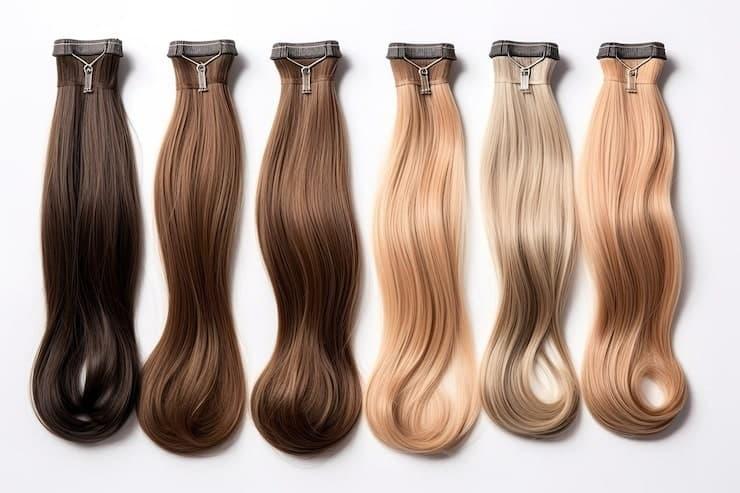 therefore intersects with both cosmetic desire and perceived sanitation.
One pragmatic reason for powdered wigs was pest control. Lice were endemic; shaving the head and wearing a separate wig made it easier to delouse the scalp and treat hairpieces. Powder—often starch, finely ground flour, or plant-based powders—helped dry oils and made it simpler to remove dirt from the wig's surface. The substances used absorbed scalp oils and reduced strong odors caused by sweat and long wear. Additionally, powdering acted as a kind of preservative, extending the visual life of a wig between professional cleanings by masking stains and smoothing the fibers.
“Powdering was both camouflage and maintenance: a surface-level cleanliness that signaled control over one’s appearance.”
Typical hair powders contained starches—wheat, rice—or finely milled malt, sometimes mixed with fragrances such as orange flower water, orris, or musk. These additions explain another part of the answer to why were wigs powdered: scent culture. In an age before modern hygiene, strong perfumes played an important social role. A powdered, scented wig masked body odors, and the choice of fragrance became an extension of taste and wealth. Perfumed powders were more expensive and thus a subtle marker of privilege.
The color white carried associations with aristocratic leisure. Pale, powdered hair suggested that the wearer did not labor outdoors and therefore belonged to a higher social tier. Governments and courts, which signaled authority by adopting wigs as part of formal dress, reinforced these associations. To answer the SEO-centered phrase why were wigs powdered, one must acknowledge that powdering was a means of visual stratification: it created a uniform appearance among elites and delineated social boundaries.

The wig trade was a thriving industry. Professional wigmakers—often called perruquiers—crafted wigs from human hair, horsehair, or goat fibers and offered services that included cutting, styling, and powdering. The economics of this trade help explain why were wigs powdered: powdered surfaces were easier to style with pomades and to hold elaborate shapes, and regular powdering visits sustained long-term client relationships. Records from guilds, invoices, and household accounts show powder purchases alongside hairpieces, indicating an embedded consumer habit.
Sumptuary laws, taxation, and political protest all touched this grooming practice. At times, authorities taxed hair powders or attempted to regulate their use as a means of raising revenue or curbing conspicuous consumption. Notably, the 1795 Hair Powder Tax in Britain caused a decline in the custom among some classes. Thus one historical answer to why were wigs powdered involves fiscal policy: when the powder carried a tax, its social desirability shifted, and alternatives or sartorial retreats emerged.
Powdering functioned differently across gender and geography. Elite men and women both adopted powdered hair as a sign of refinement, but the ritualization varied. In colonial settings, powdered wigs became symbols of metropolitan power, often imposed or emulated to demonstrate alignment with imperial authority. The visual language of powdered whiteness also intersected with racialized hierarchies—white powdered hair often marked social superiority in public spaces and was sometimes used in theatrical or judicial wardrobes to underline authority.
The decline of powdering came from many directions: changing aesthetics toward natural hair in the late 18th century, the French Revolution’s anti-aristocratic iconoclasm, public health concerns, and taxation. As military and political leaders embraced shorter natural hair and less ostentatious dress, powdered wigs fell from fashion. The practical answer to why were wigs powdered shifted into a historical footnote, with the remaining traces preserved in legal dress and theatrical costume.
Today powdered wigs survive in specific institutions—British courts, certain academic ceremonies, and historical reenactments. There the powder symbolizes continuity, formality, and tradition rather than hygiene or status in the original sense. For researchers and enthusiasts asking why were wigs powdered, these modern survivors offer live demonstrations of historical practices and prompt debates about heritage, identity, and symbolism.
Many myths have grown around the practice. One popular but oversimplified notion is that powdering was purely decorative; another claims it was only for hiding baldness. In truth, powdering combined practicality and performance: pest control, scent masking, style preservation, and social signaling all played roles. The real-world answer to why were wigs powdered therefore requires appreciating layered motivations rather than a single cause.
Barbers, perruquiers, and specialized servants often applied powder using a bellows or a powdering cloth; sometimes powders came in small boxes called "boxes of powder." Techniques included dusting, padding, and adding fragrance. The ritual could be elaborate: powdered wigs might be powdered weekly or for special events, and professional services included cleaning, restyling, and repairing. The labor behind the look reveals that powdered wigs were not a casual affectation but part of a serviced lifestyle.
Primary sources—ledgers, portraits, etiquette manuals, and law texts—offer evidence for why powdered wigs were maintained. Paintings show different powder hues and styles; contemporary diaries and household accounts record powder and hair product purchases. For scholars, the answer to why were wigs powdered becomes more nuanced when combining visual culture studies with economic history and material analysis of extant wigs and powders.
To summarize for audiences searching this topic: powdering served multiple functions—cosmetic, hygienic (by contemporary standards), preservative, perfumed, and social. If your query is why were wigs powdered, consider that the correct response crosses hygiene myths, fashion logic, and economic incentives. Keywords like powdered wigs, hair powder, perruquiers, and 18th century fashion all point to interconnected trends rather than a single motive.
Look for period inventories, paintings from the Baroque and Rococo eras, and parliamentary records like the British Hair Powder Tax debates. Museum collections of wigs and cosmetic boxes can reveal constituents of powders, while scent historians can illuminate the role of fragrance. These resources give concrete answers to why were wigs powdered and reveal how an everyday grooming habit shaped social worlds.
Beyond the historical particulars, the story touches on broader themes: how personal appearance mediates power, how material constraints shape fashion, and how hygiene narratives evolve. The question why were wigs powdered ultimately invites reflection on how visible signs—color, texture, smell—carry meaning within social hierarchies.
Powdering was believed to address cleanliness and pests, but by modern germ theory standards it did not prevent infectious disease. It did, however, help manage lice and reduce odors, which people associated with health.

Common ingredients included starches (wheat, rice), finely ground malt, and added perfumes such as orris or orange flower. Mixtures varied by cost and availability.
The decline accelerated during and after the late 18th-century revolutions, changing tastes toward natural hair, and fiscal policies like the hair powder tax; by the early 19th century, powdered wigs were mostly obsolete in daily life.
