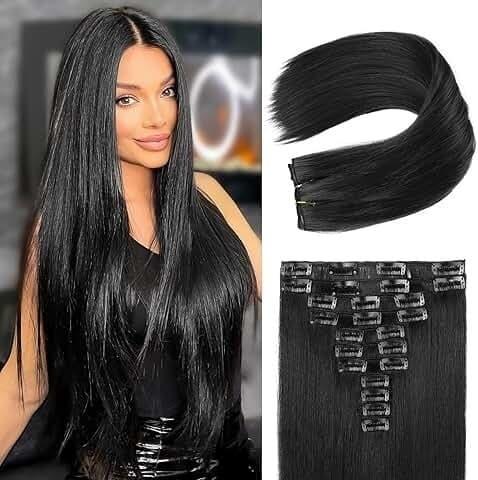
If you've ever wondered what is a capless construction wig and why many wearers praise its lightweight feel and superior ventilation, this comprehensive guide demystifies the topic. In modern wig design, capless construction describes a method where the base of the wig is made from a network of thin, flexible wefts and open spaces instead of a full closed cap. The result is a hairpiece that prioritizes breathability, reduced weight, and natural movement. Throughout this resource we will explore anatomy, advantages, fitting strategies, comfort considerations, upkeep routines, styling suggestions and common troubleshooting tips so you can confidently decide whether a capless design fits your lifestyle and aesthetic goals.
At its core, capless construction uses rows of machine-sewn wefts attached to a lightweight mesh or thin stretch material. These rows are arranged to follow the scalp's natural contours with open channels between them, allowing air to circulate directly to the head. Unlike traditional full-cap wigs that have solid lining and less airflow, capless pieces often feel cooler and less restrictive. A key keyword to remember during your search and comparison is what is a capless construction wig, which helps you find product descriptions, user reviews and technical breakdowns that emphasize ventilation and comfort.
The most celebrated benefits of capless design are closely related to personal comfort. If you ask specialists or browse user forums using the phrase what is a capless construction wig, you'll repeatedly encounter testimonials about coolness during hot weather, reduced itching and less scalp irritation. These advantages make capless wigs especially attractive to people who wear wigs for long periods, live in warm climates, or seek a more natural movement because the wefts mimic the way hair density changes across the head.
An informed decision often requires comparison. Below is a practical contrast to help you weigh options:
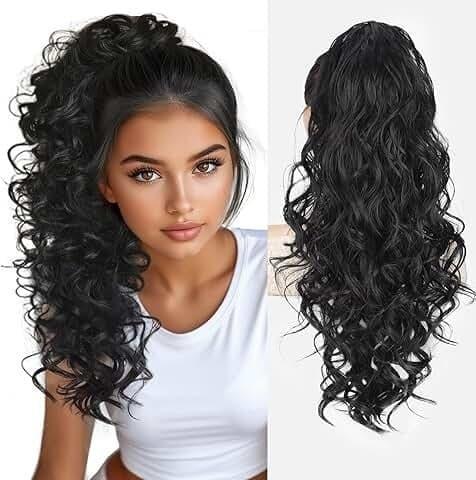
Getting the right fit is essential for comfort and confidence. When assessing what is a capless construction wig in relation to fit, consider these steps: measure your head at the circumference, front-to-nape and ear-to-ear across the hairline; compare your dimensions to the manufacturer's size chart; look for adjustable straps or elasticated panels that can fine-tune tension; inspect the wig's internal combs, clips and grip features to ensure a secure fit without pinching. A capless structure often flexes more naturally, so small sizing variances can be accommodated, but accurate initial measurement remains the gold standard.
One of the strong selling points when people search what is a capless construction wig is scalp health. Improved air circulation reduces sweat accumulation and bacteria build-up, which can help minimize odor and irritation. For users who experience sensitivity, capless options are typically recommended because they reduce contact between solid materials and the scalp. However, hygiene is still critical: regular cleaning and rotation of wigs prevent residue and microbial growth regardless of cap construction.
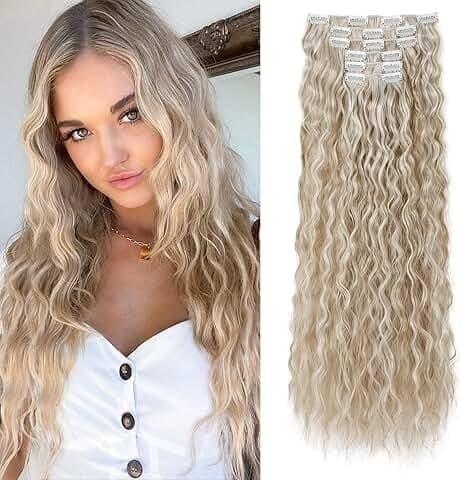
Material choices influence durability and feel. Capless wigs commonly utilize high-quality synthetic hair, heat-friendly synthetic fibers or human hair. The base mesh is usually a soft, breathable fabric; some higher-end capless models incorporate stretch lace for additional comfort. When evaluating products, weigh whether you prefer low-maintenance synthetics or versatile human hair that can be heat-styled and colored. The phrase what is a capless construction wig often appears in product descriptions emphasizing mesh quality and weft spacing because these factors directly shape the wearer experience.
Proper care extends the life of any wig, and capless constructions require specific attention to preserve their appearance and structural integrity. Follow a routine: gently brush from tips to roots using a wide-tooth comb or wig brush designed for your fiber type; wash sparingly—typically every 8-15 wears for synthetic and 6-10 for human hair depending on product and environment—using mild wig shampoo and conditioner; avoid high heat on synthetic fibers; air-dry on a stand to maintain shape and prevent mildew; store on a mannequin head or breathable bag to avoid crushing the wefts. Use the keyword what is a capless construction wig in your searches to find brand-specific care recommendations, particularly when a wig includes mixed construction elements like a lace front or monofilament crown combined with capless wefting.
Capless wigs are user-friendly for everyday styling. Because they are lighter and more ventilated, layering and movement feel natural. Here are professional tips: use lightweight products to avoid weighing down wefts; for synthetic fibers, opt for products labeled safe for synthetics; for human hair wigs, apply heat-protectant sprays before using irons or curling tools; add a lace front or tapered layers near the hairline to enhance realism; consider light backcombing at the roots to create volume without stressing the wefts. Remember to consider the wig's cap construction when choosing adhesives and tape—ventilated capless pieces may allow adhesives to bond differently than closed caps.
Budget, daily schedule and desired look affect your choice. Capless wigs are often more affordable than fully hand-tied or monofilament options while delivering high comfort. When shopping, filter descriptions for the exact phrase what is a capless construction wig or related keywords to isolate models emphasizing ventilation and lightweight bases. Consider whether you want added features such as lace fronts, adjustable ear tabs, or reinforced crowns—these hybrid features can offer the best balance between realism and breathability.
Professional stylists can modify capless wigs by adding monofilament crowns, lace fronts, or hand-tied sections for increased realism where needed. If you need more natural parting or a skin-like appearance at the part, ask your stylist about integrating a small monofilament panel while retaining the capless wefting elsewhere. This hybrid approach answers the question of what is a capless construction wig by showing how practical modifications can blend comfort with an ultra-realistic finish.
Developing a consistent routine improves comfort and extends life: start with clean, dry hair or a wig cap; secure the wig using adjustable straps and interior combs; check alignment of the hairline and part; lightly mist with a leave-in conditioner or detangler appropriate for the fiber; avoid sleeping in the wig to minimize friction; rotate between two wigs if you wear them daily to allow the fibers to rest and air out. When searching FAQs or blogs using the phrase what is a capless construction wig, you'll find community-shared routines that highlight these steps as staples of long-term satisfaction.
Common concerns include slippage, frizz, and tangling near the nape. To address these: ensure proper sizing and use non-slip wig grips if you notice slippage; reduce friction with silk or satin pillowcases and inner wig caps; apply anti-frizz serums sparingly only where fiber-compatible; for tangles, start detangling at the ends and move up slowly. If you suspect structural damage to wefts or mesh, consult a wig technician for repair—attempting to fix sewn wefts at home risks unraveling.
Capless wigs are popular for travel because of their light weight and compactness. Pack them on a soft insert or inside a breathable bag and avoid heavy folding. For active lifestyles, consider secure attachment methods—wig grips, headbands, or lightweight adhesives—and choose styles with minimal loose long layers that could snag. If you participate in high-sweat activities, rotate and clean your wig more frequently to maintain hygiene; answering the search query what is a capless construction wig will surface sport-friendly options designed with reinforced wefts and moisture-resistant linings.
Increasingly, buyers care about sourcing. Synthetic capless wigs have lower immediate resource requirements and are cruelty-free, while human hair wigs depend on ethical sourcing practices and labor transparency. Use the keyword what is a capless construction wig when evaluating vendor claims and look for certifications or supplier transparency statements. Some brands also offer recycled packaging or ethically sourced human hair programs that appeal to conscious consumers.
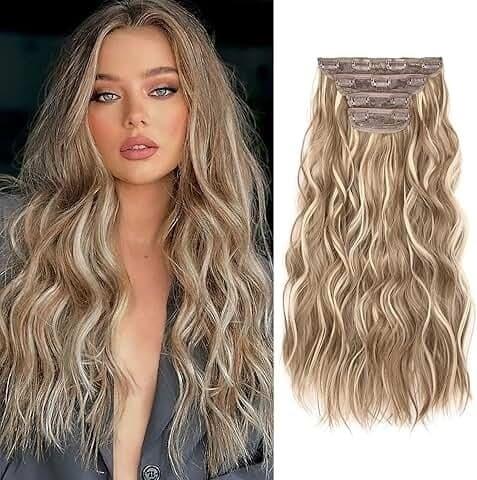
Price points vary: entry-level capless synthetics can be affordable, mid-range options include heat-friendly fibers and a wider range of colors, while high-end capless wigs with human hair or added realistic panels cost more but deliver longevity and styling flexibility. Always assess total value: factor in maintenance costs, expected lifespan, and whether the wig meets your comfort needs—those searching what is a capless construction wig often prioritize a balanced approach that combines comfort and cost-effectiveness.
Whether you're a first-time wig buyer or looking to expand a collection, keeping the question what is a capless construction wig at the center of your research will help you compare models across comfort, ventilation, and price. Capless designs excel at providing a lightweight, breathable option that can be customized or combined with other realistic elements for a polished, wearable look.
In summary, capless construction is an efficient, comfortable approach to wig manufacturing that emphasizes air flow, reduced weight, and day-to-day wearing comfort. If your priorities include long-wear comfort, lower heat retention, and a more affordable price while maintaining modern styling options, a capless wig could be the right match. Always measure accurately, choose fibers that match your lifestyle, and follow proper care steps to maximize longevity. For targeted queries, repeat the key phrase what is a capless construction wig when searching product pages, reviews and tutorials to quickly surface information and vendor content relevant to ventilation, sizing and hybrid construction options.
If you need a tailored recommendation, consult a wig specialist who can evaluate your scalp, lifestyle and styling needs and suggest a capless model or hybrid construction that best fits your expectations. Including the search phrase what is a capless construction wig while researching will help you gather comparative information and real-user experiences to make an informed purchase decision.
