If you've ever shopped for wigs or browsed styling tutorials, you may have encountered the phrase what is a 13x4 lace front wig and wondered what those numbers and terms actually mean for fit, realism and styling possibilities. This comprehensive guide breaks down construction, the hairline, cap design, sizing, installation methods, daily care and practical styling advice so you can choose and wear a 13x4 lace front with confidence. Whether you're a first-time wig buyer, a stylist, or a seasoned wearer, you'll find actionable tips and expert explanations.
A 13x4 lace front wig is a wig whose lace panel at the front measures approximately 13 inches across (from ear to ear) and 4 inches deep (from the hairline toward the crown). This configuration gives a natural-looking front hairline with ample space for versatile parting — middle, side or zigzag — while leaving the back of the cap constructed with a more durable material (often wefted or a machine-knitted cap). Key benefits include realistic front styling, easy airflow at the hairline, and a balance between natural appearance and durable cap construction.
The part of the wig not covered by lace is usually designed for comfort and stability. Common constructions paired with a 13x4 lace front include:
Lace quality matters for realism and durability. Common lace types are Swiss lace (soft and natural but delicate), HD lace (very thin, almost invisible on camera but more fragile), and French lace (stronger and slightly thicker). When evaluating a 13x4 lace front, consider the trade-off: thinner lace often looks better against many skin tones but requires careful handling; thicker lace may be more forgiving but slightly more visible.
13x4 lace fronts are available in many hair types: human hair (Remy, Brazilian, Peruvian, Malaysian), high-quality synthetic, and heat-friendly synthetic blends. Choose based on styling needs and budget. Density ranges typically span 120% (moderate), 150% (full), 180% (very full), and 250% (extra dramatic). For a realistic everyday look, many prefer 130%-180% in a 13x4 configuration; thinner densities may reveal cap curvature, while extremely thick units create a heavier, more dramatic silhouette.
Because the front lace spans 13 inches, you can create:

The 4-inch depth allows for off-center and deep parts that remain concealed by lace, making it easy to style updos, ponytails, or half-up/half-down looks while maintaining a natural hairline.
There are several ways to secure a 13x4 lace front, and your choice depends on comfort, duration of wear, skin sensitivity, and activity level.
Preparation ensures comfort and a seamless look. Key steps:
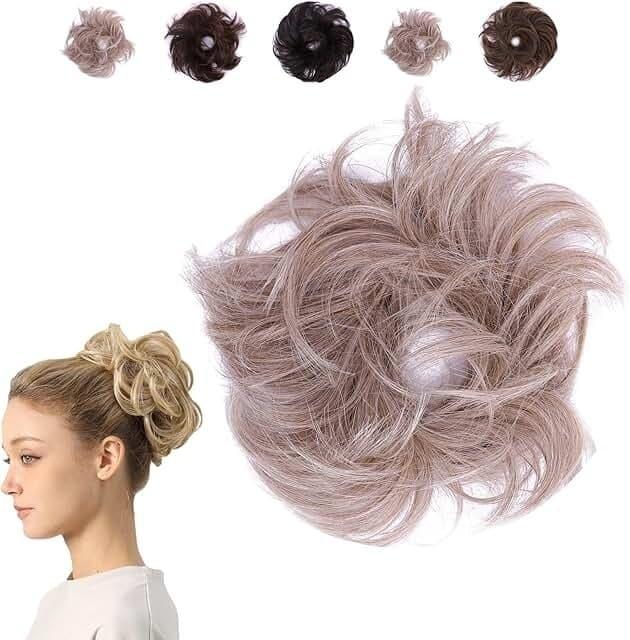
One of the most valuable benefits of a 13x4 lace front is the ability to create a believable hairline. Techniques include:
Don't over-pluck — small, irregularly spaced plucking creates a more authentic effect than a perfectly thinned line.
If you choose human hair, you can bleach, dye, and heat-style as you would on natural hair, but you should still follow best practices: use heat protectants, avoid excessive high-temperature styling, and wash with sulfate-free products. For synthetic fibers, use only heat-friendly types and follow manufacturer temperature guidelines. Proper maintenance can keep a 13x4 lace front looking fresh for months to years depending on usage and care quality.
Weekly and monthly care matters. Recommended routine:
Here's how to address a few frequent issues:
Match wig specifications to your needs:
A proper fit keeps a lace front natural and comfortable. Measure head circumference, front-to-nape length, ear-to-ear across the forehead and temple-to-temple to ensure cap size alignment. Many vendors offer small, average, and large caps, and choosing the right one reduces shifting and creates a better hairline alignment with the lace. Adjust internal straps if available to fine-tune tension.
Price points vary widely. Prioritize spending on the aspects that matter most to you. If realism and longevity are top priorities, invest more in high-grade lace, quality hair (Remy), and professional customization. If you need many color options for short-term looks, consider mid-range units and professional styling rather than premium hair quality.
Stylists often customize the lace, tinting or bleaching knots and trimming lace to match the client's hairline. They may apply mousse for baby hairs, add individual micro-wefts for density blending, or ventilate specific crown areas for improved movement. If you plan to have a stylist install your wig, discuss desired part placements and any planned chemical or color services before purchase.
A 13x4 lace front wig is ideal for anyone seeking a realistic, versatile hairline with multi-parting options without the expense of a full lace cap. It blends a natural-looking front with a strong, comfortable cap at the back, offering a balance of style flexibility and value. Use careful installation, customized hairline work and proper maintenance to maximize realism and lifespan.
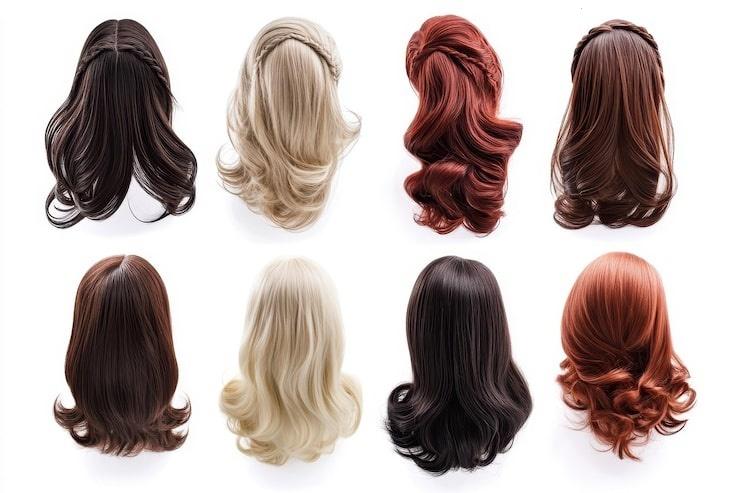

When purchasing human hair wigs, consider vendors who disclose sourcing practices. Ethical sourcing and transparent supply chains are increasingly important; some brands now offer traceable sourcing or alternative high-quality synthetic options that reduce environmental impact.
Investment in better quality often pays off: a well-maintained Remy 13x4 lace front can last much longer than a low-cost synthetic unit, making the upfront cost per wear lower over time. Factor in professional customization and repair costs when budgeting.
The goal is a seamless transition from forehead to wig. Techniques include lace tinting, concealing knots, blending frontal baby hairs, and using minimal head movement to train the lace over the first few wear sessions. Light makeup along the part line and a matte powder can simulate scalp texture for photos and video.
With adhesives, you can expect 1-3 weeks of secure wear depending on activity and product quality. Tape often lasts 7-14 days. Glueless tech is meant for daily removal and reapplication. Rotate between units to prolong life and allow the lace to rest.
Avoid harsh chemicals at the knot line, be gentle when cleansing, and minimize direct sweat or oil contact with adhesives. When removing glue, use a recommended solvent rather than force, and rinse remaining residue gently. Proper care avoids premature fraying of lace and prolongs aesthetic appeal.
If uncertain, consult a professional stylist who specializes in lace fronts or visit reputable forums and communities where users share photos and product experiences. Visual examples are particularly helpful when judging lace visibility and hairline realism.
To recap, a what is a 13x4 lace front wig question is best answered by focusing on the lace dimensions (13" ear-to-ear x 4" deep), cap type, lace material, hair quality, and how these elements meet your needs for styling versatility, natural appearance and durability. With the right match, proper installation and maintenance, a 13x4 lace front can be one of the best investments for a natural-looking, flexible wig experience.
A: Yes, many people wear them daily, but rotating units and following a careful care routine will preserve the lace and hair longer. If using adhesives, give your scalp rest periods and use skin-friendly products.
A: "Better" depends on your needs. A 13x6 gives more depth for parting while a 5x5 centers depth for a small, realistic frontal. A 13x4 balances width with moderate depth, suited for versatile front styling without full lace costs.
A: Use high-quality HD or Swiss lace, bleach knots if appropriate, tint the lace to your skin tone, and apply minimal, matte makeup along the part. Professional customization can help if you're regularly on camera.
