If you're reading this because the ends of your synthetic wig started to look dry, fuzzy or frayed, you're in the right place. This guide focuses on proven, safe techniques that explain how to fix synthetic wig ends quickly while also giving you long-term care habits to prevent recurrence. Whether you need a fast emergency fix before going out or a more thorough restoration session at home, the following steps, product recommendations and preventative strategies will help you regain sleek, natural-looking tips without damaging the fibers.
The most common causes of frayed or rough wig ends include mechanical abrasion (rubbing against collars, bags or rough fabrics), heat exposure from styling tools not rated for synthetic fibers, inadequate detangling, use of harsh chemicals, and simple wear-and-tear from frequent brushing. Synthetic fibers are made from polymers that do not replenish like natural hair, so once ends split or the polymer coating degrades, the visual change is obvious. Understanding those root causes is the first step when researching how to fix synthetic wig ends—you need to match the repair method to the damage type and the fiber's heat tolerance.
Before attempting any smoothing that involves heat, check the wig label or packaging. Many modern synthetics are labeled "heat-friendly" or "heat-resistant" and tolerate styling tools on a low setting. If there is no label, assume it is non-heat-resistant and avoid irons or high-temp devices entirely. A safe test: choose a hidden strand, set a styling tool to the lowest temperature (or use steam), and apply for 1–2 seconds. If the strand melts, bubbles, or becomes sticky, stop immediately. This safety check is critical for anyone seeking to learn how to fix synthetic wig ends using thermal methods.
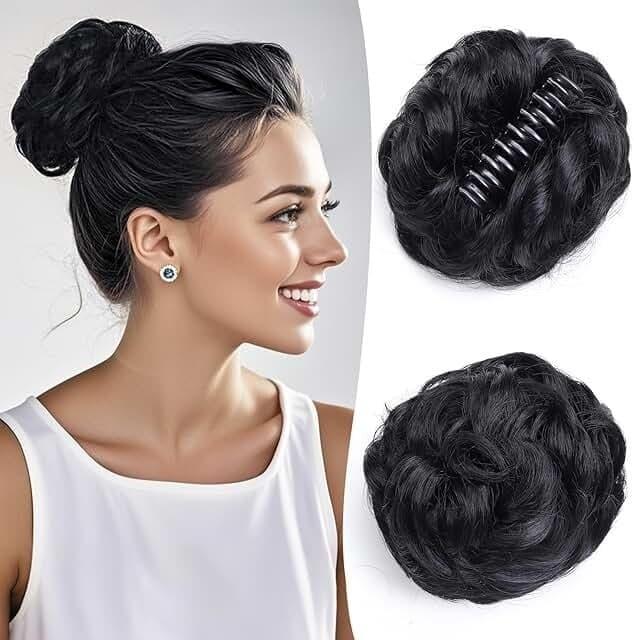
When ends are severely tangled or the fibers have lost their smooth finish, a deeper repair is necessary. Begin on clean, dry hair or slightly damp hair after a gentle wig shampoo. Use a wig conditioner or diluted fabric softener applied lightly to the lengths and ends; let it sit for 10–15 minutes, then rinse with cool water and blot with a microfiber towel. Place the wig on a stand and let it air-dry until slightly tacky. Work section by section: detangle, trim, apply a silicone serum or wig-specific restorative product, and finish with a low-heat pass if the fiber allows. This method restores softness and reduces ongoing breakage.
Professional stylists experienced with synthetic hair can make precision cuts and use professional-grade sealants that result in a natural look. If you're comfortable with scissors and careful sectioning, DIY trimming is economical and effective—just practice conservative cuts. When in doubt, take only small amounts off the ends and re-evaluate the look; you can always trim more later.
Effective products include silicone-based serums, wig-specific detanglers, flexible fabric glues, and low-temp heat protectant sprays formulated for synthetics. Avoid standard hair oil treatments designed for human hair kernels (some are too heavy), common household superglues (which become brittle and can discolor fibers), and high-alcohol sprays that dry fibers out. Clear nail polish is a commonly suggested hack for sealing ends, but it tends to become rigid and flake—choose flexible, fabric-safe alternatives instead.
If your wig can't tolerate high temperatures, rely on mechanical and product-based methods: precise trimming to remove damaged tips, leave-in silicone or anti-frizz sprays to smooth surface cuticles, and sealing with a flexible glue or a specialized tip-sealer designed for synthetic doll or wig fibers. Steam can sometimes help reshape synthetic fibers—use a hand steamer from a safe distance and avoid direct contact with the ends until you know how the fiber will respond. Remember, the goal in non-heat methods is to reduce individual frizz and bind loose fibers rather than true fusion like with thermal tools.
When you need a fast comeback before going out: mist, detangle, apply a tiny amount of serum to the tips, and smooth with your fingers or a low-heat tool if appropriate. For bangs or short layers that stubbornly frizz, tuck the ends under with a small amount of flexible gel or a no-heat setting on a travel steamer, then set with a cool blast of air from a hairdryer to speed up drying and locking in shape.
If tips remain fuzzy after trimming and product application, consider the following: Did you use enough detangling product prior to brushing? Were the scissors blunt or jagged? Did you accidentally over-apply a product causing buildup? Answering these questions helps refine your approach to learning how to fix synthetic wig ends. If you notice melting or sticky spots after heat attempts, stop using heat on that wig—those areas likely suffered irreversible damage. For persistent tangles near the ends, working through with a detangling spray and a loop brush is usually more effective than brute force brushing.
When you trim ends, uneven cuts can look unnatural, especially on layered wigs. Use thinning shears to blend blunt edges into the rest of the hair, or create soft point-cuts vertically into the tips to avoid a choppy look. These small texturizing moves are an advanced but worthwhile element of mastering how to fix synthetic wig ends with a professional finish.
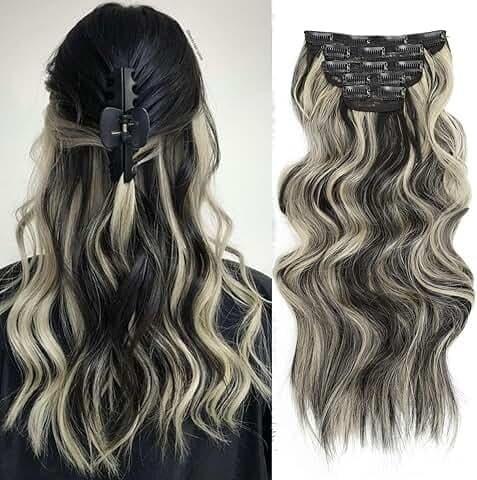
If the wig is high-value, vintage, or professionally styled, a wig technician or stylist with synthetic experience can save the piece. They can reshape, restyle, and apply professional-grade sealants or perform a precision trim that is difficult to replicate at home. For anyone questioning how to fix synthetic wig ends without risking damage, a consult is worth the cost.
A DIY quick fix can cost under $20 if you already own tools like scissors and a comb. Mid-range restorative products such as silicone serums and wig conditioners range from $10–$30. Professional services vary more widely, from $20 for a basic trim to $75+ for detailed restoration and restyling. Timewise, emergency smoothing takes 10–20 minutes; a deep restorative session ranges from 30–90 minutes depending on severity.
Finish by fluffing and shaping with your fingers, not a brush; finger-smoothing keeps the ends aligned and natural. If an overly shiny product makes the tips look artificial, blend with a matte texturizing spray on the mid-lengths to balance the sheen. Subtlety is key: small, targeted products on tips yield better results than heavy-allover application.
If you want a temporary camouflage for frayed ends, create movement by adding soft waves with gentle braids or large rollers on heat-safe fibers; waves distract the eye from imperfect tips. You can also integrate hair accessories and headbands to shift focus away from the ends. These are stylistic workarounds rather than repairs, but they save time when you need an immediate aesthetic boost.
How to fix synthetic wig ends is as much about ongoing care as it is about the repair moment—consistent, gentle maintenance preserves the shape and minimizes the frequency of deep fixes. Use the strategies above according to your wig's material and the degree of damage.
Be patient and methodical: small, careful trims combined with appropriate smoothing products will give the best, least destructive results. Always err on the conservative side when cutting, and if you're unsure about adhesives or heat, consult a professional. With a bit of practice you'll become adept at assessing damage quickly and choosing the right repair path—whether a lightning-fast 10-minute fix before an event or a longer restorative session that rejuvenates the wig for months of wear.
With these guidelines you now have a robust toolkit to address and prevent fraying: detangle, trim conservatively, apply targeted smoothing, choose the right sealing method for your fiber, and maintain gently to extend the life of your tips. If you're practicing techniques for the first time, keep a practice wig or hidden strand for testing; experimentation with small areas is the safest route to mastering how to fix synthetic wig ends.
