This comprehensive guide explores a question many people ask when they see images of British courtrooms or watch legal dramas: do lawyers in england still wear wigs? The short answer is nuanced: yes, but not always and not in every setting. This article explains the history, current conventions, practical reasons, and the modern reforms that have reshaped courtroom attire across the United Kingdom.
The phenomenon of the powdered wig dates back to the 17th century, when wigs became fashionable among the social elite. Legal professionals adopted the wig as a visible symbol of formality, anonymity, and continuity. Over centuries, the wig evolved into a symbol of the legal profession's dignity and the impersonality of law — conveying that the law stands beyond any single individual's personality. As fashions changed, wigs remained part of the ceremonial and professional wardrobe in many common law jurisdictions.
While tradition preserved many aspects of court dress, successive reform efforts during the late 20th and early 21st centuries sought to balance tradition with accessibility and modern sensibilities. The result is a pragmatic patchwork: in some courts wigs remain common and expected, while in others they have been scaled back or abandoned entirely. Debates about relevance, intimidation, colonial associations, and public understanding shaped reforms, prompting governing bodies to modernize rules while preserving ceremonial dress for certain high-stakes hearings.
Understanding who wears wigs requires distinguishing between roles, courts, and types of proceedings. The primary categories to consider are judges, barristers (advocates), and some courtroom officials.
Judges historically wore wigs for many hearings, reinforcing their impartial role. Today, judicial attire varies by court level and type of hearing. In many criminal trials and some higher formal sittings judges are still seen wearing wigs, although in other contexts they may opt for simpler robes or forgo wigs entirely. Judicial practice is shaped by formal guidance and by local traditions within England & Wales, as well as by the separate legal systems of Scotland and Northern Ireland.
Barristers remain the group most strongly associated with wearing wigs. In criminal trials, particularly in Crown Court and other solemn proceedings, barristers commonly wear wigs and gowns to appear before juries. For certain appellate hearings and ceremonial occasions, wigs are retained as part of full court dress. However, in many modern civil and family law hearings, barristers may appear without wigs, reflecting efforts to de-escalate formality where appropriate.
Solicitors traditionally did not wear wigs except where they possessed rights of audience and chose to adopt similar dress. Magistrates and many tribunal members do not wear wigs; they often wear gowns or business dress, depending on the forum and the occasion. Specialist tribunals and administrative hearings emphasize accessibility, so wigs are rarely seen there.
The type of proceeding is one of the strongest predictors of whether wigs will be worn. In criminal courts, where jury trials and solemnity are central, wigs and full court dress are more likely to be used. In civil and family courts, reforms aimed at reducing stress and removing barriers to participation have encouraged less formal attire in many hearings. This functional distinction explains why images of criminal courtrooms often show wigs while family court coverage often does not.
There are several rationales for maintaining wigs in criminal courts: historical continuity, perception of authority before a jury, and the symbolic separation between advocate and client. Family and civil courts tend to prioritize a more approachable environment where the parties are often personally affected and reduced formalism can aid communication and reduce perceived intimidation.
Practices vary across the UK's legal jurisdictions. England and Wales share many conventions, whereas Scotland and Northern Ireland have their own traditions and rules. In Scotland, advocates have their distinctive attire and local courtroom customs; in Northern Ireland, court dress broadly resembles that of England & Wales but with its own local nuances. For anyone asking do lawyers in england still wear wigs it is also useful to remember that the UK is not uniform and different courts maintain different standards.
Some former colonies and other common law countries retained wig traditions; others abandoned them as part of legal modernisation. Comparisons show that the persistence of wigs is often tied to local attitudes toward legal formality and historical continuity.
Arguments for retaining wigs include continuity, solemnity, and the visual separation between the person and the office they represent. Arguments against wigs focus on accessibility, comfort, climate (wigs can be hot), cost, and perceptions of elitism. Reforms have sought to balance these considerations by allowing discretion in non-criminal matters while keeping wigs in formal criminal settings.
Modern courtrooms are also shaped by practical considerations: digital hearings, video links, and more informal public engagement have reduced the functional need for rigid traditional dress. Some professionals prefer the identity and authority conferred by traditional attire; others feel wigs weaken modern communication and rapport. The ongoing tension ensures that wigs remain part of the debate about how courts should present themselves to the public.
When trying to determine whether someone will wear a wig in court, consider the following checklist: the jurisdiction (England & Wales vs Scotland vs Northern Ireland), the type of court (Crown Court, magistrates, family, tribunal), the role of the person (judge, barrister, solicitor), and whether the hearing is ceremonial or routine. Official court websites and recent practice directions provide the clearest, up-to-date guidance for specific venues.
If you're attending a hearing and unsure whether wigs will be used, check the court's published guidance or call the court office. In most criminal Crown Court sittings you'll see at least some wigs; in many civil, family and tribunal hearings you probably will not.
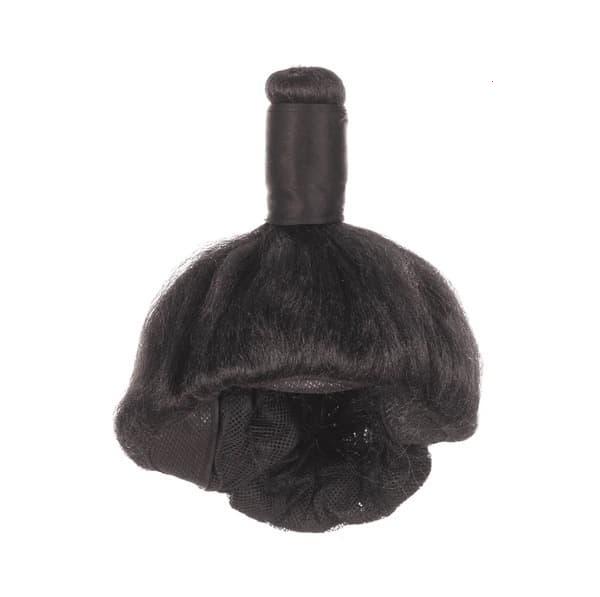
The discussion about whether lawyers should wear wigs touches on broader themes: inclusivity, the image of justice, the balance between tradition and accessibility, and the public's perception of the legal system. Proposals for reform emphasize simplifying dress for ordinary hearings while reserving traditional attire for ceremonial or highly formal settings. That compromise seeks to preserve institutional heritage where it matters most while reducing unnecessary barriers in everyday justice.
Public opinion is mixed: some view wigs as an essential part of the mystique and continuity of law; others see them as outdated. Media representations often reinforce the association between wigs and legal seriousness, but lived experience in family and civil courts presents a different image of modern practice.
So, do lawyers in england still wear wigs? The answer is: yes, in many criminal and ceremonial contexts, but no, not universally across all courts and proceedings. The landscape of court dress is a blend of preserved tradition and selective modernisation. Wigs endure as a visible symbol in specific settings while many routine hearings have embraced a more modern and accessible approach. Understanding which lawyers wear wigs—and when—requires attention to role, venue, and the type of hearing.

For authoritative updates consult the relevant court websites and the professional guidance from the Bar Council, Law Society, and judiciary bodies governing court dress. Local practice directions give the final word on what is required in any specific hearing.
Whether for historical curiosity or practical planning, knowing when wigs are likely to appear in court enhances your understanding of how heritage and modern practice coexist in the UK's justice system.
FAQ
