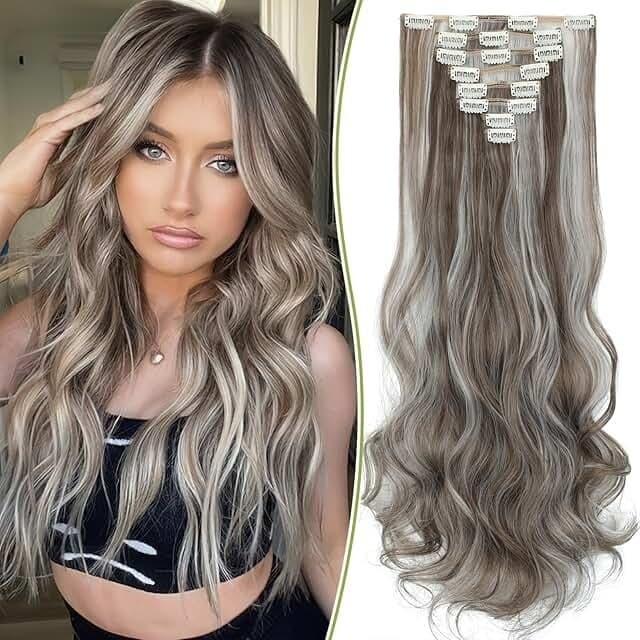
Buying a wig is an investment in style, convenience and confidence. For many shoppers the search phrase amazon human hair wigs leads to hundreds of options, but not every listing delivers the same level of quality. Genuine human-hair pieces behave, style and age differently than synthetic alternatives. This long-form guide helps you distinguish real from fake, gives a checklist for purchasing from large marketplaces, and provides a professional-level maintenance routine so your wig lasts and looks natural for months or years. Whether you are a first-time buyer or an experienced wearer, you will find practical tests, inspection points and upkeep tips that protect your investment.
Before diving into details, here are quick identifiers for authentic hair: color and tone variation across strands, natural movement and weight, minimal shine compared to synthetic fibers, consistent cuticle direction, ability to tolerate heat styling, and realistic shedding patterns (a few strands at the base but no massive breakage). When shopping for amazon human hair wigs look for honest product descriptions, multiple high-resolution photos, clear seller policies, and reviews with photos. Listings that promise miracle longevity for unrealistically low prices should be examined closely.
Once your amazon human hair wigs order arrives, inspect the package and wig before trying on. Follow this step-by-step verification protocol:
Cap structure matters for comfort and realism. Common caps include full lace, lace front, and machine-tied caps. Full-lace caps allow versatile parting and natural-looking hairlines for high-end amazon human hair wigs. Lace front caps provide a realistic frontal hairline but may restrict styling options at the crown. Monofilament tops create a scalp-like appearance at the part and are ideal for frequent part changes.
Hair origin labels such as "Remy", "Virgin", "European", "Brazilian" and "Indian" describe the cuticle alignment, processing and expected texture. Remy indicates cuticles aligned in one direction, which reduces tangling and increases lifespan. Virgin hair is minimally processed. Many reputable amazon human hair wigs will state the origin clearly and whether cuticles are intact. Beware of ambiguous claims or labels that mix marketing terms without details.
Maintaining human hair wigs correctly prolongs life, keeps shine natural and prevents tangling. Use salon-quality techniques adapted for wigs: gentle handling, low-tension storage, and appropriate products. This section covers daily, weekly and seasonal care for amazon human hair wigs, plus product recommendations and troubleshooting.
Human hair wigs can handle styling similar to natural hair but need more cautious heat application. Always use a quality heat protectant spray and keep iron temperatures moderate—no hotter than 350°F (about 180°C) for many processed wigs; virgin hair can tolerate slightly higher but still be conservative. Limit daily high-heat styling to avoid gradual dryness and breakage. When coloring, bleaching or chemically altering a wig, consult a professional experienced with wigs, since processed hair may react unpredictably.
Store wigs on a mannequin head or padded wig stand to keep shape and prevent tangles. For travel, place the wig in a silk or satin bag and keep it protected from crushing. Schedule protein treatments or deep conditioning every 8-12 weeks depending on wear frequency; avoid overlapping silicone-based products that build up and cause slip—clarify occasionally with a gentle shampoo.
Small problems can be solved at home. For loose wefts, use a curved needle and wig thread to secure. Replace or resew combs inside the cap to improve grip. If the lace shows signs of lifting, reapply lace adhesive correctly after cleaning and prepping the scalp or wig perimeter. For thinning areas or parted sections that look unnatural, add pre-made baby hair or correct the part with concealer products designed for wigs.
Major color corrections, extensive bleach, or structural cap alterations should be handled by specialist wig technicians. A professional can restyle, re-lace, or convert a machine-tied cap to lace frontal construction safely.
On large marketplaces, quality control relies heavily on community feedback. Review images and identify consistency across multiple buyers. Ask sellers for extra photos or short videos of the wig moving, the inside cap and the lace up close. Request clarification on the return window and restocking fees. Sellers who provide traceability—batch numbers, origin certificates, or details about the remy process—are often more trustworthy.
Keep the original packaging and tags until you are sure the wig meets expectations. If a product claims to be "100% virgin human hair" but fails the basic tests, contact the seller first and then the marketplace's buyer protection if needed. Screenshots of product descriptions and conversations can support disputes.
Price is an indicator but not a guarantee of quality. Very low-cost amazon human hair wigs are often sourced from mixed-quality supplies, heavily processed, or constructed with lower density. Extremely expensive wigs may reflect brand markup, boutique processes, or true premium virgin hair. Compare across sellers, review sample photos and weigh return options to maximize value.
Myth: "All hair labeled 'Remy' is premium." Reality: Remy is a cuticle alignment technique, but processing, coloring and construction quality still vary. Myth: "Cheap wigs can be made premium with products." Reality: Quality base material (intact cuticle, virgin hair) matters most; you can improve finish but not fundamentally upgrade poor hair. Myth: "Human hair never tangles." Reality: Even real hair tangles if cuticle damage, poor storage or heavy product build-up occurs.
Demand for human hair raises ethical sourcing questions. Some reputable suppliers provide traceable sourcing and fair compensation claims; others do not. If ethical sourcing matters to you, look for sellers who explain collection methods and fair trade practices. This can also be a differentiator when selecting among amazon human hair wigs offerings.
| Do | Don't |
|---|---|
| Do inspect lace closely | Don't assume every "virgin" tag is accurate |
| Do store on a stand | Don't sleep with an unsecured wig |
| Do use sulfate-free shampoo | Don't overuse silicone products without clarifying |
| Do test a small area with heat | Don't aggressively brush from roots to ends |
Opt for gentle, hydrating shampoos, silicone-free serums in moderation, heat protectants rated for human hair, and wide-tooth combs or boar-bristle blended brushes for smoothing. Choose storage stands made of breathable materials to avoid odor build-up.

Medical use requires comfort, low-weight caps and breathable materials. Choose lighter caps and adjustable straps for long-duration wear. For high-activity lifestyles or humidity-prone climates, invest in lace front caps with secure adhesives and consider a light maintenance routine more frequently. When coloring or perming, always consult pros to match lift levels and maintain cuticle integrity—this preserves the longevity of amazon human hair wigs.
Humidity can cause frizz; anti-humidity sprays help but use sparingly. Salt air and chlorinated pools can severely damage wigs—use swim caps and rinse thoroughly after exposure. Seasonal dryness from heaters requires additional moisturizing treatments, while humid summers may benefit from lighter leave-in conditioners.
Following these steps and keeping the purchase and care strategies above will help you identify and maintain high-quality amazon human hair wigs that look natural and last longer. Investing time in verification, asking direct questions, and applying professional maintenance routines dramatically improves outcomes compared to impulse buys.
Remember, scalp health matters too—if you wear adhesives, rotate adhesive-free days and maintain scalp hygiene to prevent irritation. Keeping a small repair kit and a maintenance schedule will save time and money over the long term.
A: With proper care, virgin human hair wigs purchased from reputable sellers can last 12-24 months for regular wear; with occasional use and meticulous maintenance they can last several years.
A: Technically yes, but dyeing and bleaching can weaken cuticles. For major color changes, seek a professional who understands wig-specific techniques and can maintain cap integrity.
A: Use medical-grade adhesives, follow skin-prep protocols, and keep removal solvents handy. Practice application on mannequin heads or under professional guidance before extended real-world wear.
Use the guidelines above to make informed choices and treat your wig like a high-value accessory: the better you care for it, the longer it will look, move and perform like natural hair.