This comprehensive resource explores everything you need to know about choosing and maintaining a dreadlock wig or faux loc hairpiece, helping both newcomers and experienced wearers achieve longevity, healthy scalp balance, and a natural look. Whether you're researching your first purchase or fine-tuning your maintenance routine, this guide covers material types, sizing, installation options, styling techniques, washing schedules, repair tips, seasonal care, and sustainable choices.
Opting for a dreadlock wig can be transformative: it offers instant length, protective styling, and versatility without committing your natural hair to long-term tension. People choose a dreadlock wig for protective styling, fashion experimentation, cultural expression, or simply convenience. A high-quality piece delivers realistic texture and a comfortable wear experience while minimizing manipulation of your natural hair.
Understanding material composition is essential. Manufacturers offer synthetic fibers, heat-resistant synthetics, human hair blends, and 100% human hair locs. Each has pros and cons for appearance, styling and longevity.
Synthetic dreadlock wig options are affordable and available in many pre-made textures and colors. They are lightweight and maintain shape well, but may have limited heat-styling options and a shorter lifespan compared to human hair.
Heat-tolerant synthetic fibers allow curling or light flat-ironing at controlled temperatures. These are a middle-ground for wearers who want styling flexibility without the price of human hair.
Human hair or blended dreadlock wig pieces provide the most natural look and can be styled with heat, colored, and treated like your own hair. Expect higher cost and increased care needs — washing, conditioning, and occasional re-twisting are essential to preserve the integrity.
Cap design impacts comfort and realism. Common cap types include full lace, lace front, monofilament, and basic wefted caps. For a realistic hairline and parting, lace front or full lace dreadlock wig constructions are ideal. For a budget-friendly secure option, look for adjustable straps and breathable caps.
Measure circumference, front-to-nape, and ear-to-ear over the top for accurate fit. Most sellers provide size charts; always refer to the manufacturer's sizing guide to avoid a too-loose or too-tight purchase.
Color choices range from natural hues to bold, fashion colors. Consider ombre pieces or colored tips for subtle flair. For a low-maintenance natural look, choose shades that complement your skin tone. Density determines volume — lighter density yields a more natural, less heavy appearance while higher density produces dramatic volume.

Installation depends on lifestyle and how long you intend to wear the piece. Common methods include clip-in, wig glue or adhesive, sew-in with a wig cap, and taped-down systems. Each method has maintenance implications.
Clip-in options are ideal for occasional wearers who need quick removal. They limit scalp adhesion and are the easiest on the hairline.
Glue or tape can produce a very natural, secure edge but requires careful application and removal to protect the perimeter hair and skin. Avoid prolonged adhesive wear without breaks to reduce tension and irritation.
Sewn caps often sit on a braided base and distribute weight, offering long-term security. They are used by wearers seeking extended wear and stable fits for active lifestyles.
To make a dreadlock wig look seamless, focus on parting, baby hairs, and blending the hairline. Use gentle products and tools designed for loc textures.
Tweaking the lace front, plucking sparsely, and applying subtle edge gel to lay baby hairs can add realism. Consider adding a few thin, natural locs or extensions along the perimeter to mimic regrowth.
dreadlock wig units are adaptable: high buns, top-knots, half-up styles, and wrapped ponytails enhance variety. Secure heavier styles with soft bands and avoid overly tight ties that stress the cap and your edges.
Beads, cuffs, scarves, and wraps not only personalize a look but can help hide cap edges and clips. Use lightweight accessories to avoid unnecessary weight and strain.
Proper maintenance intervals depend on activity levels and environment, but a general rule is to wash every 2-6 weeks for synthetic units and 1-3 weeks for human hair dreadlock wig pieces. Frequent washing helps control product buildup and scalp health.
Synthetic pieces require cooler water and specific synthetic-friendly shampoos. Avoid heat unless labeled heat-resistant. Air dry on a mannequin head and reshape locs while damp.
Allow a full air dry to prevent mildew. For blends and human hair, a low-heat dryer can speed drying only if the fibers are rated for heat. Re-twist or palm-roll sparingly to preserve the original structure and avoid frizz — aim for maintenance sessions every 4-8 weeks depending on wear and environment.
Frizz, loose ends, and occasional breakage are normal. Simple repair techniques include trimming frayed ends, re-tightening loose roots with a crochet hook, or consulting a professional loctician for restorative work. Keep a repair kit with a crochet latch hook, snag-free elastic bands, and spare synthetic fibers for patching.
If the unit shows excessive shedding, base separation, or persistent matting, a professional can assess whether deep cleaning, re-rooting or structural repairs are possible and cost-effective.

Daily upkeep for a dreadlock wig should be minimal: gentle finger-styling, occasional light misting with a leave-in conditioner designed for locs, and periodic scalp cleansing if wearing the unit for extended periods. Products to consider: residue-free clarifying shampoo, lightweight moisturizing sprays, natural oils for the scalp, and satin-lined caps for nighttime.
Climate affects maintenance. In humid climates, focus on anti-frizz products and thorough drying. In dry or cold climates, increase moisturizer frequency for the scalp and protective headwear to minimize static. For swimmers, always rinse and clarify after chlorinated or saltwater exposure and consider swim caps to limit saturation.
Pack a small care kit: travel-sized sulfate-free shampoo, a spray bottle of leave-in, elastic bands, and a satin scarf. For long flights, secure the unit with soft bands and sleep with a satin neck pillow to reduce movement.
Many wearers make preventable errors that shorten a unit's lifespan. Avoid extremely tight installations, excessive product use, and skipping regular cleansing. Rotate styles and give your scalp occasional breaks to recover from extended wear.
When buying a dreadlock wig, investigate the origin of fibers and the brand's ethical practices. Human-hair units sourced responsibly and synthetic fibers with recyclable packaging reduce environmental impact. Consider investing in a higher-quality piece that lasts longer to minimize waste.

Prices range broadly: affordable synthetic loc wigs start at lower entry points while heat-resistant and human hair units cost more. Factor in long-term maintenance, potential professional installations, and product expenses when calculating total cost of ownership. Often, paying more upfront for quality pays off with extended wear and better aesthetics.
Buy from reputable sellers with clear return policies, customer photos, and detailed product specs. Ask about fiber type, cap construction, shipping lead times, and care instructions. Request swatches or photos under natural light if color accuracy is critical.
Work with a stylist experienced in locs and wig installations, especially for lace front or full-lace dreadlock wig pieces. Professional installation often yields the most natural hairline and secure fit, and a stylist can advise on blending techniques and maintenance schedules suited to your lifestyle.
If you plan extended wear, complex color matching, or a custom-length unit, professional help improves results and reduces the risk of damage to both your natural hair and the wig.
Many people personalize their dreadlock wig by adding beads, tapering lengths, or integrating a few natural locs for blend. When altering, use proper tools and avoid over-manipulation. For dye or heavy chemical work, consult a professional to prevent fiber damage.
Understand that no wig is permanently maintenance-free. Even the best dreadlock wig requires periodic upkeep, and having realistic expectations about care can ensure satisfaction and a longer lifespan.
Choosing the right dreadlock wig is a balance of cost, material, cap fit, and lifestyle. Prioritize comfort and natural aesthetics, invest in quality if possible, and follow a tailored care routine. With attention to washing, drying, gentle styling, and periodic professional checks, your unit can remain a striking, practical part of your style rotation for months or even years.
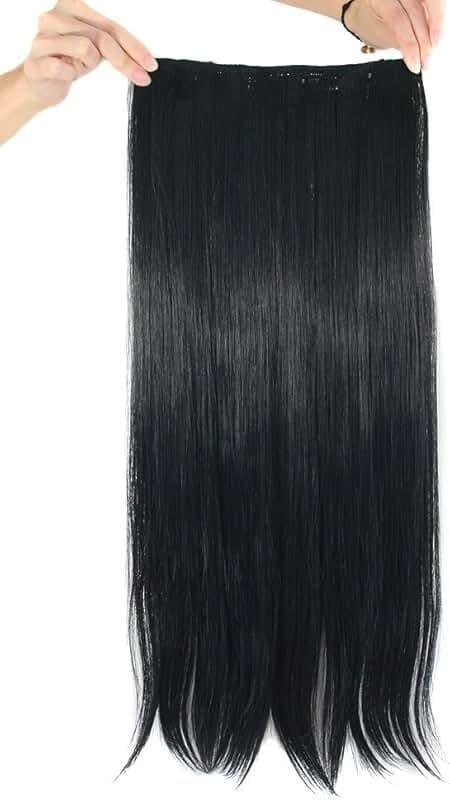
Yes, but always secure it with a satin scarf or bonnet to reduce friction and shifting. For extended wear, remove the unit occasionally to let your natural scalp breathe.
Lifespan depends on material and care. Synthetic units may last several months with careful handling; heat-friendly and human hair units can last 1–3 years or longer with proper maintenance.
Yes, use cool water and synthetic-friendly cleansers. Avoid heat unless labeled heat-resistant. Air drying on a wig stand preserves shape.
Arming yourself with knowledge about materials, fit, styling, and care makes the process of purchasing and wearing a dreadlock wig far more rewarding. Thoughtful choices and consistent maintenance yield the most realistic results and extend the beauty of your investment. Enjoy experimenting and expressing yourself with confidence.
