Practical Guide: Lifespan Expectations and Care Strategies for Human Hair Wigs
If you've been asking how long do human hair wigs last and what you can do to get the best value from your investment, this comprehensive resource is designed to help. Human hair wigs can look natural, move with your head, and be styled with heat and dyes like natural hair, but their longevity depends on a variety of factors including quality, frequency of use, maintenance routine, and lifestyle. Below you'll find an organized, SEO-focused exploration of realistic lifespans, step-by-step care techniques, and practical suggestions to noticeably extend the life of a human hair wig.
Quick Answer: Typical Lifespan Ranges
When people search for how long do human hair wigs last they often want a simple number. The honest, useful answer is a range because usage patterns matter. In plain terms:
- Daily wear (every day): approximately 6 months to 1.5 years with consistent, careful care and high-quality hair.
- Frequent but rotated wear (several times a week): around 1 to 2.5 years.
- Occasional wear (special events, weekends): 2 to 4 years or longer.
These are approximate, and superior Remy or hand-tied human hair wigs can sometimes last 3+ years with meticulous care and professional servicing. Conversely, lower-grade hair that has been heavily processed or poorly ventilated on the cap may degrade faster.
Key Variables That Determine Lifespan
- Hair quality and cuticle alignment: Remy hair (cuticles aligned) resists matting and tangling, increasing longevity.
- Cap construction: Monofilament and hand-tied caps offer more natural movement but may be delicate and require careful handling.
- Processing and color treatments: Bleached or heavily dyed hair is more porous and fragile.
- Frequency of washing and styling: Heat styling and daily washing accelerate wear.
- Environmental exposure: Sun, chlorinated pools, and salt water cause dryness and color fade.
- Storage and mechanical stress: Proper storage on a stand vs. crumpled in a drawer affects shape and fiber life.
Daily and Weekly Care Routine to Extend Service Life
Adopting a routine helps answer the practical side of how long do human hair wigs last—you get to decide the upper end of that range. Consider this maintenance schedule:
- Daily: Gently detangle with a wide-tooth comb or wig brush from ends upward; avoid brushing wet unless the brush is meant for wet hair; use a leave-in conditioner spray with UV protection.
- Weekly to biweekly: If you wear the wig every day, wash it every 1–2 weeks using a sulfate-free, wig-friendly shampoo. Use cool to lukewarm water and minimal rubbing.
- Monthly: Apply a deep conditioning treatment or protein/moisture balance mask once a month; rinse thoroughly and air dry on a wig stand.
Step-by-Step Washing and Conditioning

Proper cleaning is a crucial countermeasure to premature deterioration:
- Fill a basin with cool water and add a small amount of gentle, sulfate-free shampoo designed for human hair or wigs.
- Submerge the wig, gently swish—do not rub or twist. Let it soak 3–5 minutes if particularly soiled.
- Rinse thoroughly with cool water in the direction of the hair to minimize tangling.
- Apply a nourishing conditioner or mask mid-length to ends; avoid saturating the base if the cap is delicate.
- Leave the conditioner on for the time recommended, then rinse in cool water.
- Gently blot with a towel and place on a wig stand to air dry; avoid direct sunlight and heat sources.
Following these steps consistently will notably increase the period your wig remains soft, glossy, and manageable.
Styling, Heat, and Chemical Treatments
When you style, the choices you make directly affect how long a wig will continue to look good. If you must use heat, always:
- Use a heat protectant formulated for human hair extensions and wigs.
- Limit temperature to moderate settings (below 350°F/180°C when possible).
- Favor air-drying and heat-free styling methods such as rollers or braiding for waves.
Repeated chemical processes like bleaching and frequent dyeing reduce structural integrity. If color change is desired, opt for a professional stylist familiar with wigs and request gentle color techniques.
Storage, Handling, and Travel Tips
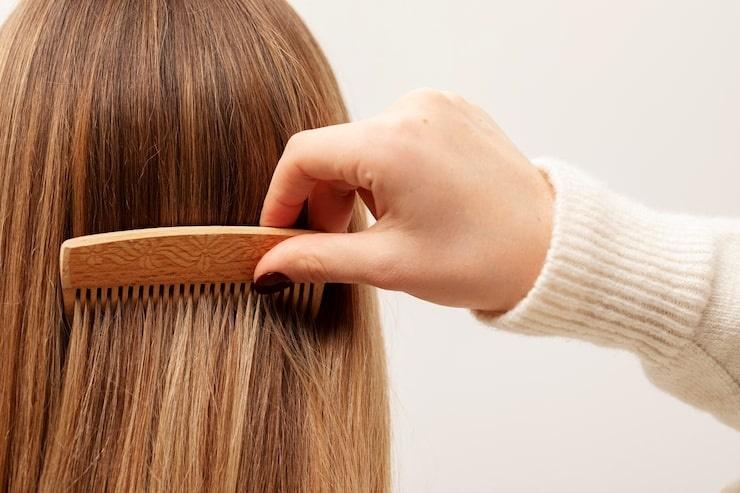
How you store a wig between uses is an easy win for longevity. Keep these best practices in mind:
- Store on a breathable stand or mannequin head to preserve shape and airflow.
- For infrequent use, keep in a silk or satin bag in a cool, dry place.
- Avoid tight hair clips that stress the cap and base; use wide clips or soft pins.
- When traveling, use a protective wig box or a padded case and secure the wig with tissue to avoid crushing.
Professional Maintenance and Repairs
Periodic professional servicing—such as reconditioning, restyling, or cap repairs—can add months or years. Professionals can:
- Perform gentle deep treatments that rejuvenate hair fibers.
- Repair or replace lace fronts, sew-ins, or elastic bands.
- Restyle in ways that preserve the density and avoid over-thinning.
Investing in a yearly professional check-up is often cost-effective compared with replacing a wig mid-season.
Signs It’s Time to Replace a Human Hair Wig
No matter how diligent you are, all wigs eventually show wear. Watch for these indicators:
- Persistent tangling and matting at the nape and cap line despite regular care.
- Thin, brittle ends that split and don’t respond to deep conditioning.
- Cap deterioration—stretched elastic, loose stitching, or lace that tears.
- Consistent discoloration, fading or permanent sun damage.
When multiple signs appear, replacement is more economical than repeatedly applying band-aid repairs.
Comparison: Quality vs. Price vs. Longevity
Price often correlates with longevity because higher-end units use better sourcing and construction. Consider these pragmatic tiers:
- Budget human hair wigs: Lower-grade hair, limited lifespan (6–12 months if worn frequently).
- Mid-range: Better Remy hair, reasonable construction; lifespan 1–2 years with care.
- Premium: Hand-tied, top-grade Remy; 2–4 years or longer with rotation and professional maintenance.
Buying the best you can reasonably afford and treating it like a durable accessory will pay dividends.
Special Considerations: Medical Use and Sanitation
For those using wigs due to medical needs, sanitation is paramount. Regular cleaning with gentle disinfectants approved for wigs and proper cap rotation minimizes irritation and fungal risks. Consult a wig specialist who understands medical-grade sanitization protocols to ensure safety without sacrificing hair integrity.
Practical Hacks to Increase Wearable Years
Simple lifestyle adjustments deliver outsized gains in lifespan:
- Rotate between two or more wigs to reduce constant wear on a single unit.
- Use silk or satin liners to reduce friction at the scalp.
- Minimize swimming in chlorinated pools and apply barrier products if exposure is unavoidable.
- Keep the wig out of direct UV for long periods; use UV-protection sprays.
Myths and Misconceptions
There are persistent myths that can mislead buyers about how long do human hair wigs last. For example, many think daily washing preserves life; in fact, over-washing removes oils and dries fibers faster. Conversely, never washing at all allows dirt build-up, which causes tangling. Balance is key.
How to Assess a Wig Before Purchase to Maximize Longevity
Smart buying sets you up for success. Look for:
- Remy labeling and information about cuticle alignment.
- Cap construction details—monofilament and lace fronts are worth considering for realism.
- Return policies and warranties that indicate manufacturer confidence.
- Reviews that mention durability over months or years rather than only initial appearance.
Final Notes and a Practical Checklist
To summarize: understanding the variables and applying smart care will determine whether your human hair wig lasts on the lower or upper end of the spectrum. Use this quick checklist to maintain peak condition:
- Detangle daily with the correct tool.
- Wash with sulfate-free products; deep-condition monthly.
- Limit heat and chemical processing; ask a pro for color work.
- Rotate wigs and store properly.
- Schedule professional servicing when needed.
FAQ
How often should I wash a daily-wear human hair wig?
For daily wear, aim for washing every 1–2 weeks depending on product buildup and activity levels; always use gentle, wig-appropriate shampoos and conditioners.
Can I sleep in my human hair wig and will that shorten its life?
Sleeping in a wig increases friction and tangling; use a silk pillowcase or remove and store the wig on a stand to minimize wear—this habit noticeably extends lifespan.
Is it worth repairing a damaged wig or better to replace it?
Minor cap repairs, re-sewing or deep conditioning can extend life; however, if the fiber quality is degraded (brittle, split ends, severe matting), replacement is usually more economical.
Answering the question of how long do human hair wigs last requires personalized judgment: by choosing high-quality materials, following a consistent care routine, limiting chemical and heat stress, and using professional maintenance, you can often shift a wig's useful life to the longer end of the expected range. Treat your wig as an investment—rotate, protect, and service it—and you'll enjoy realistic, comfortable wear for years.
