If you're searching for actionable, step-by-step instructions on how to pluck lace front wig hairlines or want to refine a wig to look undetectable, this detailed resource covers tools, techniques, timing, and common pitfalls. The aim is to help stylists, wig wearers, and beginners achieve a realistic hairline without damaging the lace or altering the intended style. Read on for a comprehensive breakdown of best practices, pro tips, and maintenance advice designed to boost your confidence and deliver a natural finish.
Plucking is not merely a cosmetic tweak; it's a technique that changes the entire appearance of a wig's hairline and front density. Overly dense or perfectly uniform hairlines are a telltale sign of manufactured units. Learning how to pluck lace front wig areas thoughtfully will add baby hairs, varied spacing, and a gradual density transition—three key elements that simulate natural growth and make your wig virtually undetectable.
Pluck before customizing colors or thermal styling when possible, because it's easier to remove hairs than to replace them. However, many stylists finish cutting and styling first then refine the hairline at the end. If your lace-front wig already has chemical processing or hair color, proceed with increased care to prevent visible holes or thinning where the lace is delicate.
Gathering the right tools makes the plucking process safer, cleaner, and more precise. Below is a checklist of recommended items:
Below is a structured workflow to help you pluck with intention and avoid mistakes. Follow each stage slowly, check progress frequently, and step back to evaluate the hairline from different angles.
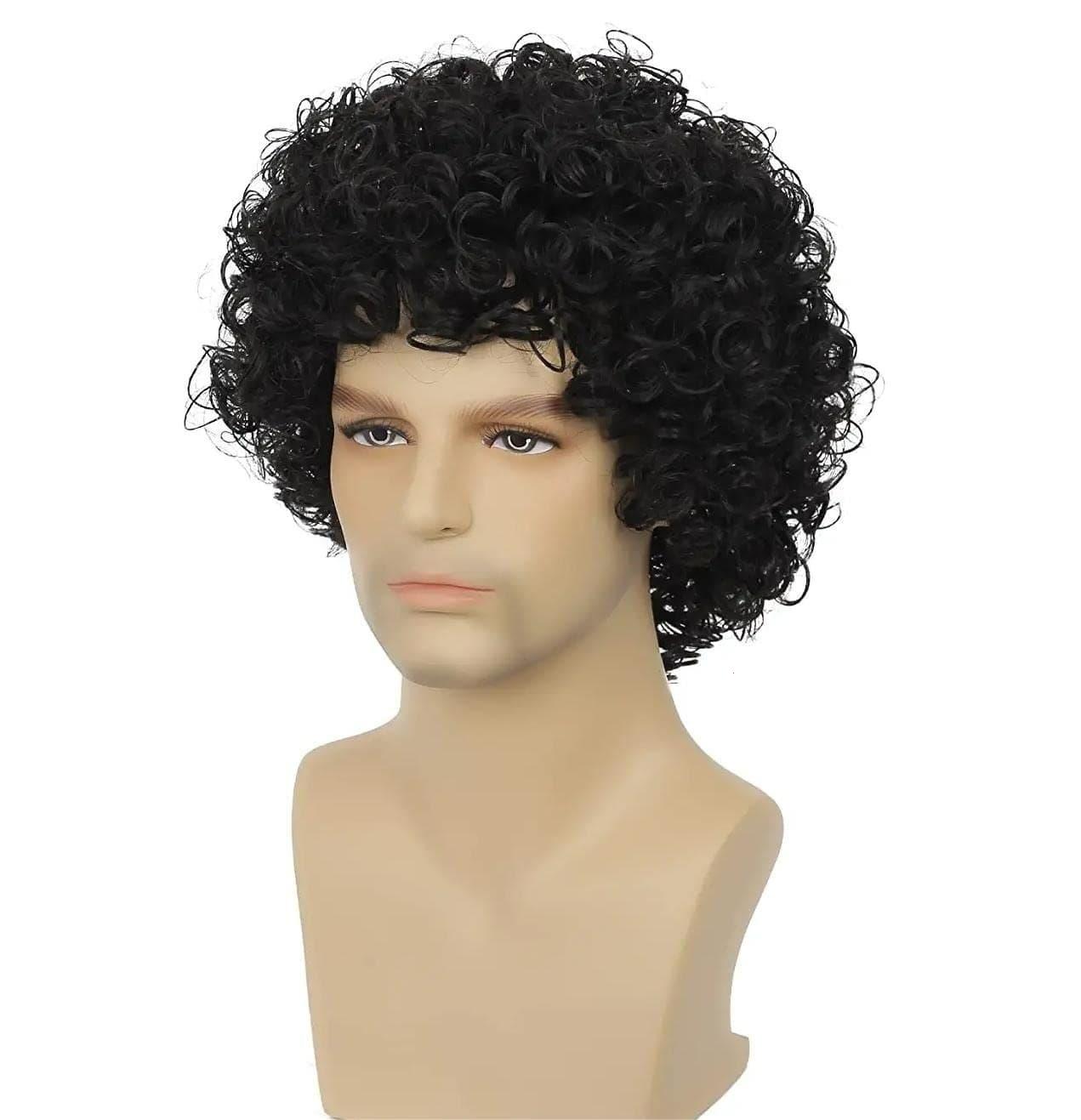
Secure the lace-front wig on a mannequin head. Smooth the lace and clip any loose hair away from the frontline. Make sure the hair density at the front has not been heavily heat-styled to cause breakage—lightly detangle with a wide-tooth comb.
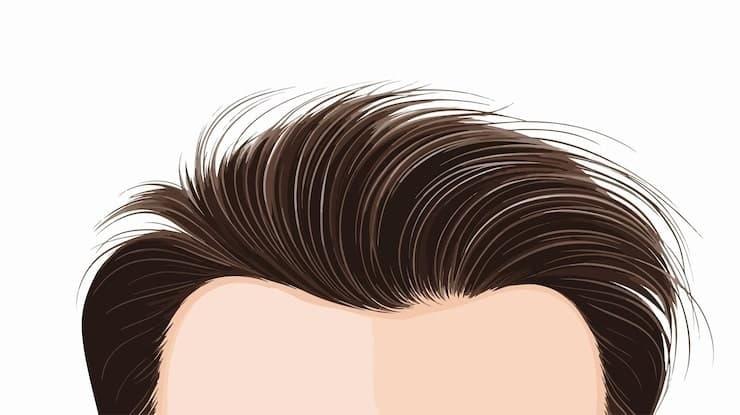
Use a mirror and sketch mentally or lightly mark where you want the hairline to sit—lower, higher, curved temple points, or widow's peak variations. Consider face shape and natural hairline reference points. Create a gentle irregular shape rather than a straight line to mimic nature.
Begin plucking at the temples and move toward the center in small increments. Gently pinch a few strands from the root with your tweezers and pull in the direction of hair growth. Do not yank; slow and steady ensures hair comes from the root rather than snapping, which leaves stubble that looks unnatural.
Divide the hairline into manageable zones—temple, mid-front, center-part. Remove more hairs from transitional areas (temple and parting) and fewer from the middle to preserve density. This creates the natural light-to-dense gradient that looks authentic.
After each small pluck session, step back and view the wig from different distances. Mirror-checking helps you avoid over-plucking and keeps both sides balanced. If a side looks too sparse, stop and reassess before removing more strands.
Delicately pull out a few shorter hairs along the hairline to create baby hair. Trim to varying lengths (1⁄2" to 1 1⁄2") with sharp small scissors, and use a tiny amount of styling gel to lay them flat. Baby hairs add an illusion of regrowth and integrate the lace with your forehead skin tones.
Once the look is established, gently clean the lace surface using isopropyl alcohol on a cotton swab to remove hairs and oils. This also helps the lace lay flatter when you press it down with adhesive or slay with styling products.
For stylists or experienced wig wearers looking for an elevated finish, the following methods improve realism and longevity.
Feathering is achieved by selectively removing single strands at varying intervals instead of clusters. Hold the hair at a slight upward angle and extract isolated hairs to create transitional density. This technique is ideal for creating soft temple fades and natural-looking partings.
Before plucking, mentally map out how dense each section should be: very sparse at the edge, medium near the temple, and fuller at the mid-scalp. Adjust your plucking pace to follow this map and refer to natural hairline photos for reference.
After plucking, tinting the lace or using a skin-colored concealer along the part improves the illusion of scalp. Be subtle—over-darkening creates contrast and defeats the purpose. Test on a small area first.
When applying heat tools or curling irons after plucking, keep heat lower near the lace to prevent melting or deforming. Use heat protectant and ensure that baby hairs are secured during thermal styling to prevent breakage.
Even experienced users can make errors that damage the lace or produce unnatural results. Here are the most common mistakes and corrective strategies.
Pulling too many hairs too quickly is the most frequent misstep. Solution: stop frequently, review progress, and use a conservative approach—less is more. If you over-pluck, you can camouflage using tiny bundles of hand-tied hair or micro-loop additions, but prevention is preferred.
Always pull in the direction of hair growth. Pulling against growth increases breakage and leaves short stubble that looks unnatural. If you are unsure of the growth direction, observe several hairs at the base before plucking.
Dull tweezers cause slipping, and wide tips remove too much at once. Invest in high-quality slanted tweezers. Steer clear of heavy-handed hair-grabbing tools designed for full wigs—precision is key when refining hairlines.
Plucking on an unsecured wig moves the lace and leads to uneven results. Always secure the wig to a mannequin head or use removable pins to hold the lace taut during plucking.
Proper upkeep helps sustain your newly plucked hairline over the life of the wig.
If DIY plucking seems daunting, alternatives exist. Many professionals offer hairline customization, including grafting additional hairs, professionally feathering lace, or creating bespoke baby hair. Seek a pro if the wig is high-value or if you've already attempted plucking and are unhappy with the result.
Problem: Hairline looks patchy. Fix: Add a few hairs using micro-loop or replace sections rather than adding density across the entire front.
Problem: Lace is lifting post-pluck. Fix: Clean lace thoroughly, remove adhesive residue, and reapply using correct products and pressure.
Problem: Baby hairs stubbornly stand up. Fix: Trim to more natural lengths and use a light gel or mousse to lay them flat; avoid heavy products that attract dirt.
Be mindful of the lace's age and material—Swiss lace, for example, is finer and requires gentler handling. Store wigs on a stand, away from direct sunlight, and cover with a satin cap to preserve hair texture and prevent tangles. Avoid sleeping in glued lace-front wigs often; repeated tension and friction will weaken the knots and the lace substrate over time.
Combine plucked hairlines with correct foundation, such as matching lace tint, and a subtle contour along the forehead to blend the line. When executed together, these elements make the lace nearly invisible.
To refine your technique, study natural hairlines, take courses from experienced wigmakers, and practice on mannequin heads before working on prized units. True mastery of how to pluck lace front wig units comes with patience and repeated, mindful practice.
Plucking is an art that bridges craftsmanship and aesthetic judgment. With proper tools, a step-by-step approach, and an emphasis on subtlety, anyone can achieve a believable hairline. Remember: the goal is to mimic nature with irregularity, variation, and light layering, not to remove hair until the cast is hollow. Take your time, keep reference images handy, and always pluck conservatively.
Patience, precision, and respect for the delicate lace material are the three pillars of a successful pluck. Armed with these methods and an understanding of how to pluck lace front wig units correctly, you'll be well on your way to achieving a natural, undetectable finish that enhances any style.
