Wearing a wig can transform your look instantly, but one common frustration is managing tangles during daily use. This guide focuses on real-world, professional tips to help you avoid knots and friction while wearing a wig, emphasizing simple habits, the right tools, and preventative care. Throughout this article you'll find step-by-step advice, product suggestions, and styling ideas tailored to extend the comfort and smooth appearance of synthetic and human-hair wigs alike. The phrase how to keep a wig from tangling while wearing appears in context-specific sections to reinforce practical SEO relevance and to make these instructions easy to locate.
Before diving into the solutions, it's useful to know common causes: friction from collars and scarves, wind and environmental exposure, improper brushing techniques, lack of moisturizing for human hair wigs, static in synthetics, and improper fit that allows the wig to shift. Recognizing these triggers helps you apply the correct prevention tactic. For example, a loose cap may allow constant micro-movement, causing strands to rub and tangle; thermal styling without protection can roughen cuticles and increase snagging; and high-humidity conditions can cause synthetic fibers to clump together.

A properly fitting wig cap is your first line of defense. A secure, snug fit reduces friction and movement. Use adjustable straps and wig grips, and if necessary, have the wig professionally sized. A wig that sits correctly will not rub repeatedly against the nape or temples, which is a frequent starting point for tangles. When you put on a wig, align the hairline and press the ear tabs down gently; ensure the back of the cap does not ride up during natural head movements. If you experience regular sliding, consider a silicone wig grip or adhesive tabs designed for lace fronts to stabilize your piece.
Adopt a calm, deliberate routine for putting on and taking off your wig. Always detangle before removing: start with fingers to find large knots, then use a wide-tooth comb or paddle brush designed for wigs. For long styles, work from ends upward in small sections to avoid creating a tightening loop that worsens the knot. When storing after wear, place the wig on a stand or in a breathable bag; never ball it up or leave it face-down on a pillow. These small steps reduce cumulative stress to fibers.
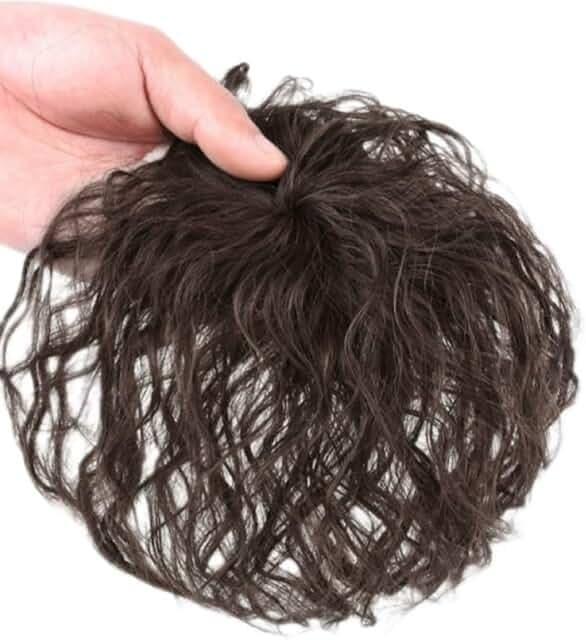 Blot water gently after washing to prevent friction-formed tangles.
Before stepping out, lightly mist the wig with an appropriate detangler or conditioning spray and comb through from ends to roots. If it's a human-hair wig, apply a small amount of leave-in conditioner to mid-lengths and ends only—too much product at the roots can weigh the cap down and create oil buildup which attracts dirt and tangles. For synthetics, focus on anti-static sprays and specially formulated conditioners. Avoid heavy oils and thick creams that can gunk up synthetic strands.
The small ritual of a five-minute comb-through before putting a wig on reduces the chance of dealing with painful knots later in the day.
Certain hairstyles are naturally less prone to friction. Consider these options when you need long-lasting smoothness: low ponytails, loose braids, half-up styles, and tucked-in ends beneath a scarf or collar. These styles reduce free hair movement that causes ironing-like rubbing. When securing styles, avoid elastic bands that can cause denting or breakage; instead, use covered elastics or fabric scrunchies.
Collars, backpacks, and coarse fabrics increase tangling by rubbing against the wig. Opt for smoother fabrics near the neck like silk, satin, or fine-knit cotton, especially when wearing longer wigs. When planning your outfit, think about how a scarf or high-collar jacket may interact with the wig—consider pinning the wig cap into place if you will be wearing structured outerwear.
Wind and humidity are natural enemies of tangle-free wear. In windy conditions, use lightweight hairspray formulated for wigs or an anti-frizz spray to hold down flyaways and separate strands. Carry a small detangling spray and a travel-size wide-tooth comb to address knots proactively. In rainy weather, cover the wig with a hood or umbrella; water-saturated strands can swell and tangle when they dry unevenly.
Even if you only wear a wig during the day, nighttime care matters. For nightly storage, a mannequin head keeps the shape and prevents tangles. If space is limited, a breathable satin-lined bag is the second-best option. For prolonged storage, gently brush the wig and secure it in a loose braid before placing it in a box or on a stand. Avoid plastic bags which trap moisture and can promote mildew or flattening.
Regular cleaning prevents product build-up that can make fibers sticky and prone to matting. For synthetics, follow manufacturer guidance—most synthetic wigs require gentle washes every 6-8 wears depending on exposure to sweat and styling products. Human-hair wigs can be washed more like natural hair but less frequently; use sulfate-free shampoos and a deep conditioner to keep cuticles smooth. After washing, detangle while damp, never when saturated and heavy—gently comb with a wide-tooth comb starting at the ends.
Many tangles are made worse by aggressive brushing or pulling. Avoid yanking knots out. Instead, hold the hair above the knot to prevent tension at the roots and gently tease the knot apart. Using heat on a tangled synthetic wig can melt fibers and set knots; only use heat tools on heat-friendly synthetics and always apply a heat protectant. For human-hair wigs, use a low-to-medium heat setting and consider a heat protectant product formulated for wigs.
If tangles are persistent despite your best efforts, consult a wig stylist. They can recondition, re-weft, or trim problem zones and advise about cap repairs or adjustments for better fit. Professionals can also recommend salon-grade products compatible with your specific wig type.
If you discover a knot during the day and don't have your full toolkit, try a few emergency steps: mist with detangling spray if available, use your fingertips to gently loosen large tangles, or use a clean credit card edge or flat tool to separate small snags without pulling. Be cautious: quick fixes should be gentle to avoid long-term damage.
These delicate constructions provide natural looks but require extra care. Avoid adhesive removal that pulls at the hairline. When brushing near the lace, use light strokes and support the base with your free hand. If the front starts to shed or tangle, stop, and seek professional reapplication and repair to prevent further damage.
For tiny knots, soak the area in a bit of conditioner, then slowly tease apart with a pin or needle followed by a wide-tooth comb. If resistance is strong, stop and consult a professional—force can cause fiber loss or tear lace fronts.
To summarize, consistent habits and the right products go a long way toward answering how to keep a wig from tangling while wearing. Focus on fit, gentle handling, appropriate styling choices, and protective storage. Regular maintenance and knowing when to involve a pro will extend the life and appearance of your wig.
A: Yes. Use anti-static sprays specifically formulated for synthetic fibers, avoid plastic combs, and choose wooden or ionic bristle brushes. Lightly misting with a detangler also reduces static and makes combing simpler.
A: It's best not to sleep in a wig regularly. If you must, wrap the wig in a satin or silk scarf and braid or tuck the hair to minimize movement; however, overnight wear will generally lead to more maintenance and faster wear.
A: Quick checks every 3-4 hours in windy or active conditions help. Use a small detangling spray and a travel comb for gentle touch-ups; avoid heavy brushing which can stress the cap.
By integrating these recommendations into your routine and remembering the core answer to how to keep a wig from tangling while wearing—secure fit, gentle care, proper products, and preventive styling—you can enjoy comfortable, smooth, all-day wear with fewer surprises.
