Expert Guide: Safely Lightening a Synthetic Wig at Home
If you've been searching for how to bleach a synthetic wig and want clear, practical, and safety-first instructions, this comprehensive resource will walk you through options, realistic expectations, step-by-step procedures, and pro tips to get vibrant-looking results while minimizing damage. Before we begin, understand that synthetic fibers behave very differently from natural hair. Many popular techniques for human hair will not work on most synthetics, so read the sections below carefully to choose the right method for your particular fiber type.
Quick overview: Is bleaching a synthetic wig even possible?
Short answer: sometimes, but often not in the way you expect. Traditional bleaching (oxidative lightening using peroxide and powder bleach) targets melanin in human hair and weakens protein bonds. Most synthetic wigs are made from fibers like Kanekalon, Toyokalon, modacrylic, polyester, nylon, or heat-resistant blends. Those fibers either don't contain melanin or will melt/warp under the chemicals and heat used in conventional bleaching. That means:
- Many synthetics cannot be safely lightened by standard bleach.
- Some heat-friendly or specialty fibers can tolerate controlled lightening, but risk remains.
- Alternatives such as color stripping, dyeing darker, fabric dye methods, or replacing the wig are often safer and more predictable.
Key decisions before you start
- Identify the fiber: Check the wig label or contact the seller. If it's labeled “heat resistant,” you have more options. If it's “100% Kanekalon” or “modacrylic” without heat instructions, proceed with caution.
- Test a hidden strand: Any method you choose must be tested on an inner weft or a hidden area first.
- Decide the goal: Do you want a subtle lighten, a drastic platinum look, or just a paler canvas for depositing vibrant colors? Goals will determine the method.
- Consider replacement: For dramatic lightening, buying a pre-bleached synthetic or a human-hair wig may be more cost-effective and safer.
Materials you might need
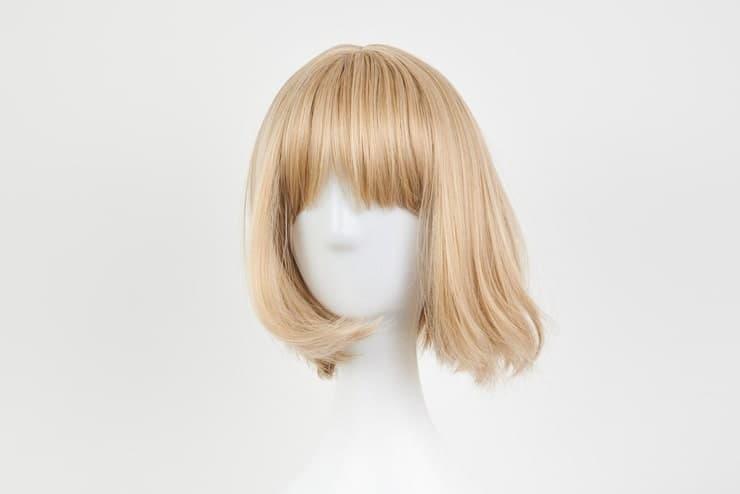
Below is a consolidated checklist. Not all items are used for every method; choose according to the path you take.
Safety and prep: nitrile gloves, eye protection, apron, mask, well-ventilated space, trash bag.
Tools: wig stand, wide-tooth comb, clips, old towels, plastic bowls, tint brushes, timer.
Chemicals & dyes (choose carefully): low-volume developer (10 or 20 vol) and gentle powder bleach only if fiber-safe and after testing; synthetic-friendly color remover or mild solvent alternatives (rare, and often risky); high-temperature fabric dyes (e.g., Rit DyeMore) for polyester/nylon if dyeing darker; semi-permanent direct dyes formulated for synthetics or acrylic paints mixed with fabric medium for extreme customization.
Aftercare: clarifying shampoo (if fiber-safe), fabric softener or synthetic wig conditioner, leave-in spray for synthetics, wig cap.
Method A — The cautious low-risk approach (recommended for most users)
The aim here is to create a paler base without aggressive chemical lifting. This path accepts limited lightening and focuses on color correction and achieving vibrant tones via depositing color instead of strong bleach.
Step-by-step (low-risk)
- Prepare and protect: Place the wig on a stand. Work in a ventilated area and wear gloves. Comb the wig gently to remove tangles.
- Perform a strand test: Select a hidden weft and follow the exact procedure you plan to use for 10–15 minutes. Evaluate color change, texture, and fiber integrity.
- Use color remover only if fiber-safe: Some synthetic wigs tolerate gentle commercial color removers designed for synthetic fibers. Follow manufacturer instructions precisely and rinse immediately after the specified time.
- Rinse and assess: Rinse with cool water and neutralizing shampoo if instructed by the remover. If fibers remain soft and intact but lighter, proceed. If you notice stiffness, melting, or fiber disintegration, stop immediately and neutralize.
- Deposit vibrant colors: On a paler base, use direct dyes or hot-water fabric dye (if the fiber allows). For many synthetics, direct acid-free dyes or specialized synthetic wig dyes give the best vibrancy without harsh processing.
- Condition and style: After any dyeing or removal process, use synthetic conditioner and air-dry on a wig stand. Avoid heat styling unless the wig is listed as heat-resistant.
Method B — Controlled lightening for heat-resistant synthetics
If the wig is explicitly labeled heat-resistant and you are comfortable with some risk, controlled lightening similar to human-hair techniques can be attempted, but with far lower concentrations and drastically reduced processing times.
Step-by-step (controlled lightening)
- Confirm fiber tolerance: Check manufacturer specs. If they confirm tolerance to mild peroxide and minimal heat, you may proceed.
- Strand test (again mandatory): Use the developer and a small portion of powder bleach on a hidden tuft. Start with 10-volume developer or a very diluted mixture. Monitor every 2–3 minutes. Record the maximum safe time.
- Mix conservatively: Prepare a low-strength mixture—prefer 10 vol developer or less. Use minimal powder bleach. The goal is to nudge color, not aggressively strip it.
- Apply evenly and watch closely: Only apply to small sections. Keep the rest of the wig protected. Continuously check texture and smell (chemical burning odor indicates fiber breakdown).
- Stop early and rinse: Once you reach a desirable tint on the tested strand, immediately rinse thoroughly with cool water and neutralizing shampoo. Neutralize residual bleach with a diluted acidic rinse (e.g., a mild vinegar or citric acid solution if safe for the fiber).
- Tone or deposit color: Synthetic fibers rarely take traditional toners. Use synthetic-safe direct dyes or color-depositing products designed for synthetics to achieve the final hue.
- Deep-conditioning: Apply a synthetic fiber conditioner or fabric softener to restore flexibility. Avoid high heat during drying.
Method C — The “rebuild” approach for dramatic changes
When lightening goals are dramatic (e.g., going platinum or creating unusual pastel shades), many pros recommend replacing the wig base or purchasing an already-lighter synthetic unit, then applying vivid direct dyes. This avoids irreversible damage and produces the most predictable vibrant results.
Common mistakes and how to avoid them
- Skipping the strand test: Never skip it. Tests reveal how fibers react and prevent full-wig disasters.
- Using high-volume developers: 30–40 vol developers are standard for human hair bleaching but are likely to melt synthetic fibers. Stick to the lowest effective strength and shortest time.
- Overexposure: Time is your enemy. Check frequently.
- Applying heat after aggressive chemicals: Heat amplifies damage. After any chemical process, avoid curling irons or blow dryers unless the wig is rated for heat.
- Expecting human-hair results: Synthetic wig chemistry is different; set realistic expectations.
Expert tips for achieving vibrant results
- Start with the lightest possible base: Lighter foundations yield more vibrant deposit colors. If you can’t safely bleach, consider buying a lighter wig base.
- Use synthetic-specific dyes: Products like direct dyes for synthetics or specialty pigments designed for acrylic fibers produce brighter, longer-lasting color than salon toners.
- Layer color: For multidimensional effects, apply base color in stages, allowing fibers to settle between sessions.
- Neutralize unwanted undertones: Use color-correcting shades (e.g., a violet-based toner equivalent for synthetics) to remove brassiness before applying your final pigment.
- Gentle aftercare: Wash with cool water, detangle with your fingers or a wide-tooth comb, and store on a stand to maintain shape.
Troubleshooting common problems
Stiff or brittle fibers: Overprocessing causes fibers to harden. Use conditioning treatments and a silicone-based wig detangler. If brittleness persists, consider replacing the wig.
Uneven lightening: Often due to inconsistent application or varying fiber types on the same wig. Reassess technique, and if necessary, work in smaller sections or accept a lived-in, ombré look.
Orange/brassy results: On many synthetic fibers, you'll see warm brassy tones first. Counteract with cool-toned synthetic dyes or overlays to neutralize unwanted hues.
Aftercare and maintenance to keep colors vibrant
- Wash infrequently with cool water and a mild synthetic-safe cleanser.
- Use color-depositing conditioners made for synthetics to refresh color gently between full treatments.
- Avoid sun and chlorine exposure; UV and chlorine cause fading and fiber damage.
- When not in use, store on a wig stand or inside a breathable bag to retain shape and protect color.
When to seek professional help
Consult professionals when attempting significant lightening, working with an expensive or beloved wig, or when the wig's material is unclear. Experienced wig technicians can often achieve safer lightening using industry-grade tools and can replace wefts, re-knot lace, or recommend the ideal dyeing method for your fiber.
Safety reminders and legal disclaimers
This guide explains methods commonly used by hobbyists and professionals, but it does not guarantee results for every wig type. Always perform tests and prioritize safety. Avoid mixing household bleach and ammonia or other chemicals. If you are unsure, hire a licensed stylist who specializes in wigs.
Alternative creative approaches that give “bleached” aesthetics
If chemical lightening is too risky, consider these creative alternatives to achieve a light or pastel appearance:
- Layer with light-colored hairpieces: Add lighter synthetic bangs or highlights as wefts.
- Use pastel spray-on colors: Temporary sprays and color chalks can create a faded look without processing.
- Topper or halo method: Combine a lighter topper with your darker wig to create contrast without altering the base unit.
SEO-focused summary for quick reference
For those specifically searching for how to bleach a synthetic wig, remember: identify fiber type, always test a hidden strand, prefer low-concentration methods if the fiber allows, use synthetic-safe dyes for vibrancy, and consider replacement or professional services for dramatic changes. Emphasize safety, condition after every chemical step, and apply vibrant hues via deposition on a safe base instead of aggressive bleaching when possible.
Checklist before you proceed
- Know the fiber type.
- Gather PPE and tools.
- Perform a strand test.
- Start with the gentlest method.
- Have a recovery plan if fibers are damaged (replacement or professional repair).
Final encouragement: with research, patience, and careful testing you can achieve lively, customized color without destroying your wig. When in doubt, less aggressive methods and professional help will preserve your investment and yield the most consistent, vibrant outcomes.
Note: Throughout the process, prioritize safety, avoid unrealistic expectations, and accept that many synthetics respond better to color deposition than to true oxidative bleaching.
FAQ
Q: Can I use household bleach or Clorox to lighten a synthetic wig?
A: No. Household bleach is formulated for fabrics and surfaces and will often damage or melt synthetic fibers. It is not a safe substitute for hair bleach intended for keratin hair, and even salon-grade bleach can ruin many synthetics.
Q: How long should I leave a lightening treatment on a synthetic strand?
A: Only as long as the strand test indicates. Check every 2–3 minutes during the initial test. If any texture change, melting, or unpleasant odor occurs, stop and rinse immediately.
Q: Will toners work on synthetic wigs after lightening?
A: Typical salon toners target protein-based hair and may not bond to synthetic fibers. Use synthetic-specific color-deposit products to correct undertones.
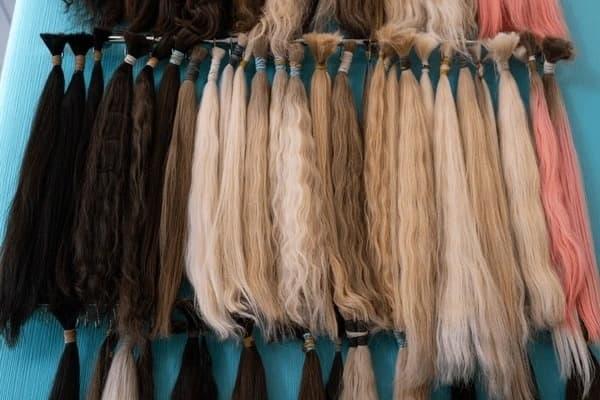
Q: What is the safest technique to achieve pastel or vibrant shades?
A: The safest route is to start with a light base (factory pre-lightened or lightly removed color) and apply synthetic-specific direct dyes, or use specialized high-temp fabric dyes on compatible fibers. For bold transformations, consider commissioning a professional wig colorist.
