Few fashion signatures are as instantly recognizable as the short, sleek bob often associated with a powerful editor-in-chief of a major fashion publication. That look has generated endless curiosity and repeated queries from the public and press: is anna wintour's hair a wig? This piece explores the question from multiple angles — historical context, stylistic analysis, photography forensics, expert commentary, and practical haircraft — to provide a thorough, measured evaluation rather than rumor-driven claim. Along the way, we'll examine what hairpieces mean in fashion culture, how camera angles and styling create illusions, and what credible indicators photo analysts and professional stylists look for when investigating iconic tresses.
The short bob associated with the editor in question has been part of her public identity for decades. In fashion, signature hairstyles serve as a brand asset as much as garments or logo. Designers and editors alike understand that an instantly identifiable look helps convey authority and continuity. Historically, many public figures have turned to hairpieces, extensions, or wigs to achieve a perfectly maintained aesthetic under the rigors of constant travel, stage lighting, and public appearances. It's important to consider the practicalities: frequent styling, heat, chemical processing, and the need for an identical look for photo ops make hair enhancements a sensible option.
Before concluding whether is anna wintour's hair a wig is a yes or no, we must clarify terminology. A wig is a full hair covering that replaces or conceals the entire scalp hair. A hairpiece or topper covers a portion and can be integrated with existing hair. Extensions add length or volume. A lace-front wig provides a realistic hairline. Many professional stylists use combinations: a base of natural hair enhanced with a small hairpiece to achieve volume and consistency. Technical distinctions matter to observers and analysts because the signs you look for differ depending on the solution in use.
Specialist photographers and image analysts apply a checklist when investigating a debated hairstyle. They examine hairline continuity, scalp reflections, parting depth, shadow behavior under light, and micro-texture patterns. When investigating whether is anna wintour's hair a wig, analysts compare multiple frames from different events, paying attention to:
Photographers also consider post-production: photos in major outlets and magazines often undergo retouching and color grading, which can mask or exaggerate detail. Thus, forensic conclusions rely on a corpus of images across time and formats, including raw frames from TV appearances where retouching is minimal.
Analysts gather side-by-side comparisons of appearances at award shows, runway events, interviews, and candid photographs. They track consistency in hairline shape, density, and parting angle. When the hairstyle remains precisely the same across widely separated shoots — identical volume, identical curvature at the ends, unchanged profile silhouette — it suggests an assisted styling system. However, immaculate consistency can also be achieved through exceptionally disciplined natural hair maintenance and frequent professional styling. For that reason, photo evidence alone is often inconclusive unless it displays clear indicators such as noticeably different scalp textures, visible attachment points, or sudden alterations in hair provenance between shots.
Veteran hairstylists emphasize that many high-profile figures use hair enhancements purely for convenience and reliability. A professional may confirm that preserving a precise style from morning fittings to red carpet events can require a wig or a well-integrated topper. In interviews or behind-the-scenes accounts, stylists sometimes explain how to blend a piece seamlessly: matching color roots, trimming the perimeter, using micro-tape or invisible clips, and strategically placing the hand-tied lace to emulate real scalp. Stylists also point out that many celebrity editors rotate multiple wigs to avoid heat damage and to ensure quick transitions between looks.
When asked hypothetically about is anna wintour's hair a wig, stylists highlight several plausible reasons for adopting hairpieces: repeated hot tools and coloring can weaken natural strands over time; a wig offers a consistent brand image; and certain haircuts — especially a gravity-defying, perfectly blunt bob — are easier to sustain with a pre-shaped piece. Nevertheless, stylists rarely make definitive public claims without direct confirmation from the client or their personal stylist.
Cosmetic scientists and trichologists (hair specialists) weigh in with detailed markers. Natural hair exhibits variation in follicle angle, density, and individual strand thickness. Under magnification, a natural scalp shows pores and irregular spacing of hairs. A wig, even high-quality human-hair versions, may show near-uniform regularity in density. Pay attention to the nape: many fashions wigs end in a uniform line at the neckline, whereas natural hair often tapers. Part depth and scalp reflectivity under direct light help experts differentiate, but accurate assessment depends on image quality. For the question is anna wintour's hair a wig, published evidence has been ambivalent: some photos show features consistent with natural hair, others suggest the precise regularity often associated with specialized hairpieces.
Direct confirmation is the only absolute evidence. In many similar affairs, subjects or their representatives either decline comment or assert the use of personal styling choices without specifying technical details. Respecting privacy and avoiding unfounded assertions is essential; therefore, reliable reporting often uses language like “unconfirmed” or “widely speculated” unless a stylist or the person confirms. The fashion world is known for secrecy about certain maintenance tactics — wigs for continuity across shoots, for instance — so an absence of admission does not prove the negative.
Speculation about is anna wintour's hair a wig reflects broader public fascination with the mechanics behind celebrity presentation. People want to demystify how figures maintain flawless images despite intense schedules. The question also touches on authenticity in public personas: whether a consistent, stylized appearance is an expression of personal taste, a branding decision, or aided by cosmetic technology. Popular conversations about wigs and hairpieces often carry undertones about aging, vanity, and craft. A constructive viewpoint recognizes that hair enhancements are tools professionals use across entertainment, fashion, and media, and their use does not diminish artistry or skill.
Even if a full wig is not used, stylists employ methods to recreate the same iconic silhouette. Strategies include: precision cutting and layering to maintain a blunt line; invisible micro-extensions for volume; a stitched-in hairpiece that augments roots without replacing the entire scalp; and thermal shaping with controlled humidity to set the cut. This is relevant when analyzing claims like is anna wintour's hair a wig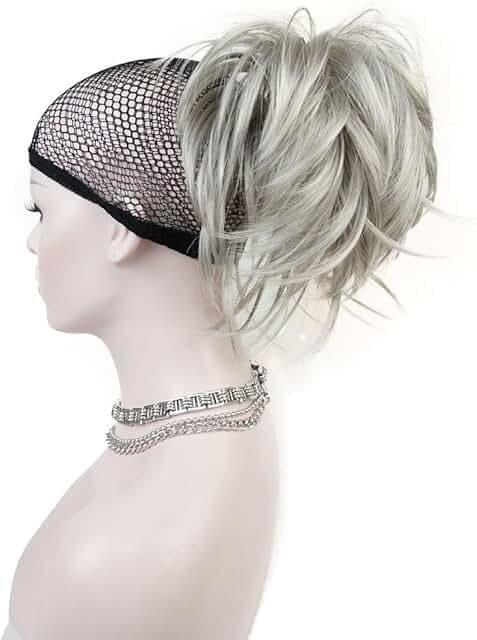 . A partial piece or shell can mimic the look of a full wig while allowing natural hair at the hairline and temples to remain visible on close inspection.
Modern wig technology has evolved so that the visual difference between a custom human-hair wig and natural hair is minimal to the untrained eye. Hand-tied units, monofilament tops, and lace-front constructions allow for a realistic part and movement. Even professionals using microscopes or macro lenses can be challenged without contextual evidence like attachment glue or a visible seam. Therefore, definitive determination often requires access to backstage photos, stylist testimony, or the subject's own confirmation.
After surveying stylist testimony, photographic analysis techniques, and cosmetic science markers, here's a careful assessment: while certain visual patterns in photos and the practical advantages of hairpieces support a plausible case for some form of enhancement, publicly available evidence is not unequivocal. Multiple consistent appearances, a highly controlled silhouette, and rare public admissions of natural wear tilt the probability, but they do not constitute a definitive on-camera confession. The more responsible framing for public discussion remains investigative and probabilistic rather than accusatory. In SEO terms, repeated queries such as is anna wintour's hair a wig reflect legitimate interest, and quality answers should prioritize methodical analysis over sensational claim.
For readers intrigued by the craft, here are practical takeaways if you want to know whether a hairstyle is natural or enhanced: compare high-resolution images over time; observe hairline consistency at temples and nape; look for uniform density in bulk areas; watch unretouched video for root motion; and consider context — backstage reveals or hairdresser interviews are the most reliable sources. Also, appreciate that top-tier performers may use pieces for conservation and stability rather than vanity, which contextualizes practices within professional demands.
Journalists and bloggers addressing sensitive topics like is anna wintour's hair a wig should adhere to ethical reporting: avoid defamation, seek confirmation when possible, label speculation clearly, and value the subject's privacy. The goal of reputable coverage is to illuminate technical reality and cultural significance while avoiding intrusive or judgmental tone.
For readers who want to delve deeper into hair science and cosmetic technology, search terms and resources that expand the conversation include lace-front wig construction, monofilament tops, human-hair versus synthetic comparisons, professional hairpiece maintenance, and photo forensic techniques for hair analysis. Academic dermatology articles on hair fiber microscopy and cosmetic industry guides on unit construction are especially useful for technical readers.
Summary: While many observers ask is anna wintour's hair a wig, the most accurate public answer is nuanced. Evidence suggests plausible enhancement methods are compatible with the observed look, but absolute proof requires confirmation from primary sources. The question ultimately points to broader themes about professional image-making, craftsmanship, and the technology that supports a polished public identity.
