
Behind the Scenes of a Constantly Evolving Look
Celebrity hair is a language of its own and whether you call it transformation, branding or pure fashion play, few performers have made as many headlines about their mane choices as this New York rapper turned global icon. Fans and style watchers frequently ask does cardi b wear wigs? That simple phrase leads into complex conversations about hairstyling techniques, identity, the costume of stardom and the practical realities of touring, filming and public life.
Quick answer framed for search visibility
To be concise and clear for readers scanning the web: yes, a variety of public appearances and music video looks strongly indicate the use of wigs, hairpieces and extensions as part of an intentional beauty toolkit. But the story is more nuanced than a single yes or no. Below we unpack context, technical details, industry practices and how to tell when a look is an installed unit versus natural hair.
Why artists choose wigs and hairpieces
Professionals in music, film and fashion frequently opt for wigs for reasons that go beyond convenience. Wigs provide:
- Versatility — swap color, length and texture in minutes without damaging natural strands.
- Durability — maintain a consistent on-camera silhouette through long shoots and repeated performances.
- Protection — give the scalp and roots a break from coloring, heat and frequent chemical processes.
- Branding — a signature silhouette or bold color can be a marketing device; rapid image shifts keep audiences engaged.
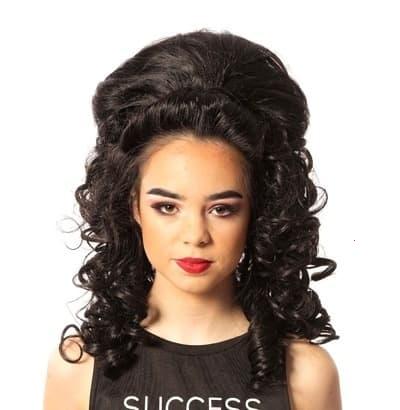
Types of units commonly used by celebrities
Not every wig is created equal. Industry pros rely on several formats, each with pros and cons:
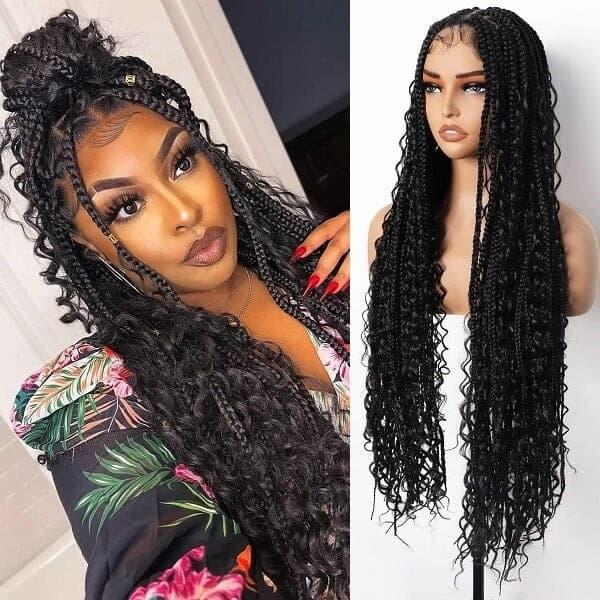
- Lace front wigs — create a natural hairline and allow for styling away from the face; popular in video-heavy days.
- Full lace wigs — offer all-over natural movement and versatility for up-styling and part changes.
- 3/4 and U-part wigs — blend with existing hair for hybrid looks that combine protection with realism.
- Machine-made bundles and weaves
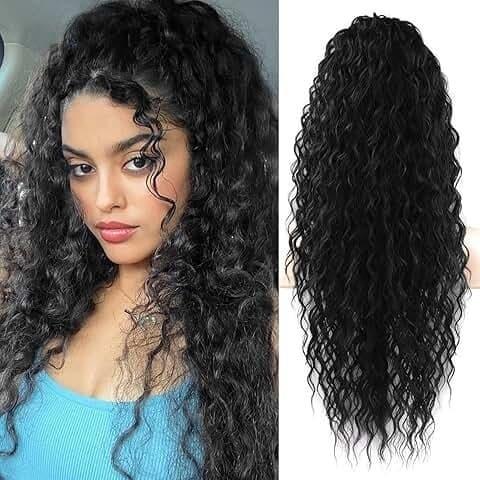 — used for fullness and long-term installs during tours.
How professionals install and maintain celebrity units
When evaluating a public look, consider the craft behind it. Stylists use adhesives, silk-lined caps, strategic sewing and custom cutting. Regular maintenance includes deep conditioning (on the natural hair), steam treatments for processed fiber wigs, and careful storage to preserve lace and elasticity. Tour-ready teams travel with multiples: spare lace fronts, alternative parting options and quick-repair kits to handle snags or sweat-heavy performances.
Spotting a wig or hairpiece: subtle clues
For fans trying to decode whether a hairstyle is temporary, look for:
- Inconsistent hairlines — an immaculately even, dense hairline across varying styles can indicate a unit.
- Instant color transitions — jaw-dropping color swaps between events with no signs of processing suggest wigs.
- Uniform density — hair that appears equally thick from crown to ends is often enhanced by hairpieces.
- Texture changes — a sudden move from tightly coiled to bone-straight without evidence of heat styling often signals a change of unit rather than a single tool.
Examining the public record: performances, videos and red carpets
Visual analysis across music videos, red-carpet photos and live performances makes a clear pattern visible: stylistic agility consistent with professional wig usage. Designers and stylists on credit lists often reveal the presence of custom units or extensions, and behind-the-scenes footage showcases quick swaps between scenes. The presence of multiple, dramatically different silhouettes across short timeframes is consistent with planned wig rotation.
Creative expression vs. hair authenticity
It helps to frame this as artistic expression. In the world of entertainment, hair acts as a costume. Rather than seeing wig usage as deception, many stylists and cultural commentators consider it an enhancement of persona — a tool to tell a story through silhouette, texture and color. Accepting wig use as part of a creative toolbox reframes the question from "real or fake" to "how does this choice serve the performance?"
Common myths and clarifications
Several misconceptions circulate online; here are fair clarifications:
- Myth: Wearing wigs means neglecting natural hair. Fact: Many performers rotate protective styles to support long-term hair health.
- Myth: Wigs are always cheap or obvious. Fact: Quality human-hair units and couture creations are expensive and crafted for realism.
- Myth: Wigs remove authenticity. Fact: They extend creative limits and protect hair from damage tied to constant color and heat.
How hair teams collaborate with artists
Top-tier stylists and wigmakers are collaborators who translate a creative brief into a living look. Briefs often specify texture, part placement, hairline shape and longevity needs. Multiple units may be produced in a single session: a performance unit, a photo-ready piece, and a backup. Colorists may deliver pre-toned base units to match stage lighting and camera filtration.
Practical insight for fans: what to expect at events
If you're attending shows or closely following appearances, expect quick changes backstage and polished continuity onstage. Wigs make it possible to sustain a consistent on-camera look while giving natural hair rest between high-intensity styling periods. If you admire a look, it's perfectly fine to ask about the team behind it — many stylists now share behind-the-scenes workflows on social platforms.
Styling tips inspired by celebrity techniques
Whether you're a wig-wearer or natural hair enthusiast, professional methods can be adapted:
- Pre-stretch and steam — use low-heat steam to relax curled units and remove shipping creases without damaging fibers.
- Custom hairlines — plucking and delicate trimming create realistic edges; a silk or HD lace front enhances illusion.
- Secure installations — velvet grips, wig tape and strategic sewing keep units safe during movement.
- Scalp care — keep the natural scalp moisturized and exfoliated to avoid irritation under prolonged wear.
How to choose a unit for long-term wear
Select a density that matches your own hairline and lifestyle. For durability, invest in human-hair units and rotate them to increase lifespan. For performance-heavy schedules, have a rotation of units so each can rest, be cleaned and be re-styled professionally.
Cost considerations and ethical sourcing
High-quality units are an investment. Price reflects base material, hand-tied techniques, bleaching of knots and custom color work. Today there is also greater attention to ethical sourcing of human hair; buyers can ask vendors about origin statements and transparency.
DIY vs. professional application
Some fans prefer DIY customization while others hire pros. Simple adjustments — trimming a bang, blending with heat tools, customizing partings — are accessible at home. But for lace work and long-term adhesion, professional application preserves the unit and prevents damage to natural hair during removal.
How public discussion shapes perception
Search behavior and social sharing amplify the question "does cardi b wear wigs" because curiosity about celebrity transformation taps into broader cultural themes around beauty standards, ownership of image, and the economics of fame. Conversations often shift from private grooming habits to public branding strategies, and hair choices become data points in narratives about empowerment and persona management.
FAQ — common queries answered
Q: Is it disrespectful to ask a celebrity if their hair is real?
A: Tone matters. Asking out of admiration and curiosity is fine, but remember that hair can be a sensitive and personal topic. Many artists openly share stylists and routines — consider following their official channels for authentic answers.
Q: Can wearing wigs damage your natural hair?
A: When installed and maintained correctly, wigs are protective. Risk arises with prolonged tension, poor cleaning routines, or improper adhesives. Rotate styles and seek professional removal when necessary.
Q: Where do celebrities buy custom units?
A: High-profile figures often work with bespoke wigmakers and luxury vendors. There are also reputable ready-to-wear brands that offer high-quality human-hair units suited to daily and performance use.
Final note: The phrase does cardi b wear wigs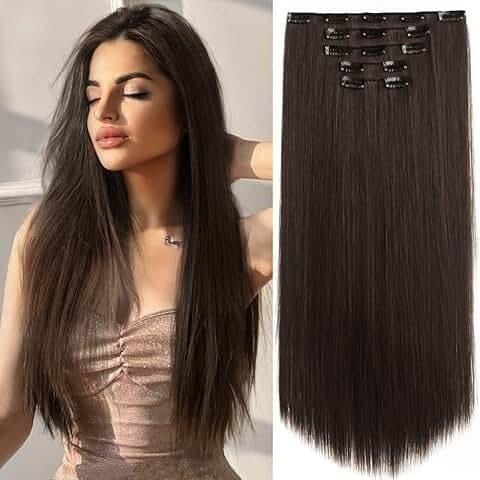 serves as a search gateway into a wider conversation about technique, style and intention. The visible result is a kaleidoscope of color and silhouette; the less visible reality is the teamwork, craft and technical proficiency that make those looks possible. Whether you admire the final effect or seek to replicate it, understanding the how and why helps you appreciate hair as both craft and expressive language.