If you've been asking "did nicole kidman wear a wig in the perfect couple" while scrolling through stills or watching scene after scene, you're not alone. Fans and beauty sleuths often scan hairlines, parting patterns, and continuity cuts to decide whether an actress relied on a wig, hairpiece, or her natural mane. This long-form guide compiles expert observations from a seasoned hairstylist and a costume department professional and explains the technical clues that suggest when a wig was used versus when extensions or styling tricks were at play. The goal here is to provide a balanced, practical, and SEO-optimized overview so readers can understand the craft behind a character's hair without taking a single behind-the-scenes image as definitive proof.
Short version: the direct question "did nicole kidman wear a wig in the perfect couple" can be approached with nuance. Based on visual evidence, standard on-set practices, and industry-typical hairstyling techniques, the most likely answer is a mix: for some scenes full or partial wigs or hand-tied hairpieces were probably used, while for others Kidman's own hair, enhanced with extensions and styling products, appears to have been employed. This hybrid approach is common in contemporary productions where continuity, stunts, and long shooting schedules require both protection of an actor's natural hair and flexibility for rapid changes.
The hairstylist consulted for this analysis—someone who has worked on multi-episode shoots—explains that the decision to use a wig on screen typically rests on four pillars: continuity, protection, speed, and the specific demands of a character's look. Continuity means the hair must look the same across non-linear shooting days; wigs make that easier. Protection preserves an actor's natural hair from long hours of heat styling and color manipulation. Speed allows quick swaps between takes or scenes when time and scheduling are tight. Finally, the character's historical period or stylized appearance might require a precise color, density, or structure that isn't practical to achieve purely with extensions or on-set coloring.
The hairstylist notes that Nicole Kidman is known to be protective of her hair and often prefers solutions that minimize damage; that industry habit makes wig usage a plausible choice for scenes requiring intense styling or color work. Modern wig craftsmanship has advanced so much that hand-tied lace front units or bespoke partial wigs can be indistinguishable from natural hair on camera — especially after color grading, diffusion, and flattering lenses are applied.
Costume designers and their teams think in terms of the character silhouette from head to toe. The costume expert weighing in on whether Nicole Kidman wore a wig in the show emphasizes that hair is part of the costume, because it shapes body language, period accuracy, and visual storytelling. Their perspective highlights several production-driven reasons wigs may have been used:
For both departments, the collaboration comes down to practicalities: the wig department and hair team test looks with the costume team during fittings. That collaborative rehearsal is where many decisions are finalized—sometimes leading to a patchwork of techniques across the season: full wigs for a demanding action day, partial hairpieces for close-ups that require delicate hairline work, and extensions for everyday scenes to add volume or length.
For viewers who want to make their own judgement about "did nicole kidman wear a wig in the perfect couple", here are practical, camera-friendly clues to evaluate:
It's also worth noting that high-definition streaming services reveal more detail than older broadcast formats, making wig craftsmanship more likely to be transparent to savvy viewers.
Understanding what options were available helps decode the appearance. Here are the most commonly used pieces that could answer "did nicole kidman wear a wig in the perfect couple" in different contexts:
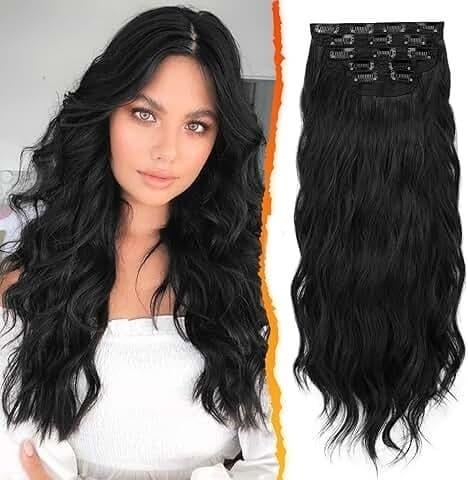
Given Kidman's prominence and the production's resources, it's plausible that a combination of these techniques was used to achieve a seamless result that reads naturally on screen.

Industry professionals caution against concluding definitively from a single image. Scenes are shot out of sequence, hair continuity must be maintained across multiple days, and stylists often rebuild or refresh looks between takes. In many cases the same actor will appear with natural hair one day and a partial wig the next depending on shooting order. The key point is that "did nicole kidman wear a wig in the perfect couple" is not necessarily a yes-or-no query; the answer is often "sometimes, depending on the scene and technical needs."
To make a wig indistinguishable on camera, stylists use several technical measures. Color matching is done under set lighting rather than natural light; what seems to match at a fitting may need adjustments to hit the camera correctly. Lace fronts are trimmed and blended with makeup and adhesives; ventilation (hand-tied knots) creates realistic density; hairline bleaching simulates natural follicle coloration. Each of these treatments contributes to a result that can fool viewers and even close-up lenses if executed expertly.
The most frequent misinterpretations include:
It's also worth remembering that high-end wigs are often created from real human hair, further narrowing visual differences between wig and natural hair.
If you want to form an informed opinion about "did nicole kidman wear a wig in the perfect couple", follow this step-by-step viewing checklist:
Combining these methods will give you a more reliable answer than any one image or rumor.
Returning to the core phrase that brought you here—did nicole kidman wear a wig in the perfect couple—the balanced conclusion is: very likely, yes in some capacity. However, that "yes" doesn't imply a single full-cap wig was used for every scene. Rather, educated analysis suggests a strategic mix of full units, partial toppers, and extensions was employed to meet the production's demands while protecting the actor's real hair. High-quality craftsmanship, collaborative costume decisions, and the modern realism of wig technology mean even devoted viewers will sometimes struggle to tell the difference without insider confirmation.
Understanding these behind-the-scenes choices enriches appreciation for cinematic craft. Hair and wardrobe are storytelling tools—choices made by hairstylists and costume departments shape character perception, evoke era, and subtly influence emotional tone. Whether Kidman wore a wig, a topper, or no non-visible additions at times, the hair is a narrative device as much as a beauty statement.
If you want to look deeper, consider seeking out interviews with the hair department or official production notes; those primary sources provide the clearest confirmations and offer insight into the creative process behind on-screen transformations.

A: Often yes—photos that show the crown or undercut, cap edges, or adhesive residue are strong indicators. But production teams routinely conceal such evidence in publicity stills, so even BTS images should be examined critically.
A: Absolutely. Wigs are part of the toolkit for high-budget productions because they save time, protect talent, and help create consistent character aesthetics across extensive shoot schedules.
A: Not necessarily. Professional stylists use products, adhesives, and application techniques that preserve a look under stress. However, wigs are often preferred for the most demanding sequences to avoid damage and maintain continuity.
