If you're wondering how to fix a frizzy synthetic wig without heat, this comprehensive, step-by-step resource walks you through safe, effective, and salon-grade methods you can use at home. Synthetic fibers are designed to look like hair but they react differently to moisture, friction, and incorrect products. Frizz, tangling, and stiffness happen because of surface abrasion, residue build-up, improper drying, or age. The methods below focus on restoring smoothness and shine using heatless techniques so you preserve the fiber structure and extend the lifespan of the piece.
Understanding the root cause helps you choose the right remedy. Common triggers include: 1) friction from hats, collars, or pillows; 2) harsh shampoos or high-alkaline water; 3) product buildup from heavy styling sprays or oils; 4) humidity combined with synthetic fibers that absorb moisture differently than natural hair; 5) tangling from long wear or static. Knowing why your piece is frizzy makes the corrective steps more precise and faster.

Gathering the right items increases your success rate. Typical supplies include: a wide-tooth comb, a paddle brush with soft pins (use gentle strokes), a wig stand or mannequin head to dry and reshape, a basin or sink for washing, a microfiber towel, silicone-based or water-based detangling spray made for synthetics, a very mild wig cleanser or baby shampoo, fabric softener (optional, diluted), a leave-in conditioner formulated for synthetic hair, and soft clips to section hair.
Once mostly dry (damp to the touch), start detangling from ends to roots in small sections. Use a wide-tooth comb or a brush designed for wigs. Keep strokes short and gentle. If you hit a stubborn knot, apply a light mist of a synthetic wig detangler or a water-diluted silicone slip agent and work the knot from the edges rather than pulling straight through.
These proven, no-heat options restore a sleeker surface without risking fiber damage.
After washing, spritz the wig lightly with cool water mixed with a teaspoon of fabric softener per liter of water, or use a commercial synthetic fiber conditioner. Use your fingers to smooth strands in the direction you want the fibers to fall. Place the wig on a mannequin head and let it air dry completely. The fabric softener temporarily relaxes the fibers and reduces friction, making the hair lay smoother.
For textured wigs or to reduce frizz while adding controlled movement, section hair and roll strands around large foam rollers or soft Velcro rollers while damp. Secure each roll with a soft clip or bobby pin that won't damage fibers. Allow to air dry fully. When you unroll, you’ll have smoother, more uniform waves with less fuzzy edges.
Lay the wig flat on a clean towel, layer a second clean towel over the wig, then press using your palms to flatten and smooth. You can also use a heavy, smooth board (covered with a towel) to weight down for a short period (30–60 minutes). This gentle pressure helps minimize puffiness and aligns the fibers.
Mix a few drops of a silicone-based detangler with water in a spray bottle. Lightly mist problem areas and run fingers through strands to align them. Because silicone coats fibers, use sparingly to avoid build-up and wash more regularly if you rely on this technique often.
Sometimes a quick trim by a wig-savvy stylist (or careful personal trimming) removes frizzy ends and creates a fresher silhouette. For long wigs, dusting the ends can make a dramatic difference. Use hair-friendly scissors and cut small amounts at a time. Finish with a light spritz of a water-based shine spray or a tiny dab of anti-frizz serum designed specifically for synthetics; apply mostly to the ends.

There are purpose-made synthetic wig conditioners, detanglers, and styling sprays on the market. When selecting products, look for ones that state "for synthetic hair" and are silicone or water-based, not alcohol-based. If you prefer DIY, diluted fabric softener in rinse water or a few drops of silicone serum in a spray bottle can act as a temporary smoothing agent. Remember: DIY approaches often require more frequent washing to avoid buildup.
Cleaning frequency depends on wear. If you use minimal styling products and wear your wig occasionally, wash it after 8–10 wears. For daily use or heavy product application, washing every 3–5 wears helps prevent residue and frizzy buildup. Always follow up with careful detangling while damp, not dry brushing, which increases frizz.
Synthetic fibers degrade over time. If the fibers have become brittle, shed excessively, or have irreparable matting at the roots, repair may be impractical. Individual wefts can sometimes be replaced by a professional, and ends can be trimmed. However, when overall texture is compromised across the piece, replacing the wig may be the most cost-effective and visually satisfying option.
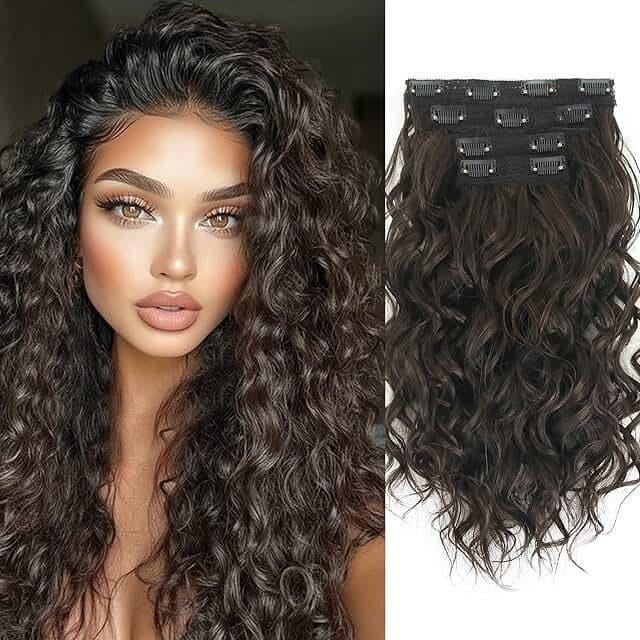
If you spot frizz just before leaving, wet your hands slightly and apply a tiny amount of silicone-based detangler to the fingertips, smoothing the flyaways down. Another quick fix is to mist with water only, smooth, and let it set on a wig stand for 10–20 minutes. For dramatic flyaways around the hairline, a light dab of styling gel applied with a toothbrush can tame edges—use a water-based gel made for synthetic fiber to avoid residue.
Proper storage is a simple, cost-effective way to extend life. Keep the wig on a stand away from direct sunlight and heat sources. If traveling, use a wig box or soft bag and stuff the cap with tissue to protect the shape. Periodically check and replace elastic bands or clips in the cap to maintain fit and reduce strain on the fiber attachment points.
Case A: A long synthetic with sun-damaged ends regained smoothness after a targeted trim plus three gentle washes with diluted fabric softener and a leave-in synthetic conditioner. Case B: Short bob with static responded well to regular finger smoothing with silicone slip and storing on a stand.
When optimizing pages that answer queries like how to fix a frizzy synthetic wig, include clear steps, product recommendations, warnings, and frequency guidance. Use headings (
If knots are severe at the crown or cap damage threatens the wefts, seek a wig professional. They can reweft, restyle, or suggest fiber-specific restoratives. For costly or favorite pieces, professional maintenance can be worth the investment.
Restoring a fuzzy synthetic hairpiece without heat is entirely possible with patient, methodical care: cleanse gently, detangle carefully, apply suitable slip agents, and reshape on a stand. The phrase how to fix a frizzy synthetic wig often leads searchers to heat-based advice; offering a heatless, fiber-safe approach protects your investment while delivering smooth, wearable results. Use the step-by-step methods above and tailor frequency to how often you wear and the environment in which you use the wig.

Note: repeat key phrase how to fix a frizzy synthetic wig within content naturally to maintain relevance for search queries, focus on actionable tips, and balance repetition with synonym variety like "revive synthetic wig fibers," "tame synthetic wig frizz," and "restore synthetic hair shine" to avoid over-optimization while improving discoverability.
