
Expert Guide to Transforming a Hairpiece into a Natural-Feeling Style
Styling a wig or hairpiece can feel intimidating at first, but with the right steps and professional-minded techniques you can achieve a natural, long-lasting result. This comprehensive guide focuses on practical, searchable advice about how to style wig hair for every hair type—from synthetic to human hair—while keeping SEO-friendly structure and real-world usability in mind. Whether you are new to wigs or a seasoned wearer, the tips below are designed to help you create believable parting lines, realistic baby hair, secure attachment, and day-to-day maintenance that preserves shape and texture.
Understanding Foundations: Cap Types, Hair Types, and Tools
Before you attempt any technique, it helps to understand the basics. There are three major factors that affect your approach: cap construction (lace front, full lace, monofilament, wefted), hair material (synthetic, heat-friendly synthetic, human hair), and the tools you'll use (styling brushes, combs, curling irons, heat protectants, wig stands). Learning how to style wig hair effectively starts with matching methods to these variables so you avoid damaging the piece and get a natural finish.
Cap construction and why it matters
- Lace front: Best for realistic hairlines and easy customization of baby hairs and brows.
- Full lace: Allows for versatile parting and updos but requires careful handling.
- Monofilament: Mimics a realistic scalp at the part; ideal for natural parting and multi-directional styling.
- Wefted: Durable and voluminous, great for everyday use but less realistic at the hairline.
Differences in hair material
Human hair offers heat styling, dyeing, and longevity but needs proper care (sulfate-free shampoos, regular conditioning). Synthetic fibers are low-maintenance and hold styles longer, but not all can take heat. Always check the label—some blends are heat-resistant. The phrase how to style wig hair should always consider the fiber type so recommended temperatures and products are safe.
Must-have tools
Essential items include a wide-tooth comb, a boar-bristle brush, a paddle brush, a vent brush, a heat protectant spray for human or heat-friendly synthetics, a clamp or curling iron with adjustable temperature, hair clips, wig stand, styling mousse formulated for wigs, a wig cap, and a detangling spray. Use styling shears only if you are comfortable cutting cap-attached hair or consult a stylist for precision work.
10 Pro Techniques to Make Wigs Look Natural and Last Longer
- Clean and prep the cap: Wash or lightly clean the wig based on manufacturer directions. For synthetic wigs, use a product made for synthetic fibers; for human hair, use gentle, sulfate-free shampoo. Always let the wig dry on a stand to retain shape before styling. Knowing how to style wig hair begins with proper prep.
- Customize the hairline: Use tweezers to carefully pluck a few strands along the lace front to create an imperfect, realistic hairline. Work slowly to avoid over-thinning. For a soft edge, trim the lace close to the skin and use a small amount of concealer or powder to match the scalp tone where needed.
- Create believable parting: If the cap supports it, gently separate the hair to create a natural-looking part. Apply a tiny amount of styling gel or mousse at the root to flatten hair for a clean part. For monofilament caps, use a makeup sponge and foundation to mimic scalp color under the part.
- Work baby hair and wisps: Short, fine strands around the hairline sell the illusion of natural growth. Cut tiny sections with sharp scissors and style them with a toothbrush-sized brush and a dab of gel. Less is more: create a few well-placed wisps rather than many uniform hairs.
- Layer and texturize: Add long layers or face-framing pieces to break up blocky shapes and enhance movement. Use thinning shears or have this step completed by a professional stylist familiar with wig cutting. Texture creates realism and reduces bulk for a more wearable silhouette.
- Heat-style cautiously: If the wig is heat-friendly, set your tool to a lower temperature and use a heat-protectant. For human hair, maintain below 380°F (193°C) when possible and never apply extreme heat to synthetic fibers. When curling, wrap hair around the barrel loosely and hold briefly—this mimics natural wave patterns instead of rigid, overly defined curls.
- Secure without discomfort: Choose between wig tape, adhesive, combs, clips, or a combination. For daily wear, a wig grip or wig band provides non-adhesive security and prevents slipping. Use medical-grade adhesive for long-term hold but follow removal and skin-care steps to avoid irritation.
- Blend with natural hair and edges: If you have hair at the perimeter, carefully blend it with the wig using color-matched styling products and heat tools. For lace fronts, melt the lace with an adhesive and lay edges flat to the skin, then blend with baby hairs. For partial wigs, tuck natural hair into the cap or leave a small amount out to soften transition lines.
- Volume control: Use backcombing near the crown sparingly and smooth with a brush for a lifted yet natural look. For long-lasting volume, try heatless rollers when the wig is cool or use a volumizing fiber spray formulated for wigs. Avoid heavy products that weigh down the fibers.
- Maintenance routine: Rotate wigs when possible to reduce daily wear, wash on a regular but not excessive schedule, store on a stand away from sunlight, and refresh the shape with light steaming rather than repetitive heat. Consistent care extends the life of both synthetic and human-hair pieces.
Styling variations: short, long, curly, and sleek
Different styles need customized methods. For short wigs: use pomade or wax for separation and texture. For long wigs: detangle gently and work in sections to prevent breakage. For curls: revive with a curl-enhancing spray or finger-twist while damp; avoid brushing out curled wigs unless the curl pattern is meant to be looser. For sleek styles: flat-iron human-hair wigs carefully, using small strokes and a protective serum, and preserve shine with lightweight finishing spray.
Color blending and realism
Creating a canvas that matches your complexion and natural hair depth is essential. Use root shading techniques, subtle highlights, or lowlights to mimic the multidimensional look of natural hair. For lace areas, a tiny amount of foundation on the lace can help the scalp blend; for monofilament parts, add a little color under the part with a soft brush. Avoid stark differences—soft gradients appear more believable.
Quick styling routines for busy days
When time is limited, rely on reliable go-to looks: a low ponytail with soft face-framing pieces, a sleek bob brushed under, or a half-up knot. Keep a travel-size comb, smoothing cream, and bobby pins in your bag for quick touch-ups. Learning how to style wig hair into repeatable, fast routines will save time while keeping the appearance convincing.
Common mistakes and how to avoid them
- Over-plucking the hairline—work gradually and step back to assess progress.
- Using too much product—apply small amounts and build up as needed.
- Applying excessive heat—verify fiber tolerance and limit temperature and duration.
- Wearing a wig without proper cleaning—oils and residue shorten lifespan and dull appearance.
To prevent these issues, cultivate a habit of gentle maintenance and frequent checks for wear at the lace and cap attachments.
Advanced Customization: When to See a Professional
If you want a tailor-made, undetectable finish, consider a professional stylist experienced with wigs. They can: reblock the cap for a better fit, thin and reshape the wig with advanced cutting techniques, ventilate new hair at the hairline for ultra-realism, and perform color corrections safely. Professional services are particularly valuable when converting a ready-to-wear piece into a bespoke unit, or when permanent adhesives are used for extended wear. For many wearers, investing in occasional professional adjustments improves confidence and extends the life of the wig.
Daily care checklist
- Use a breathable wig cap to protect natural hair and reduce movement.
- Brush gently from ends to roots to detangle without stressing the knots.
- Store on a mannequin head to maintain shape and avoid creases.
- Refresh roots with a dry shampoo or color-depositing spray if the scalp shows oil.
- Protect from extreme sun exposure and chlorine by wearing a scarf or applying protective sprays.
These small actions compound over time, keeping your investment looking fresh and realistic and reinforcing what you’ve learned about how to style wig hair.
Product recommendations
Look for manufacturers and brands that formulate products specifically for wigs and hairpieces. For human hair: sulfate-free shampoos, deep conditioning masks, and heat protectants with UV filters. For synthetic hair: cleansing solutions and detangling sprays designed to preserve fiber memory and sheen. Styling products labeled “wig-safe” will reduce residue build-up and keep fibers more manageable.
Longevity tips for everyday wear
Rotate between at least two wigs if you wear one daily. That gives each unit time to regain structure between uses. Avoid sleeping in your wig unless it’s explicitly designed for overnight wear, and when removing adhesive, use proper solvents to protect lace and skin. Over time, reconditioning treatments and occasional repairs (retying wefts, replacing hairlines) are more cost-effective than replacement.
Wrap-up: Build a Personal Styling System
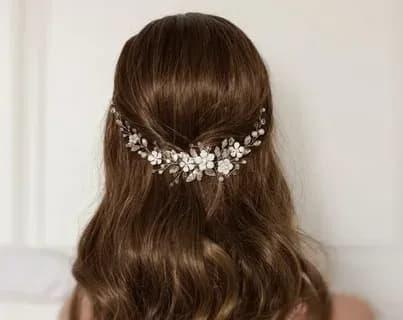
A consistent routine that combines smart preparation, careful heat use, realistic customization, and regular maintenance is the core of achieving a natural and durable look. Practice small techniques—like creating baby hairs, perfecting a part, and choosing the right adhesive system—to build confidence. Over time, you'll develop a personal toolkit of methods that answer the question of how to style wig hair for your lifestyle and desired appearance.

FAQ
Q: How often should I wash my wig?
A: Wash frequency depends on wear and activity level; light daily wear may need washing every 10–15 wears, while active or heavy-product use warrants more frequent cleaning. Always follow the manufacturer's guidance.
Q: Can I use regular hair tools on synthetic wigs?
A: Only if the wig is explicitly labeled as heat-friendly. Otherwise, high heat will melt synthetic fibers. Use low-heat or heatless styling methods for standard synthetics.
Q: What is the best way to make a lace front lay flat?
A: Clean the skin area, apply a thin adhesive or tape, press the lace gently, and use a little concealer to blend. Trimming and creating soft baby hairs also helps the illusion.