Choosing the right wig styles can be a game-changer for your appearance, confidence, and budget. Whether you're exploring temporary color, a new silhouette, or a protective everyday option, understanding the landscape of modern wig styles helps you make smart, flattering choices. This comprehensive guide breaks down twelve on-trend options, explains which face shapes they suit best, compares price points and materials, and offers styling and care advice so your investment lasts.
Wigs today are more advanced than ever: lace fronts, monofilament tops, heat-friendly synthetics, and premium human hair blends are accessible across price ranges. Learning about wig styles empowers you to match texture, length, and cap construction to facial proportions and lifestyle. From low-maintenance pieces for busy routines to couture-ready units for special events, the right wig styles can transform your look in minutes without commitment.
Understanding face geometry is the first step. Oval faces are versatile, round faces benefit from length and layers, square faces soften with waves or curls, heart-shaped faces suit chin-length styles, and long faces work well with volume at the sides. As you consider wig styles, think about part placement, bangs, and layers that create balance. For example, side-swept bangs can shorten a long forehead while layers add softness to angular features.
The blunt bob remains a classic. This wig styles option is versatile: chin-length for heart-shaped faces, jawline grazing for round faces, and longer bobs (lobs) for oval faces. Synthetic versions are often budget-friendly, while human hair bobs provide natural movement. A lace front offers a realistic hairline, and a monofilament top adds parting flexibility.
It looks chic on camera, is easy to style with a flat iron (for heat-friendly fibers), and pairs well with statement earrings. Ideal for professionals and creatives who want a refined appearance with minimal fuss.
Layered shoulder-length wig styles create body and movement. This length suits most face shapes and is a top pick for those seeking balance between manageability and styling options. Layers can frame the face, add a youthful bounce, and reduce bulk for thick-haired looks.
Use a round brush or wide-barrel curling iron for soft waves, or scrunch heat-friendly synthetics for textured finishes. Layers are forgiving if you grow tired of one look and want to change the silhouette later.
Long, tousled waves are a go-to for romantic, lived-in style. These wig styles often come pre-styled in synthetic options or as human hair units for custom curling. Beach waves suit oval and long faces best, adding horizontal width and softening features.
Use gentle detangling sprays and wide-tooth combs to preserve wave patterns. Avoid excessive brushing; refresh waves with a steaming technique or a low-heat wand if the fiber allows heat styling.
Short pixies highlight facial features and create a striking silhouette. These wig styles work well for petite frames and square faces, and they are highly practical for active lifestyles. Synthetic pixies are affordable and easy to maintain, while human hair versions offer more realistic texture.
Minimal styling time, light cap construction, and cooler wear make pixie wigs a popular choice for those prioritizing comfort and convenience.
Big curls and afro-textured wig styles celebrate volume and structure. Choose density and cap sizes that provide breathability. For textured hair, look for units designed specifically for natural curl patterns to avoid mismatched appearance.
Use moisture-rich products and detangle gently from tips upward. Avoid heat unless the wig is human hair or heat-tolerant synthetic fiber.
Asymmetrical wig styles offer an instant contemporary vibe. This look often pairs with undercuts or shaved sides in natural hair, but a wig can provide the asymmetry without commitment. It's excellent for angular faces and those seeking a statement piece.
Balance the bold top with understated makeup to keep the focus on the cut. Layered construction in the cap helps maintain shape and movement.
Curtain bangs paired with a lob are universally flattering. These wig styles can slim a round face or soften a square jawline. Many modern lace-front wigs include pre-cut curtain bangs or can be customized by a stylist.
Start conservatively; bangs can be trimmed gradually to avoid overcutting. Use light texturizing to avoid heavy lines and maintain a natural flow into the rest of the hair.
Long, pin-straight wigs with a lace front give a polished, luxe look. These wig styles are perfect for formal events and portraits because of their luminous appearance. Human hair and high-grade heat-friendly synthetics are best if you want a flawless finish.
Use anti-frizz serums sparingly and protect against friction from collars. Store straight wigs on a stand to preserve the silhouette.
Monofilament tops are a construction detail rather than a silhouette, but they transform how natural any of the wig styles appear. A monofilament top mimics a realistic scalp, allowing multi-directional parting and soft, barely-there roots.
If you frequently change partings or need a natural-looking scalp for photography, a monofilament top is worth the extra cost.
Color experimentation is one of the most freeing aspects of modern wig styles. From pastel pinks to balayage brunettes, synthetic wigs offer bold hues at lower cost while human hair allows long-term dyeing and color correction.
Start with synthetic pieces for seasonal fun; upgrade to human hair for staple colors you wear often. Use color-safe products and minimize direct sun exposure to preserve vibrancy.
Short tapered wigs emphasize cheekbones and jawlines. These wig styles can be tailored to accentuate feminine or androgynous aesthetics. They pair well with bold brows and minimalist accessories.
Because of their close-cropped nature, tapered wigs often require less brushing but benefit from occasional shaping by a stylist to maintain clean lines.
Halo and headband constructions are increasingly popular for those seeking easy application and comfort. These wig styles are often lighter and allow for a more breathable fit, ideal for warmer climates or long wear.
They require minimal adhesives, are beginner-friendly, and provide a secure feel without heavy glue. Choose headband textures that match your outfit or skin tone for a seamless finish.
Understanding materials is essential when evaluating wig styles. Synthetic wigs are cost-effective, come pre-styled, and hold shape in humid conditions, but they can be less durable and sensitive to heat unless labeled heat-friendly. Human hair wigs offer unmatched realism, styling versatility, and longevity with proper care, but they come at a higher initial cost and require more maintenance.
Blended fibers combine affordability with natural movement. Remy human hair preserves hair cuticle alignment, resulting in smoother strands and less tangling — a premium choice that elevates any of the wig styles in this list.
Lace front, full lace, monofilament, and basic caps each influence comfort and realism. Lace front caps create natural hairlines ideal for off-the-face styles, while full lace allows for more complex parting and updos. A well-fitted cap prevents slippage and improves overall aesthetics of wig styles.
Measure circumference, ear-to-ear, and front-to-nape for a secure fit. Custom sizing and internal adjusters help maintain stability without excessive tension. Many stylists can ventilate lace or re-style bangs to optimize fit and personalization.
When shopping for wig styles, set a budget range based on frequency of wear and desired realism. Entry-level synthetics can be under $50, mid-range heat-friendly synthetics or blended units often fall between $70–$200, while human hair wigs can range from $200 to several thousand dollars depending on origin and density. Allocate spending: invest more in cap construction and fit than on novelty colors if you plan everyday wear.
Save on synthetic fashion pieces for trend experiments; splurge on monofilament tops or remy human hair for staple looks you’ll wear often. Consider second-hand marketplaces for gently used human hair wigs to stretch your budget without sacrificing quality.
For synthetic wigs, wash sparingly and use products formulated for synthetic fibers. For human hair, treat as you would natural locks: sulfate-free shampoos, deep conditioning, and heat protection when styling. Always detangle gently, starting from the ends.
Swap partings, add a headband or scarf, clip in faux bangs, or switch caps for a different contour. Small accessories can redefine a wig from casual to dressy in minutes. Layering lightweight clips or hair jewelry instantly upgrades wig styles for events.
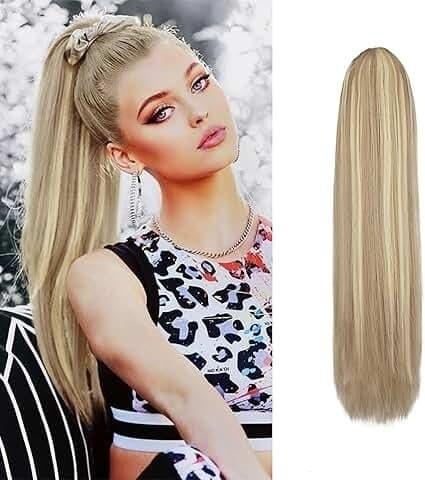
When blending a wig with your hairline, use makeup or an eyebrow pencil to create the illusion of natural roots at the part. For lace fronts, tintable lace and strategic baby hair application increase realism.
Look for experienced wig stylists with portfolios and positive reviews. A consultation can help match face shape, lifestyle, and budget to the best wig styles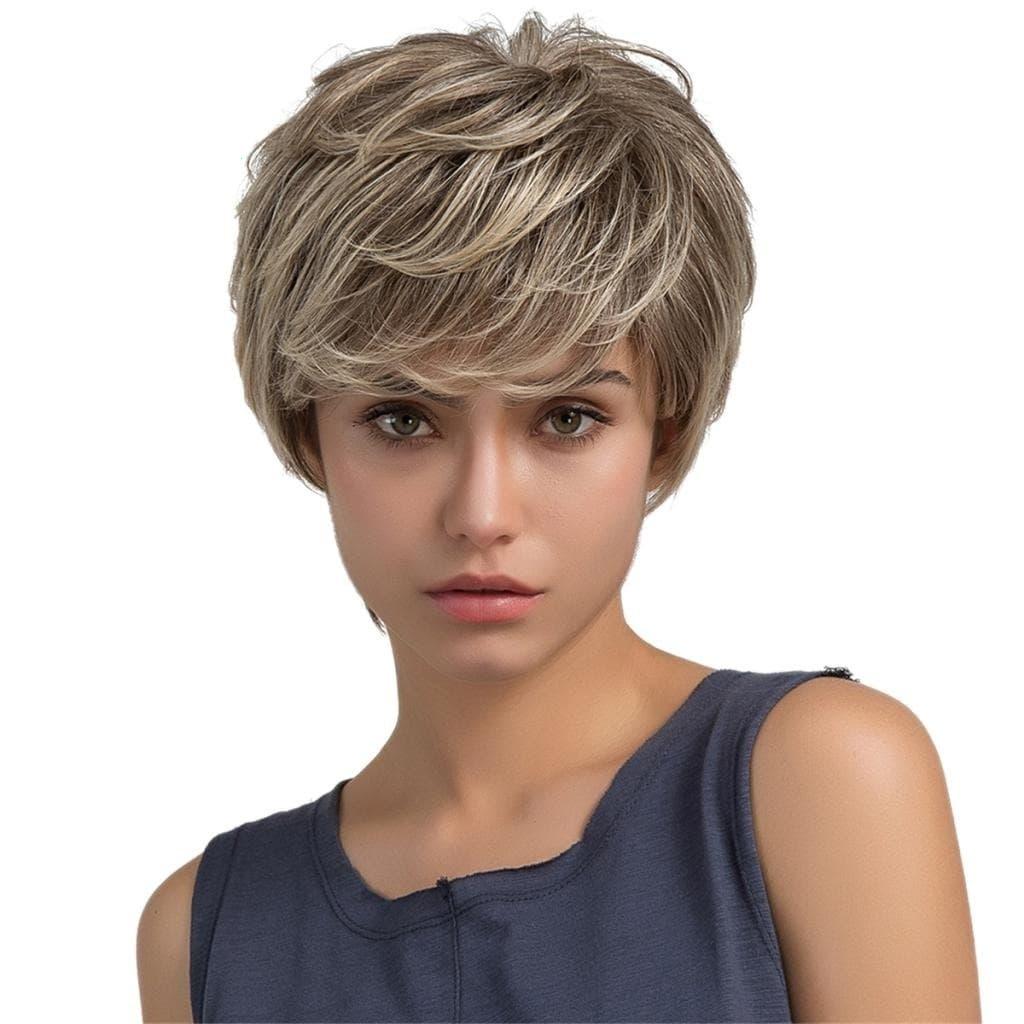 . Many reputable retailers offer return policies and virtual try-on tools to ease selection.
Ask about cap construction, fiber type, heat tolerance, and customization options. Request clear photos from multiple angles and inquire about maintenance recommendations specific to the unit you’re considering.
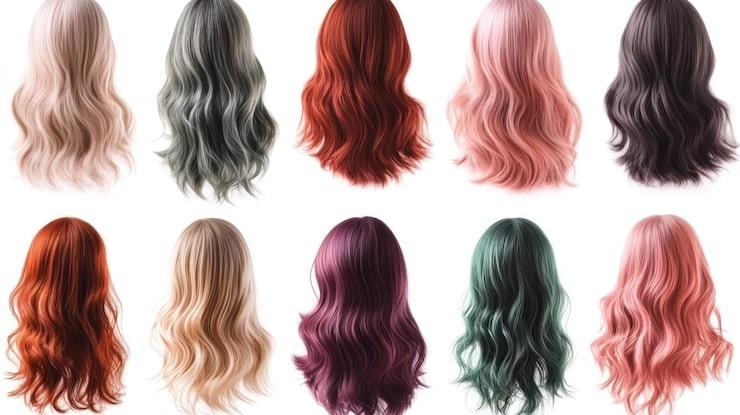
Choose breathable caps and lighter fibers for summer; switch to thicker densities or lined caps for warmth in colder months. Having one go-to human hair unit and a few playful synthetic wig styles lets you shift with trends and weather without breaking the bank.
Pack wigs on a foam head or in a satin-lined case, and use light hairspray or netting to preserve shape during transit. A second travel wig can be a lightweight synthetic for convenience.
Consider ethical sourcing and manufacturing practices when investing in higher-end wig styles. Some brands offer traceable remy hair, while others commit to eco-friendly packaging and cruelty-free production. Choosing longer-lasting human hair units can reduce waste compared to frequently replacing cheaper synthetics.
Donate gently used wigs to charities or organizations that support cancer patients and those in need. Some brands also accept returns for recycling programs — a good option to explore.
Choosing the right wig stylesis less about chasing trends and more about finding a silhouette, color, and construction that align with your face and your life. Thoughtful selection plus proper care will keep any piece looking fresh and flattering for seasons to come.
When shopping among diverse wig styles, prioritize cap comfort and lifelike hairline construction. These two factors influence realism and wearability more than any single silhouette.
By exploring these twelve popular looks and learning the pros and cons of materials and cap types, you can confidently select wig styles that flatter your face and fit your budget while staying current with trends and practical care routines.
