Short answer: yes, in many cases you can use hairspray on a wig, but not all hairsprays are created equal and not every wig fiber reacts the same way. This detailed guide explains when it's safe, which products to choose, how to apply them like a professional, and the most common mistakes to avoid. The goal is to help you keep a natural look, maintain fiber integrity and extend the life of your wig while getting the hold and finish you want. Read on for expert tips, step-by-step techniques, and troubleshooting strategies for both human hair and synthetic wigs.
Before applying any product, identify what you're working with. Wigs generally fall into two categories: human hair and synthetic fibers. Human hair wigs behave much like natural hair: they tolerate many traditional styling products (including most standard hairsprays), heat styling, and color treatments, although they still require gentle care. Synthetic wigs are made from polymers that can react differently to chemicals and heat; some modern heat-friendly synthetics accept hot tools and styling products, while older or lower-quality fibers can melt, stiffen, or lose their sheen.
Hairsprays create a thin film over hair fibers to provide hold, humidity resistance and shine control. Different formulas use different polymers and solvents. Alcohol-based sprays evaporate quickly and give strong hold but can dry human hair and make synthetic fibers brittle. Water-based and polymer blends tend to be gentler and are often a better choice for wigs. Look for products labeled non-sticky, lightweight or flexible-hold if you want natural movement.
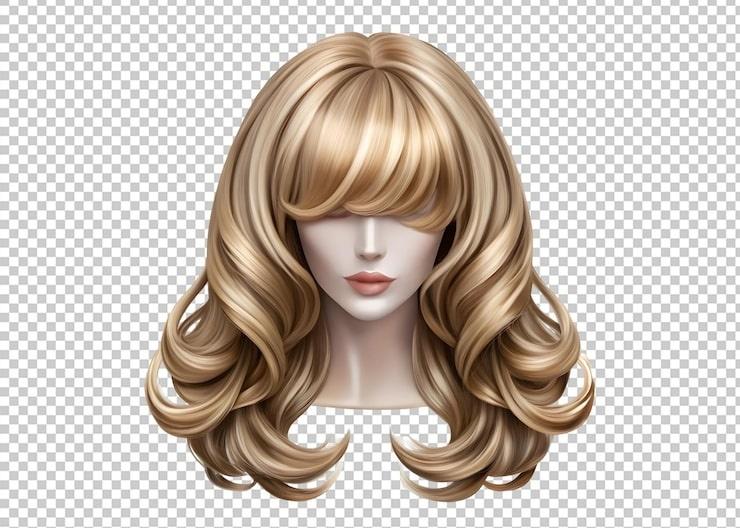 : Formulated especially for both human and synthetic wigs; these are usually the safest choice and often include conditioning agents that maintain fiber texture.
 : Essential when heat styling human hair wigs or heat-friendly synthetic wigs.
Preparation is critical. Use a wig stand or mannequin head to ensure even application and to avoid product pooling. Work in a well-ventilated area and keep sprays away from open flame. Before full application, perform a patch test on an inconspicuous area to check for color change, stiffness, or fiber reaction. Spray a small amount from the recommended distance and wait 10–15 minutes to evaluate the result.
The following method works for most human hair wigs and many heat-friendly synthetics; adapt based on the product label and your patch-test result.

Pro stylists recommend the following techniques: always build hold gradually; use a paddle or vent brush sparingly to prevent frizzing synthetic fibers; use specialized products to refresh synthetic wigs (e.g., wig shine sprays with conditioning agents); avoid aerosol overload — for heavy hold consider using a styling mousse first then a light finishing spray. For human hair wigs, deep condition periodically to counteract drying effects of frequent hairspray use.
Pro tip: less is more — applying many light mists yields a more natural look and less product build-up than one heavy spray.
Heat and hairspray can interact unpredictably. Some hairsprays contain polymers that become solidified under heat, which can harden the fibers if applied before hot tools. When heat styling, it's usually best to use a heat protectant before any spray, or to apply setting spray only after the hair has cooled. On synthetic wigs, never use a curling iron or straightener unless the wig is explicitly labeled heat-resistant.
Many wig wearers unintentionally damage fibers through a few repeated errors. The most common mistakes include:
Product buildup is reversible if you act carefully. For human hair wigs use a gentle clarifying shampoo followed by a deep conditioning mask. For synthetic wigs use a wig-specific shampoo and conditioning solution; do not use hot water or heavy conditioners that deposit oils and weigh fibers down. Work in cold to lukewarm water, detangle gently, and air dry on a wig stand. Occasionally a gentle vinegar rinse (mix 1–2 tablespoons white vinegar in a liter of water) can dissolve residue; rinse thoroughly afterward.
Establish a maintenance routine that includes regular washing based on wear frequency (e.g., every 10–15 wears for synthetic, every 7–10 for human hair depending on product use), minimal product application, and storage on a breathable wig stand or in a net cap and box to preserve shape. Rotate between wigs if you wear them daily to reduce continuous exposure to product buildup and environmental stressors.
There are times when you should avoid putting hairspray on a wig altogether: if the wig is low-quality synthetic that hasn't been tested for product exposure, if the manufacturer explicitly warns against aerosol products, or if the wig is wet or poorly ventilated during application. Avoid sprays on lace glue areas or directly on lace fronts as many sprays contain solvents that can weaken adhesive bonds.
If you're concerned about standard hairsprays, consider these alternatives: wig setting sprays designed specifically for synthetic fibers, light styling mousses formulated for wigs, or flexible-hold serums that tame frizz without heavy film. For polished styles, many stylists use a combination of wig glue/tape for lace front security and a light finishing spray only on the visible fibers.
Aerosol hairsprays are flammable and should be stored away from heat sources. Use in well-ventilated areas to minimize inhalation of volatile compounds. If you have sensitivities or respiratory conditions, choose low-VOC or fragrance-free formulations, or use pump sprays and non-aerosol alternatives when possible.
If the wig feels sticky or crunchy after spraying, gently brush with a wide-tooth comb and apply a small amount of wig conditioner followed by a careful rinse for synthetic fibers. For human hair wigs, use a clarifying shampoo and deep conditioner to remove residue. If the spray has discolored fibers, stop using that product and test alternatives; some pigments in sprays can interact with dyed hair.
Use hairspray sparingly as part of a styling session: a little for setting a style, rather than a daily habit. Frequent heavy spraying will accelerate the need for washing and may require more intensive conditioning or earlier replacement. Aim to refresh styles with minimal product and occasional touch-ups using a lightweight, wig-safe finishing spray.
For major restyling (cutting, color correction, or complex updos), take human hair wigs to a professional wig stylist. At-home hairspray application is best reserved for shaping and finishing rather than dramatic rework.
The short practical answer remains: you can use hairspray on many wigs, but the key to success is choosing the right product, testing first, and applying it thoughtfully. With the right approach you can achieve salon-quality hold and finish without compromising the look or lifespan of your wig. Prioritize wig-safe products, perform patch tests, and adopt a gentle maintenance routine to keep fibers soft, shiny and resilient.
Answer: Some hairsprays will damage synthetic fibers — particularly solvent-heavy or oil-based formulas. Use wig-specific or lightweight water-based sprays and always patch-test a small area first.
Q2: Can I use hairspray on a lace front wig?Answer: You can, but avoid spraying directly onto the lace or adhesive. Mist from a distance onto the hair fibers only and let the product dry completely before handling the lace.
 Q3: How do I remove hairspray buildup from my wig?
Answer: For human hair wigs, use a clarifying shampoo followed by a deep conditioner. For synthetic wigs use wig shampoo and a light vinegar rinse if needed, always rinsing thoroughly with cool water.
