Unlocking professional knowledge about lace systems often starts with a simple search query such as what is a 360 lace frontal wig, but the topic goes far beyond a definition. This comprehensive resource dives into the anatomy, benefits, selection criteria, installation techniques, styling strategies and long-term care tips for 360 lace frontal units, helping both beginners and seasoned wig wearers make informed choices and achieve polished, natural-looking results.
At its core, a 360 lace frontal wig is a wig construction that features a full lace perimeter—about 360 degrees around the head—allowing a realistic hairline and the flexibility to style the hair into high ponytails, updos and deep parting without revealing tracks. For those asking what is a 360 lace frontal wig, think of it as a hybrid between a lace frontal and a full lace wig: the lace surrounds the entire circumference while the central base can be reinforced or made with a breathable cap material for durability and comfort.
There are several strategic reasons to select a 360 frontal over other wig types. First, versatility: because lace wraps the entire perimeter, you can confidently wear the hair in high ponytails, top knots, and sculpted updos. Second, realism: when professionally installed and properly plucked or ventilated, the hairline appears undetectable. Third, longevity: many 360 frontals are designed for long-term wear with secure attachments like sew-ins combined with glue or band methods that extend wear time. Finally, comfort: modern cap constructions aim for breathable, lightweight feel even when hair density is high.
Consider this option if you want maximum styling freedom, often change hairstyles, need a seamless hairline for professional or performance contexts, or plan to wear your unit for weeks at a time. It’s particularly valuable for those who like to vary parting positions or show the nape area.
Accurate measurements matter. Measure from temple to temple across the hairline, around the nape, and over the crown. Many 360s can be adjusted with straps, but an ill-fitting cap causes tension, slippage or unnatural lifts at the hairline.
Installation methods influence appearance, longevity and scalp health. Below are commonly used approaches with professional tips.
Procedure: cornrow the natural hair, sew the cap onto the braids starting at the nape and finish securing the lace perimeter via adhesive or elastic band. Advantages: very secure, long-lasting, good for heavy densities. Pro tips: avoid too-tight braids to prevent traction; leave a small edge of hair or a baby hair line for blending if desired; apply adhesive carefully along the perimeter if you want a super-flat finish.
Procedure: clean the skin, apply a thin layer of lace adhesive or tape along the hairline and nape, press lace down and seal. Advantages: ultra-natural look; allows for scalp-like parting. Pro tips: use medical-grade adhesive for sensitive skin, perform patch tests, and use adhesive remover to avoid damage. Replace adhesives after recommended wear time to maintain scalp health.
Procedure: sew an elastic band to the inner cap and adjust tightness to secure the unit without glue. Advantages: minimal adhesive, easier removal, comfortable for long wear. Pro tips: combine with discreet pins at strategic points for added security during high-movement activities.
Most professionals recommend trimming excess lace carefully, bleaching knots selectively (if using human hair and comfortable with chemical processes), and performing plucking or ventilating to mimic natural hair density at the hairline. Create baby hairs by trimming shorter lengths and lay them flat with light holding gel to avoid an over-processed look. When asking what is a 360 lace frontal wig you’ll also want to know the finishing steps that make the biggest visual difference: lace tinting and scalp-color powdering can remove the visible edge and match the wearer's skin tone.
Use small, curved scissors, hold the lace taut and cut in small sections close to the hairline; do not rush—uneven cuts create jagged edges that lift. Leave a very small margin of lace to allow for adhesive application.
One of the greatest appeals of a 360 perimeter is styling flexibility. Here are techniques that professionals use to create polished looks.
Brush hair gently, gather into a ponytail at the desired height, wrap a small section of hair around the base to conceal bands, and secure with pins. To keep the perimeter flat, add a light gel along the hairline and smooth down. For very sleek looks, use a small toothed comb to smooth hair and finish with a shine spray.
Apply concealer or scalp powder along your chosen part after placing the unit. Use a small brush to blend combed hair into the part and lightly mist with spray for hold. If the center cap is lace, you can change the part frequently; if it’s wefted, plan your preferred part early.
Human hair 360 frontals accept heated tools, but always use a heat protectant to prevent dryness and split ends. For curly or textured units, preserve curl pattern by using moderate heat and refreshing curls with water-based curl creams.
Proper upkeep extends the life of your 360 frontal and keeps it looking natural. Follow these guidelines:
 detangle gently from ends to roots with a wide-tooth comb.
If the lace lifts, reapply adhesive or have a stylist re-sew the perimeter. For thinning areas, a professional can re-ventilate new strands or fill with matching lace extensions to restore density.
When learning what is a 360 lace frontal wig, be aware of common mistakes: over-plucking hairlines, applying too much adhesive, choosing a lace shade that doesn’t match your skin, or selecting an overly heavy density for everyday wear. Avoid permanent glue application for extended periods unless guided by a professional, and don’t neglect the natural hair under the cap—properly braided and moisturized, natural hair provides the best foundation.
Price often reflects hair quality, lace type and cap construction. Invest in higher-quality frontals for daily wear or for looks that require frequent styling; lower-cost units are great for experimentation, fashion shoots, or short-term use.
Understanding vocabulary helps you choose the right product. Terms include: frontal (typically 13x4 or 13x6 at the front), closure (smaller lace piece for the crown), full lace (lace cap across the entire top), and 360 frontal (lace perimeter around the head). Knowing these distinctions helps when comparing product listings and reading reviews.
When shopping, use this checklist to compare options quickly:
- Is the lace type HD, Swiss, or regular?
- What is the hair type: virgin, Remy, processed?
- What density is offered and is it adjustable?
- Are there size guides and return policies?
- Does the vendor provide high-resolution photos of the hairline and inside cap?
Look for vendors who disclose sourcing and processing methods. Ethically sourced hair and transparent businesses are more likely to provide consistent quality and better customer support.
Costs vary widely: synthetic 360s can be affordable, while high-end virgin human hair 360 frontals are a significant investment. With proper care and professional installation, high-quality human hair units can last many months to years, while synthetic units typically have a shorter lifespan.
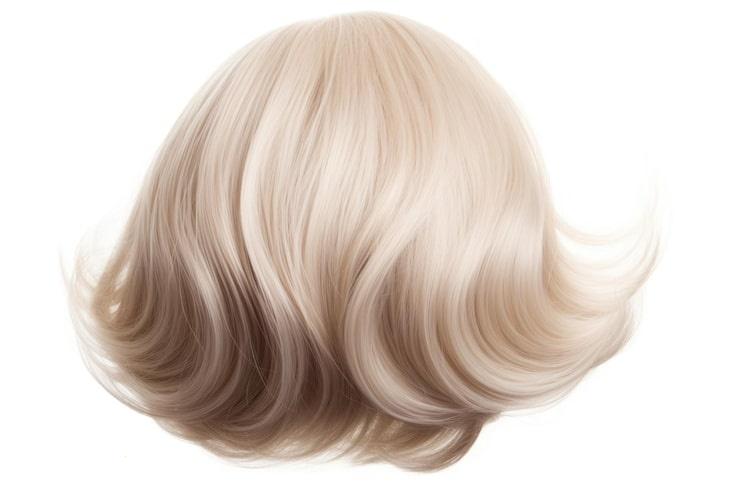
Always perform a trial installation if possible, or consult with a reputable stylist for custom fitting and finishing. Small touches make a big difference: a light tint on the lace perimeter, realistic baby hairs, and matte powders to recreate scalp texture will elevate the final result and answer the practical component of what is a 360 lace frontal wig—a highly versatile hair system that, when handled correctly, delivers unmatched styling freedom and a natural aesthetic.
Essentials include a lace adhesive kit, gentle sulfate-free shampoo, nourishing leave-in conditioner, heat protectant spray, wide-tooth comb, wig stand and a soft bristle brush. For installations: medical adhesive remover, precision scissors, edge control gel, and securing elastics or bands are invaluable.
Professional plucking, bleaching (if desired), customized cap adjustments and sealing treatments can transform a ready-made unit into a bespoke hairpiece. Booking a consultation ensures your scalp health and aesthetic goals align.
Longevity depends on hair quality and care: a high-quality human hair 360 frontal with proper maintenance and occasional professional refreshes can last several months to a year or more; synthetic units typically last a few months with regular wear.
Yes, but take precautions: secure the perimeter tightly, use a swim cap when possible, and rinse and condition the unit after exposure to chlorine or saltwater. For workouts, consider a tighter fit or additional pins for security.


Properly installed 360 frontals by experienced stylists minimize discomfort and avoid damage. Avoid overly tight braids and give your natural hair periodic breaks.
Human hair 360 frontals can be dyed or bleached, but this requires skill—consider professional coloring to prevent damage and maintain consistent tone and texture.
By combining knowledge of materials, fit and professional technique, you can confidently select and wear a 360 lace frontal that meets your aesthetic goals and practical needs.
